Force majeure, i.e. the diplomatic knockout of Kuwait Petroleum Corp
The situation in the Middle East defines the price of oil, so any information coming from the region shakes charts on the London and New York exchanges. In the oil market, the term “force majeure” (force majeure), is the equivalent of throwing a towel in the ring.
State-owned giant Kuwait Petroleum Corp. (KPC) informed its customers that it is unable to fulfill its contracts. This is another such declaration in recent times.
Although the first such information struck markets at the beginning of March, this current one is the equivalent of heavy artillery. The document that Bloomberg reporters reached indicates that the situation has completely spiraled out of control.
For investors this is a clear signal that oil prices will soon again hit new records. Kuwait is not a minor oil supplier – it is one of OPEC’s pillars, whose stability has so far been unshaken.
When one of the main oil suppliers officially admits that “force majeure” prevents it from delivering the contracted amount of barrels, panic begins, which drives oil prices up. KPC openly communicates that even if logistical complications end even tomorrow, returning to pre‑war productivity will take many months.
See also: Impasse in the Middle East hits fuel prices. Will there soon be a drop to $40 per barrel?
History likes to repeat itself – the 90s and infrastructure in ruins
The current crisis in the Middle East and recent reports from KPC clearly show how deeply Kuwait has regressed over the past months.
Oil production levels in Kuwait resemble those of the early 90s, when the consequences of the Gulf War were felt across the energy market. Today Kuwait again struggles with the consequences of wartime actions.
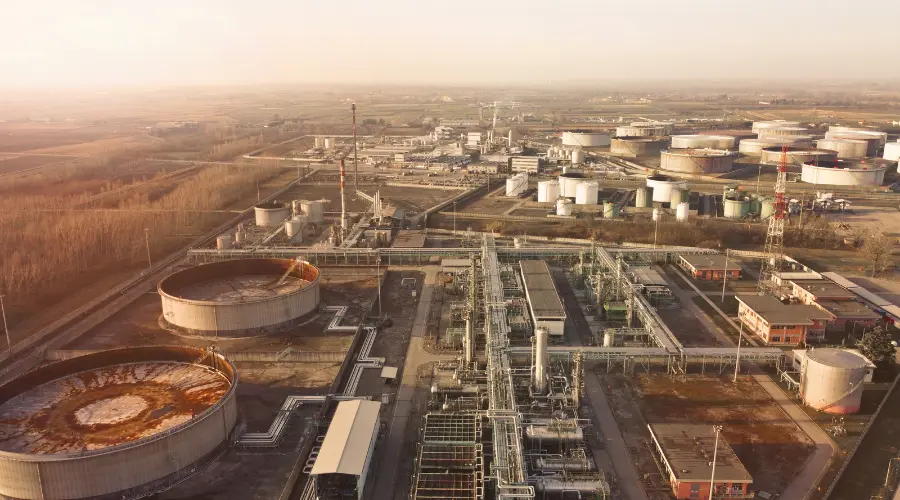
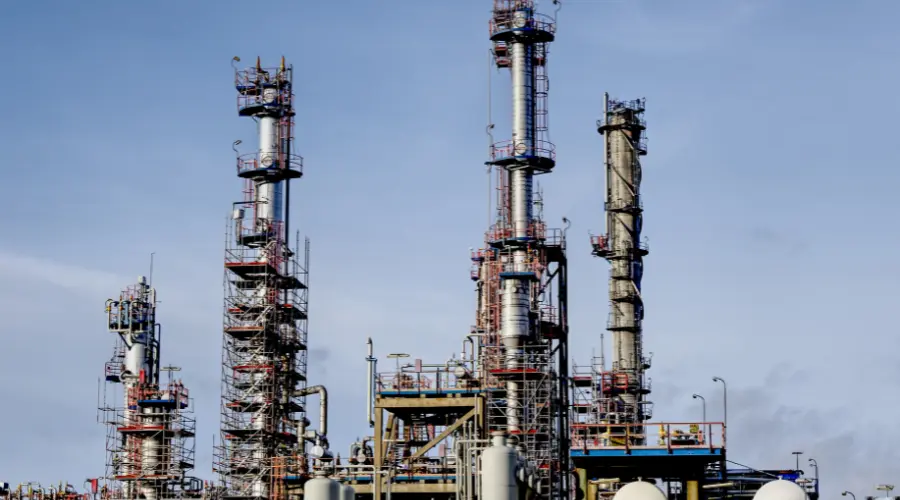
The country’s oil infrastructure received a series of painful blows, because attacks on refineries, terminals and the blockade of the Strait of Hormuz are not only lost capital but above all time that the market does not have.
The damage is so severe that restoring pre‑war processing capacity will take a considerable amount of time. It might seem that in the age of AI and modern technology it would be an easier task, but AI cannot physically build new pipelines and drilling towers in one night.
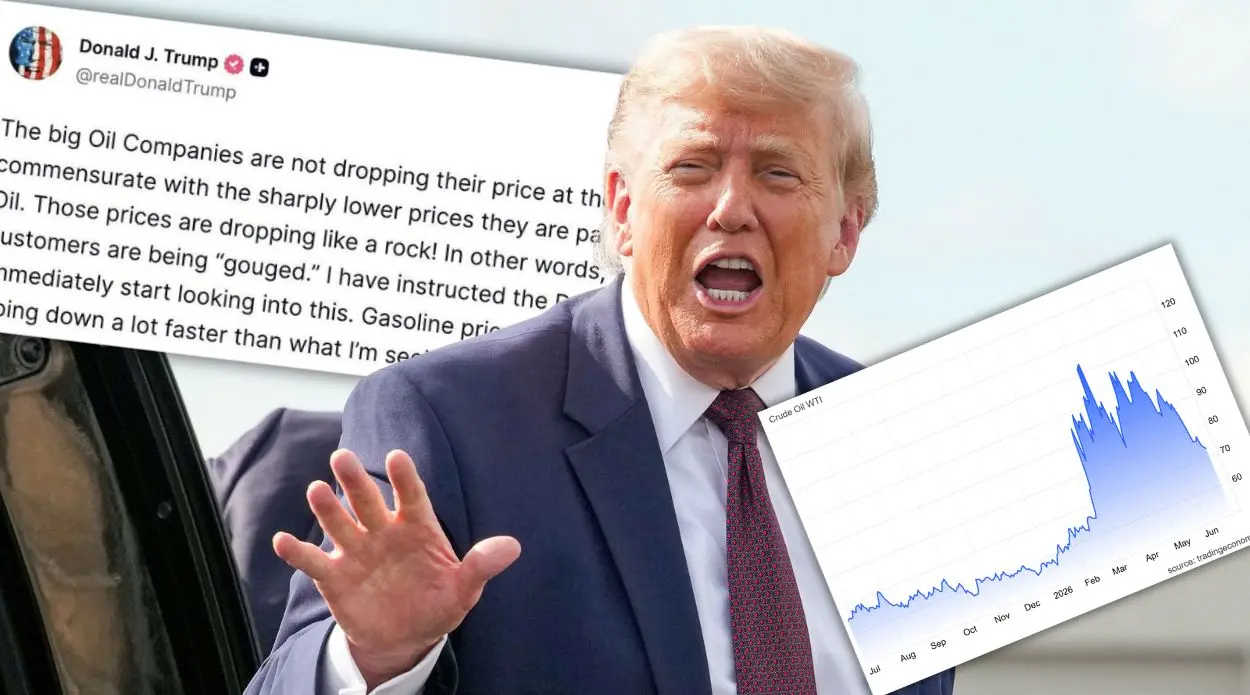
See also: Turnaround in the oil market. The price spike is not a problem? “Well, they’re not too high,” Trump convinces
Trump, the end of the truce and the price of oil
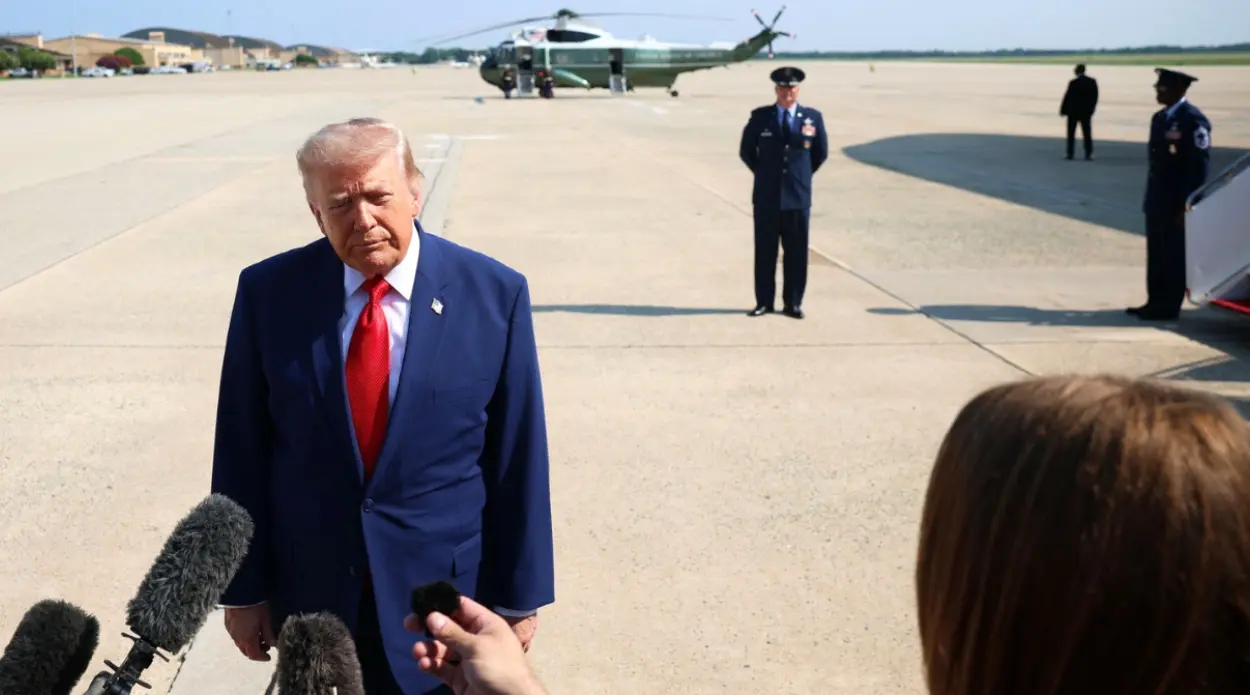
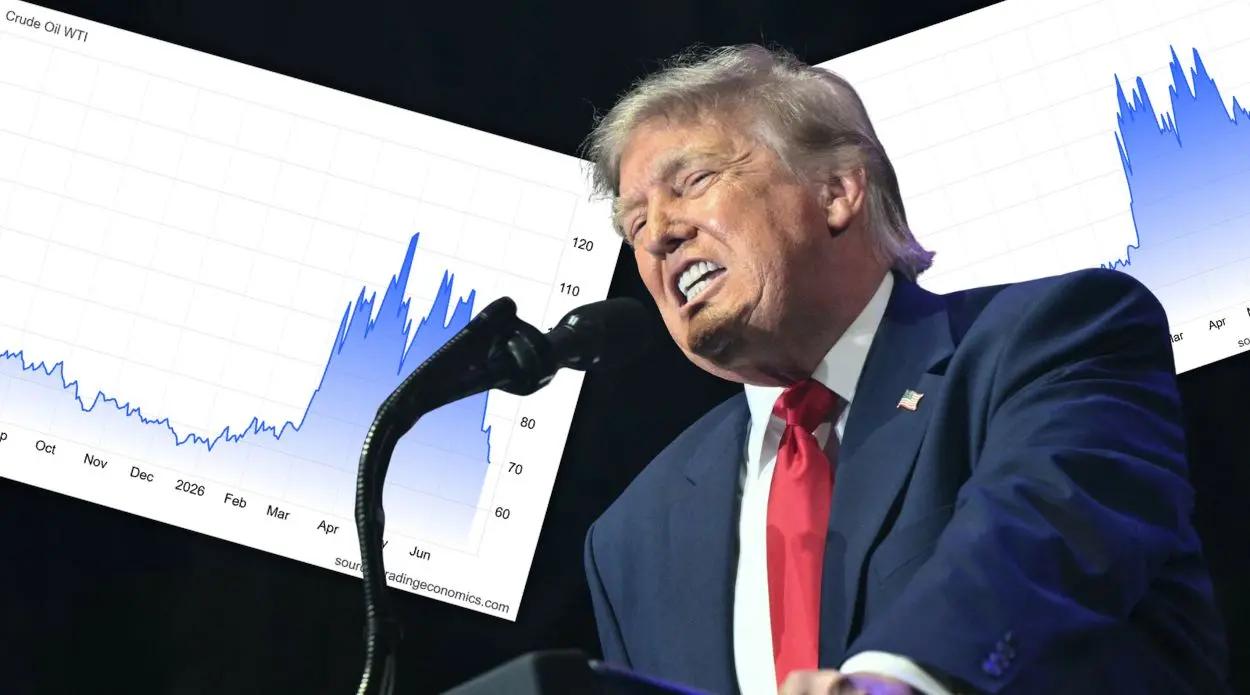
President Donald Trump on Monday, April 20, shattered all hopes for quick peace. He announced that extending the two‑week weapons suspension (during which there were already many incidents), which expires Wednesday evening (Washington time) is unlikely. Trump plays sharply and bets on the negotiation move “all‑or‑nothing”, which forces negotiators to yield and sign an agreement in express mode.
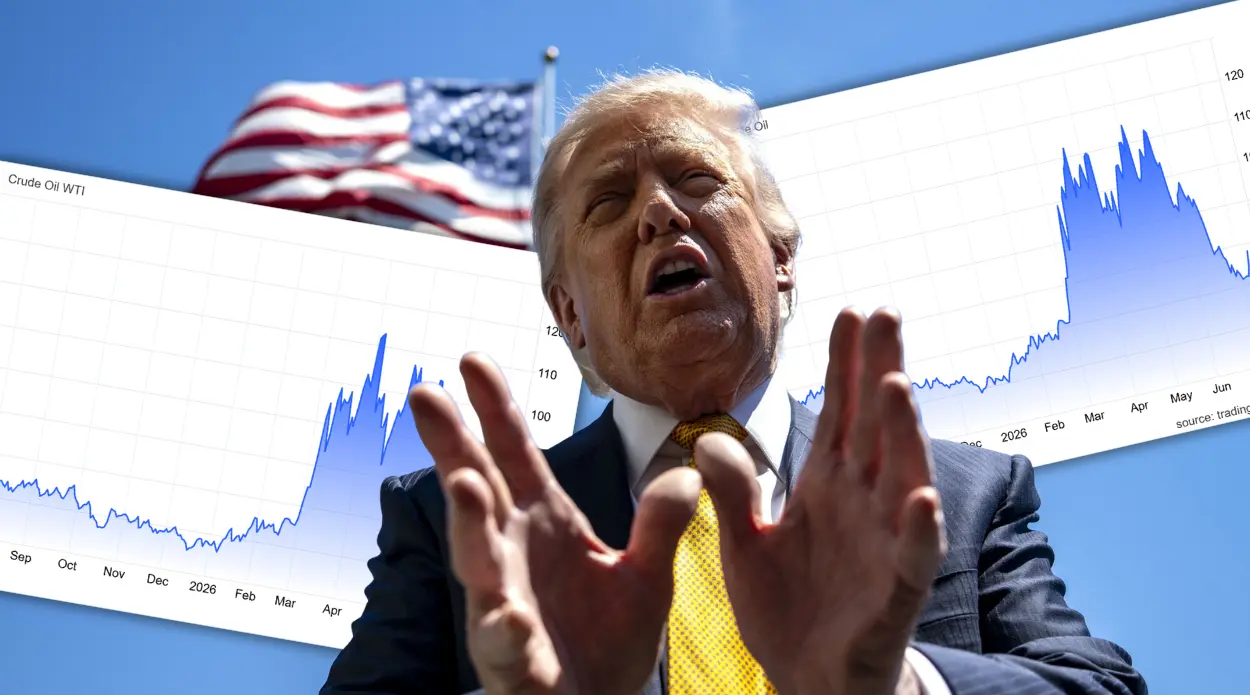
Chart. Brent futures contract price

Source: Trading Economics
For investors this is a “sell or pray” type of information, because if the truce actually ends, the Strait of Hormuz will be completely blocked, the risk of infrastructure strikes rises exponentially. The market is already preparing for a scenario in which the oil price breaks further price barriers. Currently, on April 21, Brent oil price is $94. Meanwhile WTI oil price is $86. If negotiations fail, the oil price could spike sharply from Wednesday.
Chart. WTI futures contract price

Source: Trading Economics
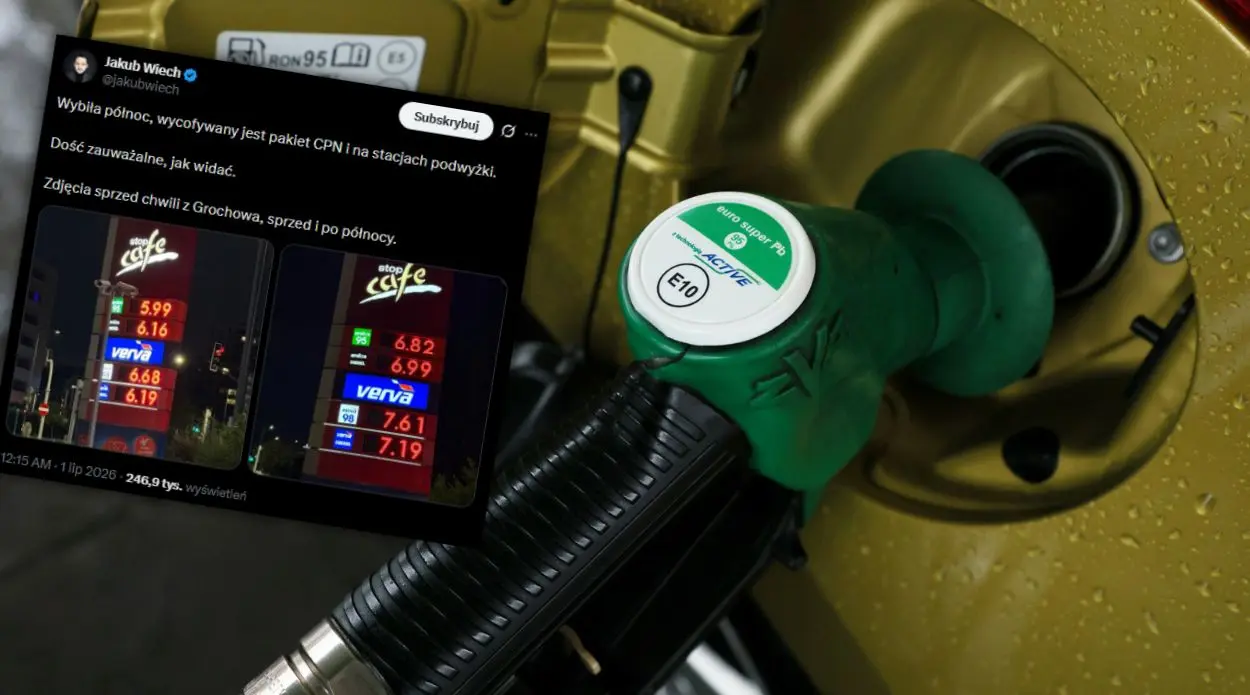
See also: Fuel prices in Poland will rise, will there be shortages at stations? Expert: “It will not be a one‑off sharp move that will affect drivers”