Nazdrowne events around the Strait of Hormuz on Sunday resembled a good, high-budget thriller, but the real consequences will be borne by the whole world.
A precise strike by the USS Spruance and “drilling a hole in the engine room”
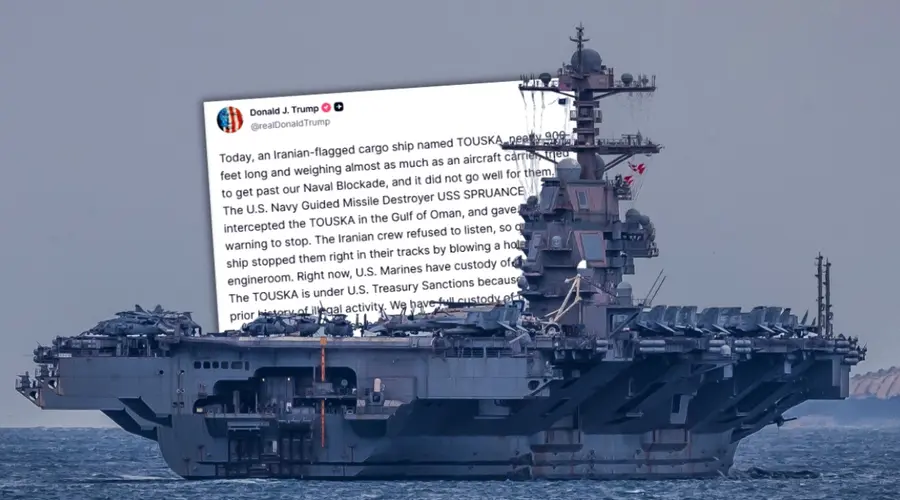
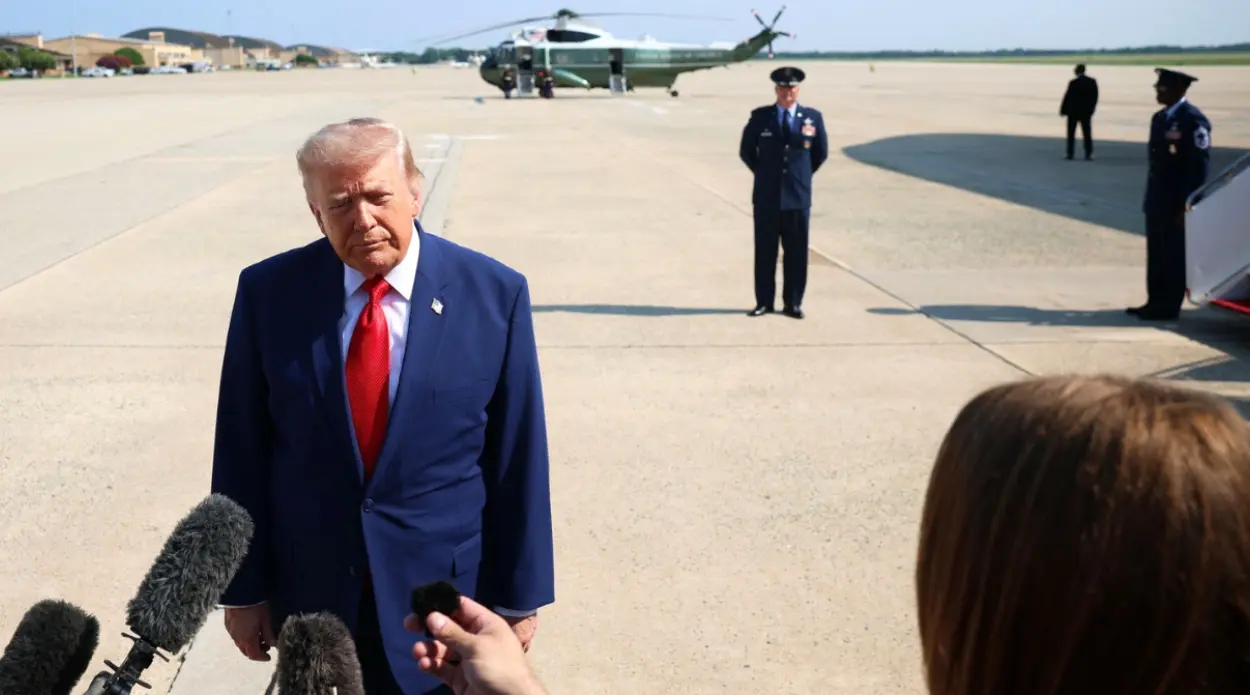
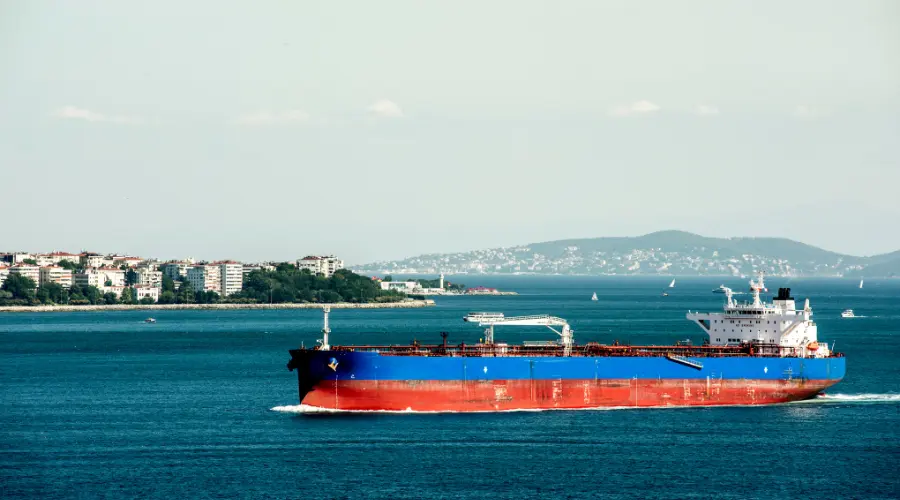
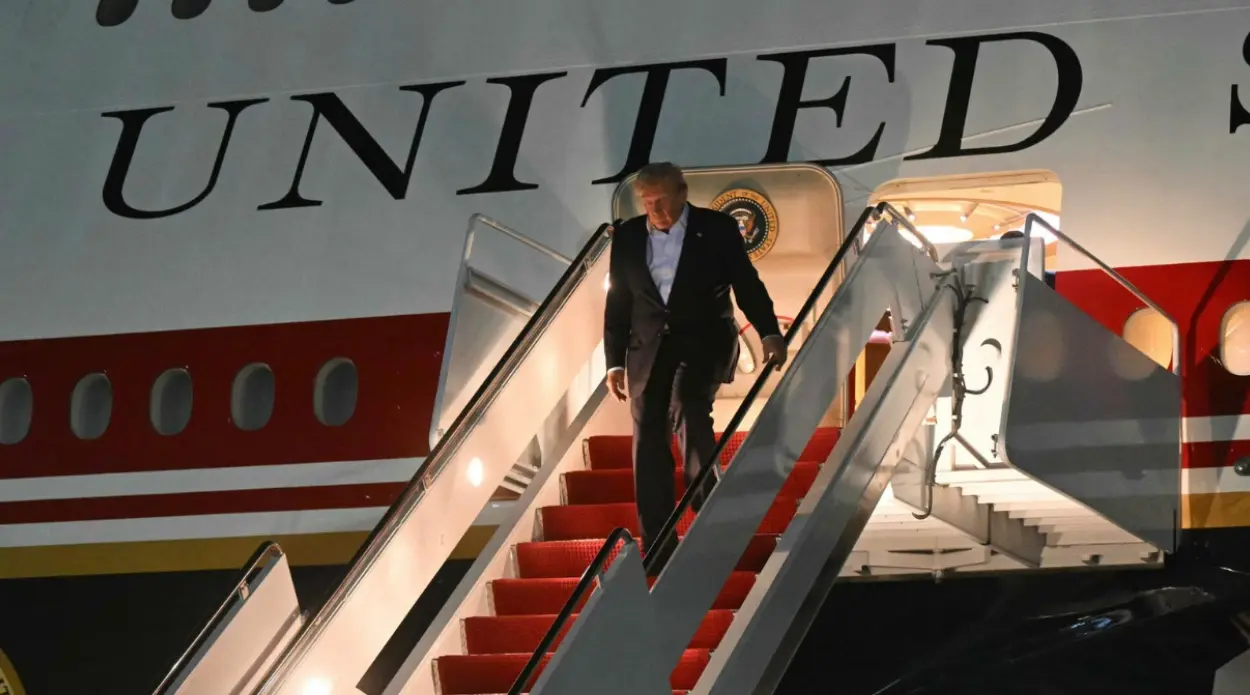
Donald Trump posted on Truth Social, confirming that the missile destroyer USS Spruance (Arleigh Burke class) seized the Iranian cargo ship Totka.
The boarding took place in the strategic waters of the Oman Gulf. Importantly, these are not just empty reports, as the U.S. command Central Command (CENTCOM) released a video in which the radio warning “We are ready to fire disabling shots” is clearly audible.
The standoff lasted over 6 hours, during which the crew of the Totka refused to comply with the stop order.
After a 6‑hour ultimatum, the U.S. Navy moved from words to action. Trump emphasized in his post that the USS Spruance “stopped them in place, drilling a hole in the engine room.”
The Totka was immobilized using a 5‑inch MK gun.
The Americans had previously warned the Iranian crew to evacuate the threatened area. At the moment the ship is under full control of U.S. Marines. The Totka is not a randomly seized vessel; it has long been on the U.S. Treasury Department’s sanctions list.
The seizure of the Totka is only the tip of the geopolitical escalation iceberg in the Strait of Hormuz. It has been over a week since the United States imposed a full‑scale blockade of Iranian ports.
The plan is simple – completely cut Tehran off from export revenue. The situation worsened on Sunday morning when Iran fired on two commercial ships (Indian) attempting to cross the strait.
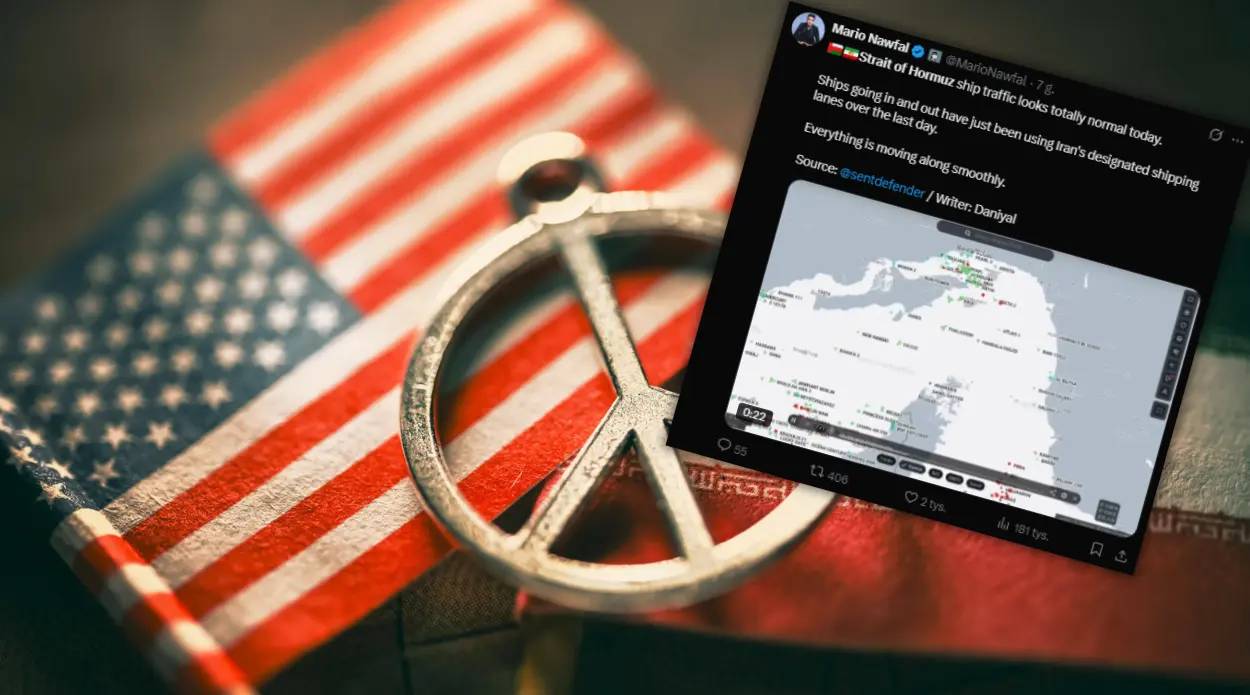
Interestingly, on Friday, April 17, the world heard that Iran had opened the Strait of Hormuz, but two days later everything returned to the escalation ladder.
The tightening situation has caused Trump to again threaten Tehran’s authorities. Either Tehran returns to talks and unlocks the strategic strait, or it will be “completely destroyed.”
Read also: Suspicious transactions in the oil market. Insider traders earned billions. “A terrifying example of market manipulation.”

Source: VesselFinder
See also: The standoff in the Middle East hits fuel prices. Will a drop to $40 per barrel soon?
Brent and WTI oil prices rise
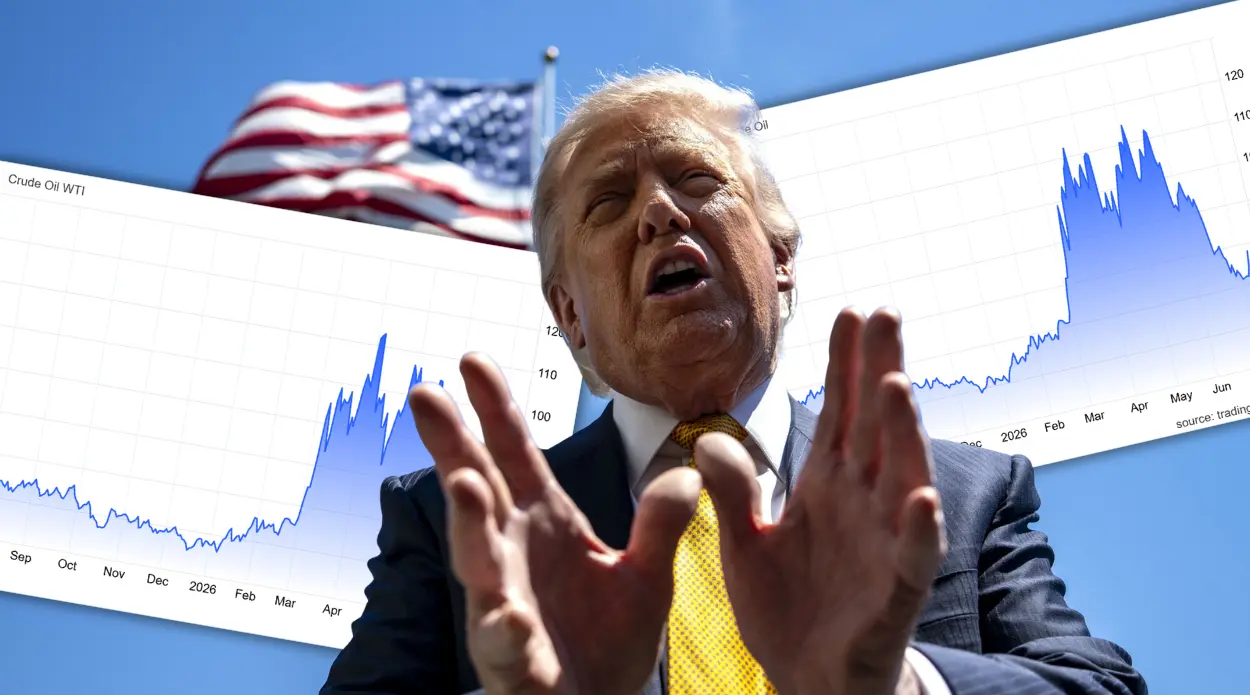
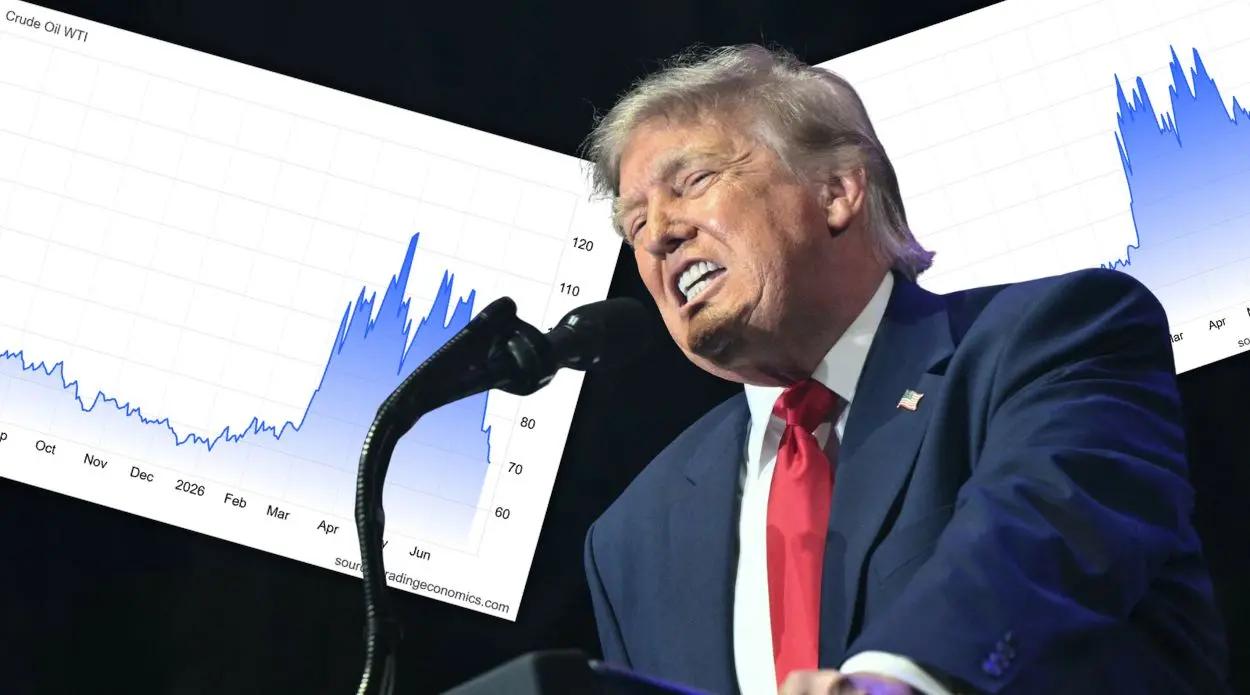
Although Friday’s news of the Strait of Hormuz being opened caused both Brent and WTI to dip to $90 (Brent) and even below $90 per barrel (WTI was $83 on Friday), the firing on Indian ships by Iran and the boarding of the Totka caused Brent to surge to $95.
Currently Brent oil costs $95 per barrel after rising over 5%.
The situation is dynamic, and charts may still sprint past $100, given the ongoing escalation in the region and the looming prospect of a prolonged war in the Middle East.
Chart. Futures contract price for Brent oil

Source: Trading Economics
WTI oil is rising by over 6% to $89 per barrel.
Chart. Futures contract price for WTI (West Texas Intermediate)

Source: Trading Economics
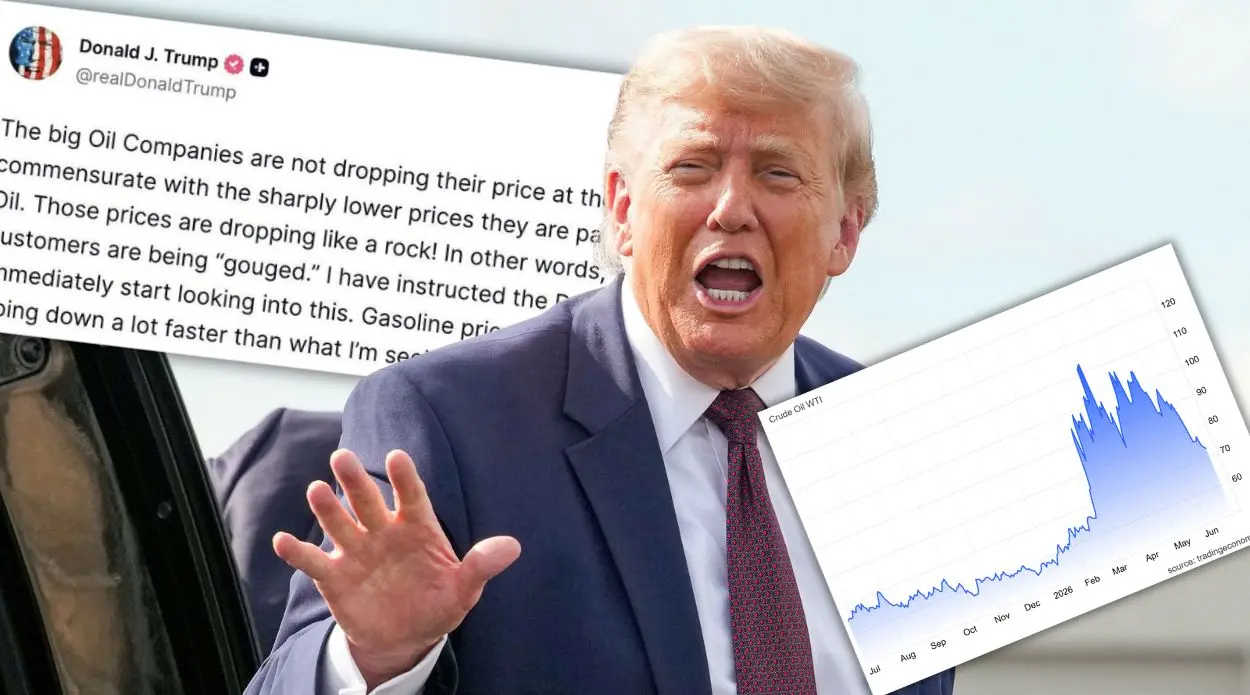
Read also: Fuel prices dipped after Trump’s words. Attacks on Iran were halted. “I instructed the Department of War.”
See also: Fuel prices in Poland will rise, shortages at stations? Expert: “It will not be a one‑off sudden move that will affect drivers.”