Fuel market on fire. UAE decision worsens a tough situation
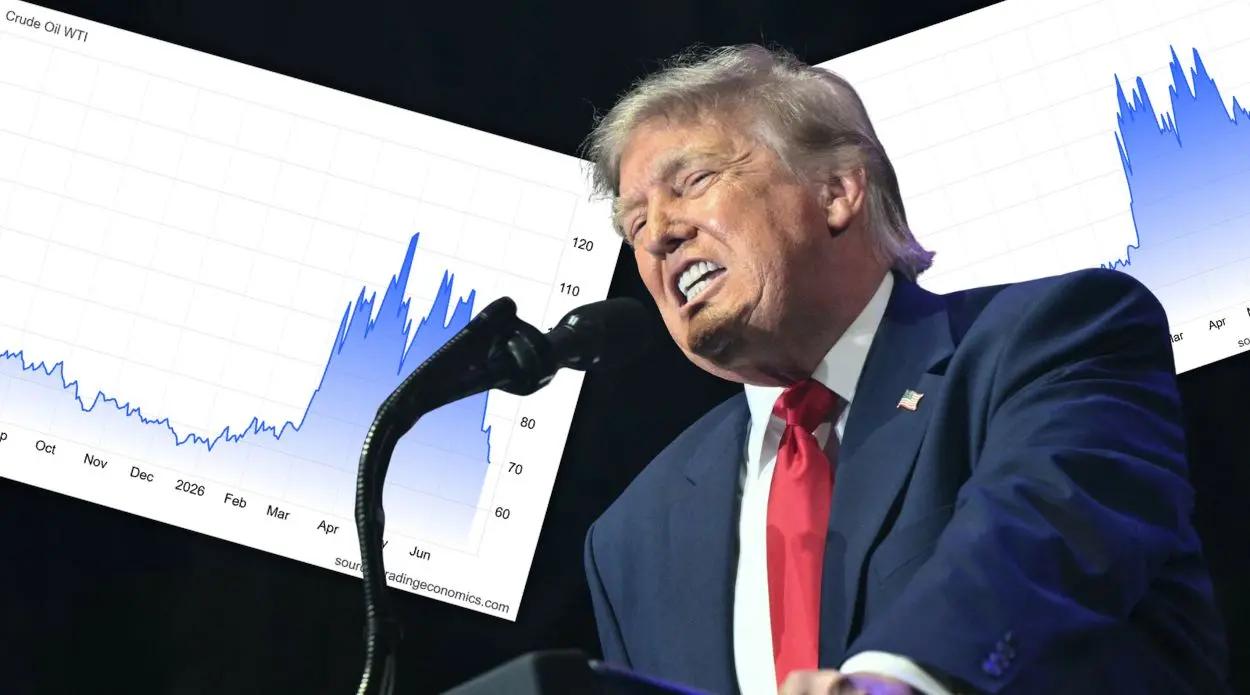
Oil prices at the end of April have consistently stayed above 100 USD per barrel.
The United Arab Emirates announced on Tuesday their intention to exit OPEC and OPEC+ effective May 1.
Read also: Shock in the oil market. UAE exit OPEC and OPEC+. Reuters warns of "chaos"
Grzegorz Maziak, editor-in-chief of e-petrol, explained how the UAE decision could affect the global fuel market.
"The impact on the current situation will be negligible or none, due to ongoing export restrictions caused by the Strait of Hormuz blockade," he said.
"In the medium term, this decision should not have a major effect on physical supply, because it can be assumed that in the first months after the conflict in the Middle East ends, the supply situation in the oil market will gradually normalize and Gulf countries will jointly rebuild production," he added.
This change will have long‑term significance, because the United Arab Emirates is a country that has been investing for several years to increase production capacity and wants to maximize output.
In the 2027 outlook, the UAE planned to reach a production level of 5 million barrels per day from about 3.6 million barrels per day before the conflict between the US and Israel and Iran erupted.
"Exiting OPEC and OPEC+ will allow the United Arab Emirates to independently shape production policy, which could also influence the behavior of other Gulf states," the expert said.
An additional factor contributing to market uncertainty is the ongoing deadlock in negotiations between the United States and Iran.
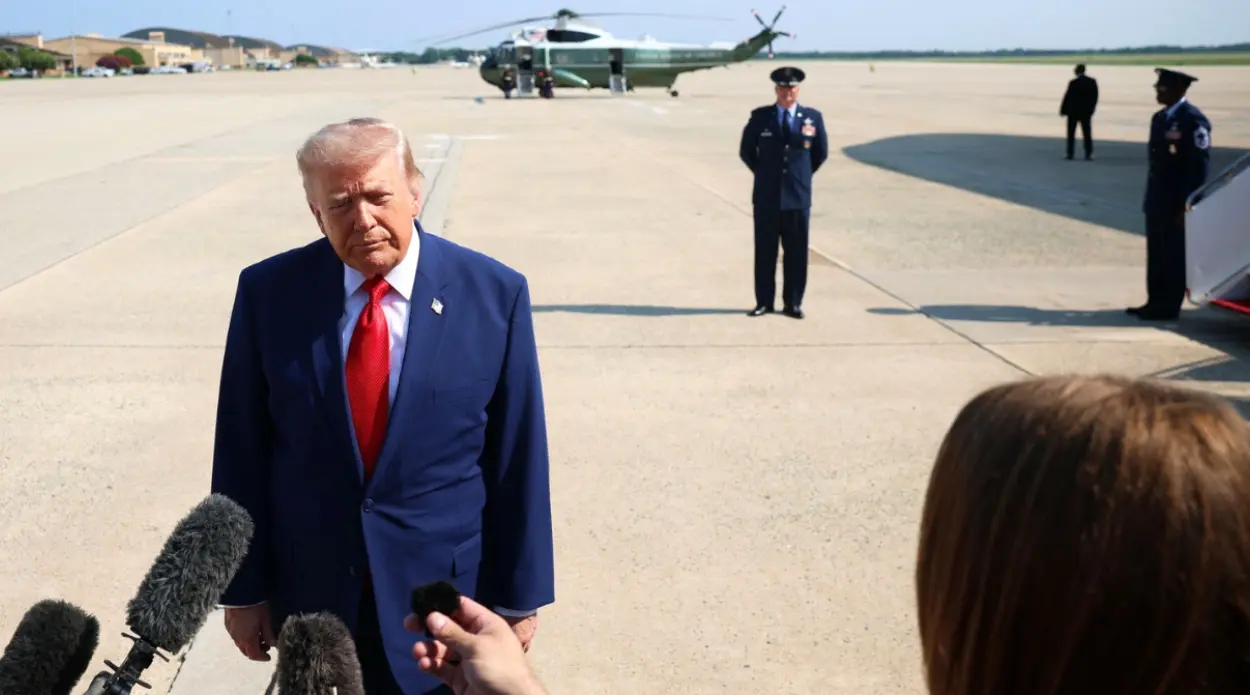
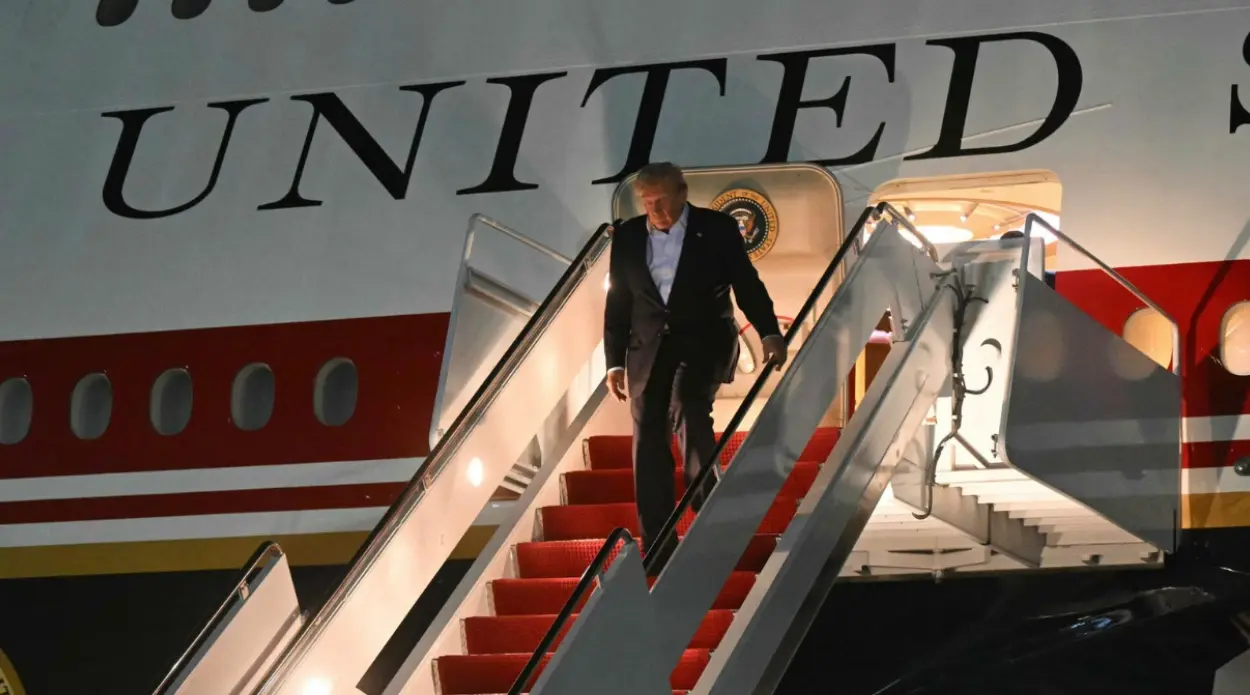
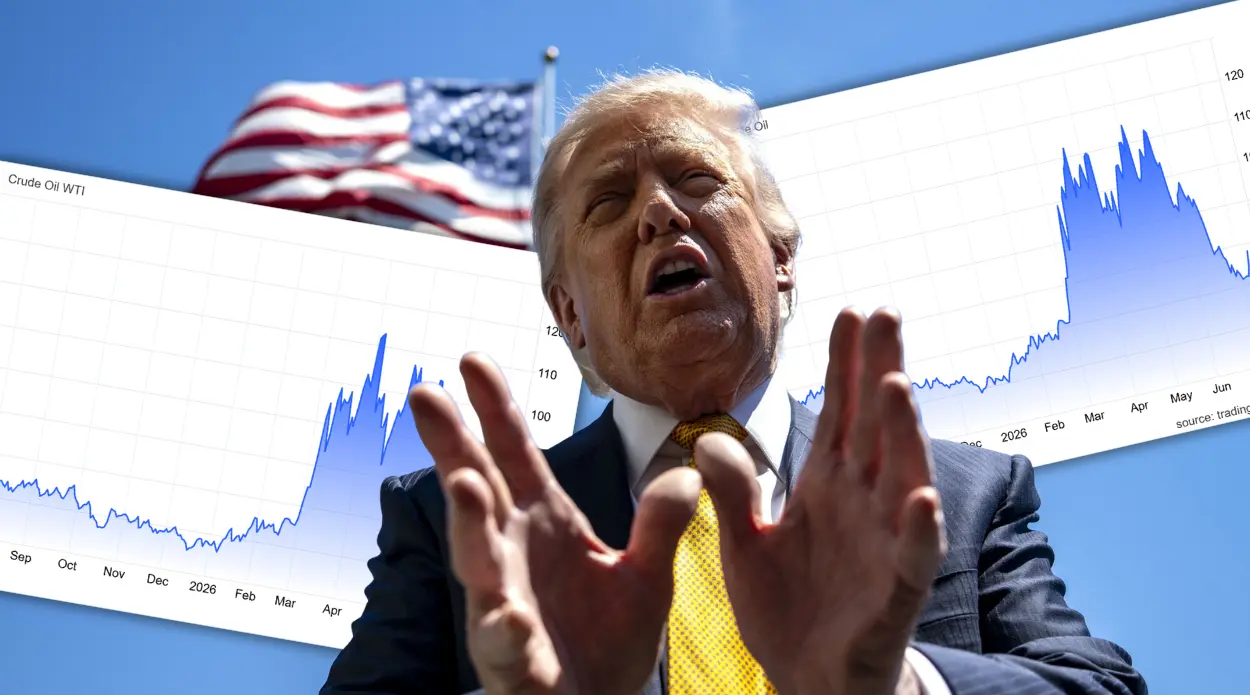
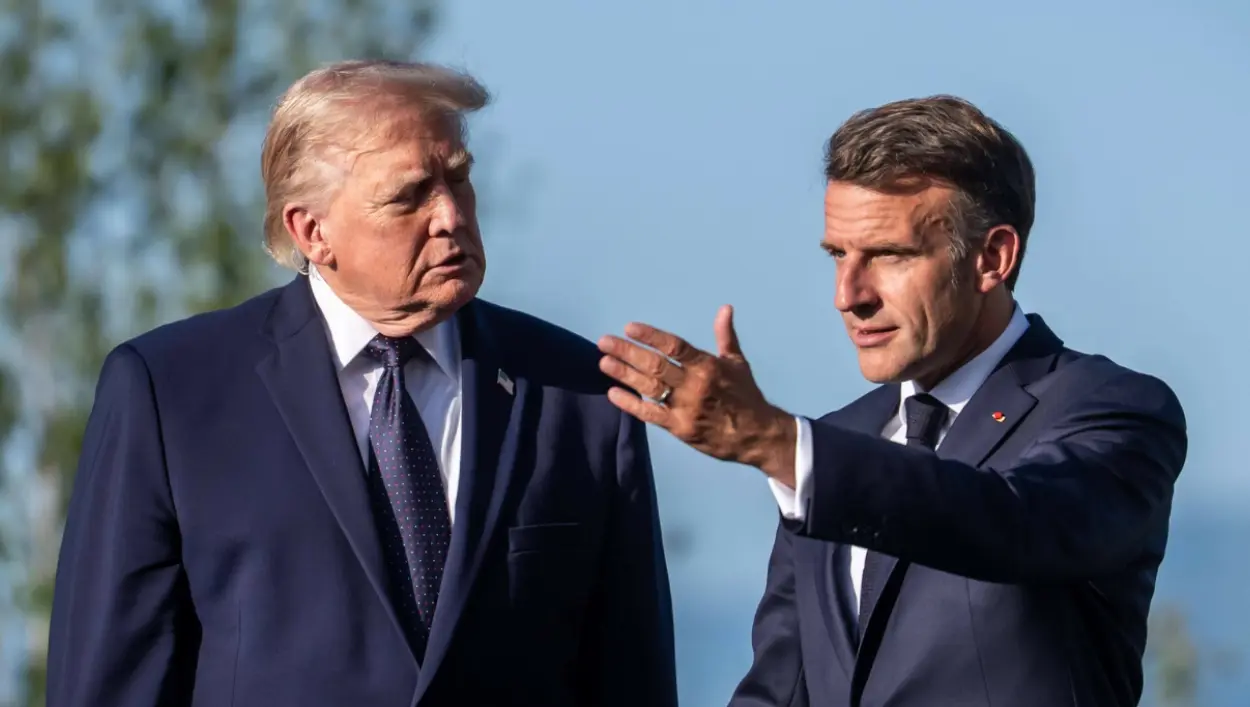
Donald Trump did not agree to lift the Strait of Hormuz blockade for the United States until Iran signs an agreement to abandon its nuclear ambitions.
"The blockade is somewhat more effective than bombing. They are being squeezed like a stuffed pig. It will get even worse. They cannot have nuclear weapons"," the U.S. president said in a phone conversation on Wednesday, according to the portal Axios.
"They want to reach an agreement. They don't want me to keep the blockade. I don't want to lift it, because I don't want them to have nuclear weapons," he added.
Iranian forces, according to Axios, "believe that patience has limits", and in the event of a continued blockade of the strait "a harsh response will be necessary".
Read also: Suspicious transactions in the oil market. Insider traders earned billions. "A terrifying example of market manipulation"
See also: Fuel prices spiked after the UAE hit in OPEC. A well‑known bank revised oil forecasts. "The loudest statement in recent years"
Oil prices will surge. "Risk is shifted towards growth", the bank says
The Brent futures contract price on Thursday, April 30, is at 112 USD per barrel after a 1.5% rise.
Analysts from Goldman Sachs Research predict that Brent valuation will soon change.
"Our commodity strategists currently foresee a slower restoration of oil flow through the Strait of Hormuz, with full normalization expected by the end of June, and production capacities in the Gulf region will suffer moderate, permanent damage", they said.
"In this base scenario, the average Brent price will be 100 USD in April and May, then drop to 90 USD in Q4 2026", they added.
They believe the risk is tilted towards growth. In an optimistic scenario, where flows are restored by mid‑June without permanent damage, Brent prices will fall to 80 USD by year‑end.
However, an unfavorable scenario, where flows are not restored until the end of July, could raise Brent prices to 125 USD in May and 100 USD in Q4, and a very unfavorable scenario, assuming greater production damage, could push prices to 145 USD in May and 120 USD in Q4.
Chart. Brent futures contract price

Source: Trading Economics.
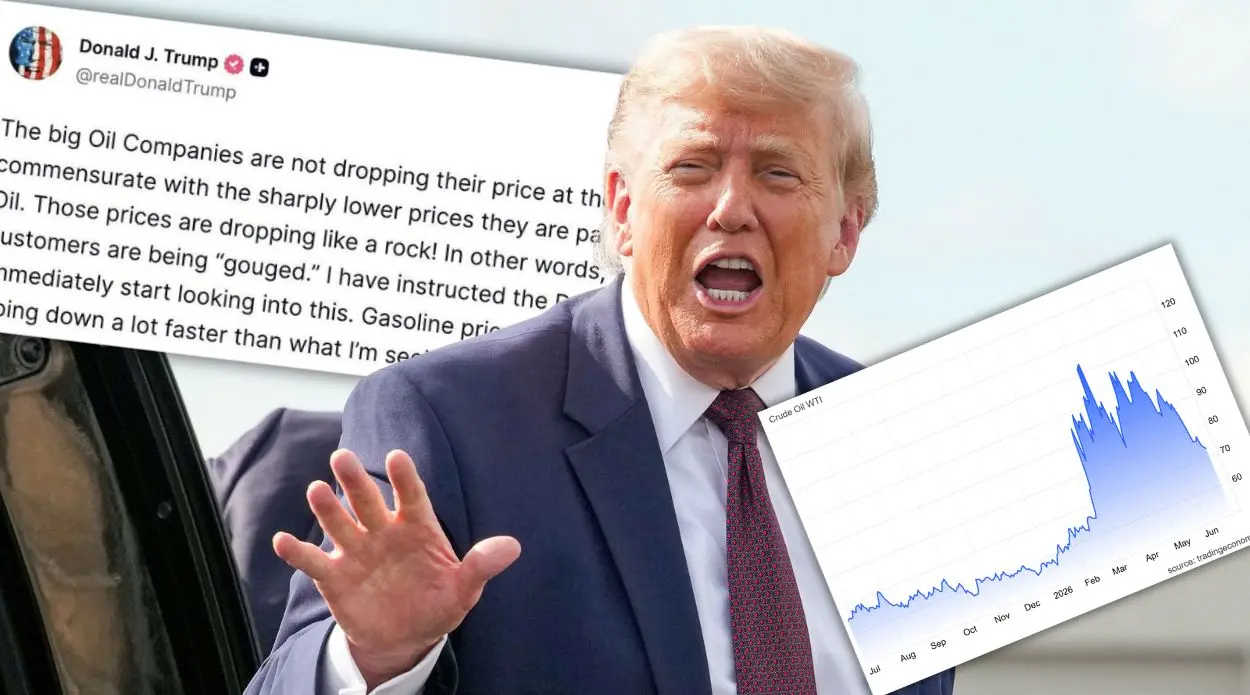
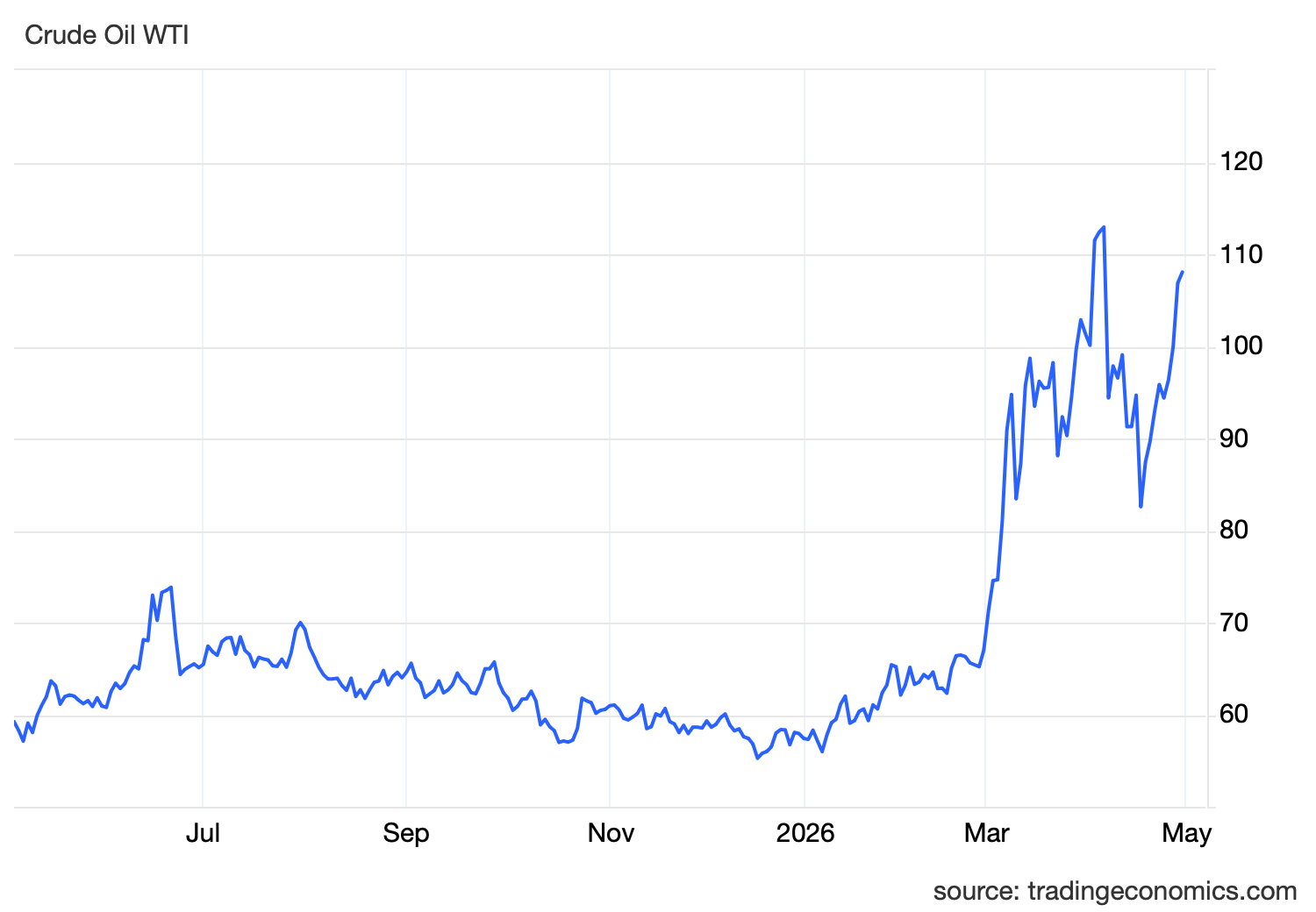
The WTI futures contract price rises by 1.2% to 108,2 USD per barrel.
Chart. WTI futures contract price (West Texas Intermediate)
Source: Trading Economics.
Read also: Middle East deadlock hits fuel prices. Will there soon be a drop to 40 USD per barrel?
See also: Fuel prices in Poland will rise, will there be shortages at stations? Expert: "This will not be a one‑off sharp move that will affect drivers"
Source: Axios, Goldman Sachs Research.