The forecast for this year’s GDP growth is being moved from 3.9% to 3.8%
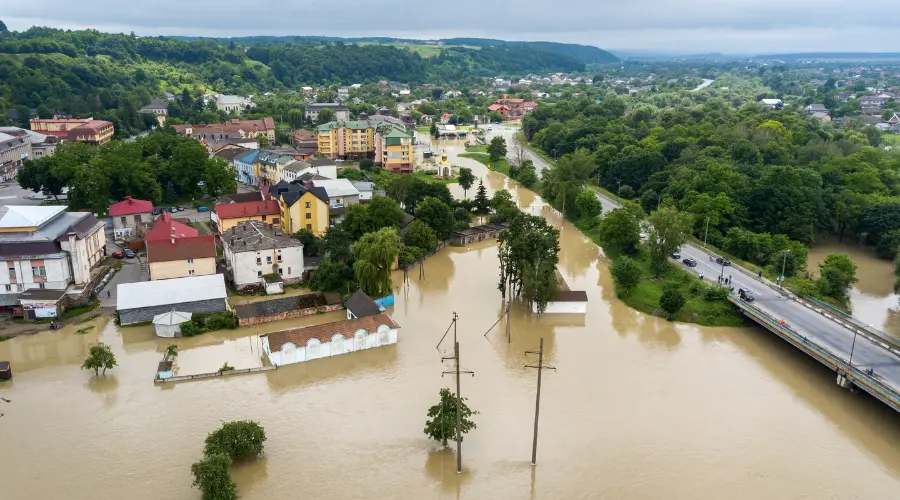
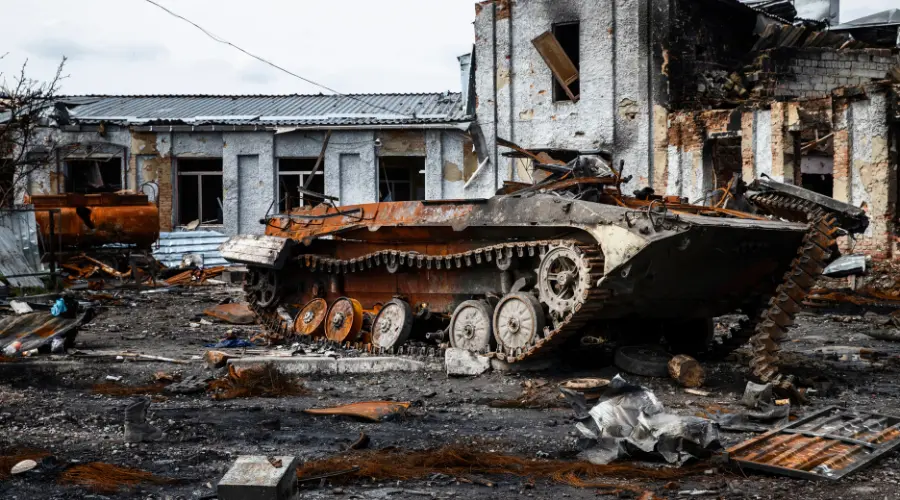
In mid‑March we published a report with three scenarios for the economic situation, depending on how long‑lasting and severe the commodity shock triggered by the war in Iran turns out to be. Three weeks later we can say that the first scenario, which we then considered most likely, was in fact overly optimistic, and the base variant is shifting toward scenario number 2: the conflict does not further intensify, but prolonged uncertainty and the damage already inflicted on infrastructure mean that commodity prices may remain at least 15‑20% above February levels for most of this year.
Information from recent days about an agreement on a two‑week cease‑fire is taken as a clear signal that neither the USA nor Iran wants further escalation and prolongation of the war. Nevertheless, the situation is still far from resolved, and if an escalation of the conflict and further rises in commodity prices were to occur, stronger forecast adjustments would probably be necessary.
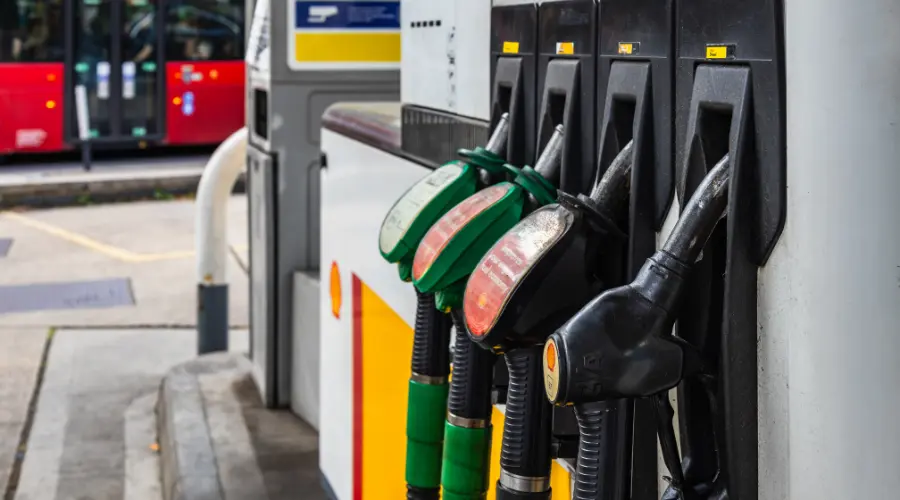
We are adjusting economic forecasts in line with the scheme outlined in the previous report. Higher fuel prices will negatively affect economic growth, but only to a small extent. The forecast for this year’s GDP growth is being moved from 3.9% to 3.8%. We still believe that a key stabiliser of economic activity this year will be investments financed from KPO funds, which should be relatively insensitive to fuel prices and geopolitical uncertainty.
The minimal weakening of the growth rate will probably be mainly reflected in a deterioration of the trade balance, and private consumption should not visibly suffer, since the government has already decided to protect households from price shocks at an early stage.
Inflation dynamics will remain near 3% year‑on‑year by year‑end.
The inflation forecast is moving up, but less than we had assumed in scenario 2 of the March report, due to government actions mitigating fuel price increases. We assume that the temporary VAT and excise reduction on fuels will be maintained until the end of the year, so that CPI dynamics will stay near 3% year‑on‑year by year‑end. Without these measures inflation would be almost 1 percentage point higher. We also do not assume a rise in natural gas prices from July, when the current tariffs expire (a 10% increase could add another 0.3 basis points to CPI).
Some inflationary effects of the closure of the Strait of Hormuz will be delayed, including higher food prices, semiconductors, and secondary effects of rising production and transport costs. This, along with the increase in CPI dynamics as government protective measures expire, could mean that inflation may remain above the 2.5% target also in 2027.
There will be no rate cuts in 2026 or 2027
As a result, we do not expect changes in NBP interest rates this year or next year. The path to a rate cut, but more likely next year than this year, could open if the scale of economic slowdown is much larger than we assume. Conversely, tightening monetary policy could occur if commodity prices continue to rise strongly, pushing inflation into the 5% and above range.
The fiscal deficit should not exceed 7% of GDP
As we wrote in the previous report, the impact of the war in Iran on public finances could be non‑linear: slightly higher inflation with a modest slowdown should not strongly affect budget results, and only a stronger and lasting shock would lead to a significant deepening of the deficit. The cost of fuel tax cuts (about 0.35% of GDP assuming they are kept until the end of the year) or a possible freeze of the gas tariff will partly be passed on to state companies (including with the help of a planned extraordinary profit tax), and the fiscal deficit should not exceed 7% of GDP.
After a sharp rise in bond yields in the first weeks of the Middle East conflict, there was a strong reaction after the announcement of a two‑week cease‑fire between the USA and Iran. In our view, in the coming months the curves will remain clearly above January‑February levels because first the market will not quickly return to pricing further NBP rate cuts, and second the government's willingness to rush consumers into aid will likely increase credit‑risk spreads required by investors. By the end of the year we expect yields to return to levels close to those we forecasted in the previous report.
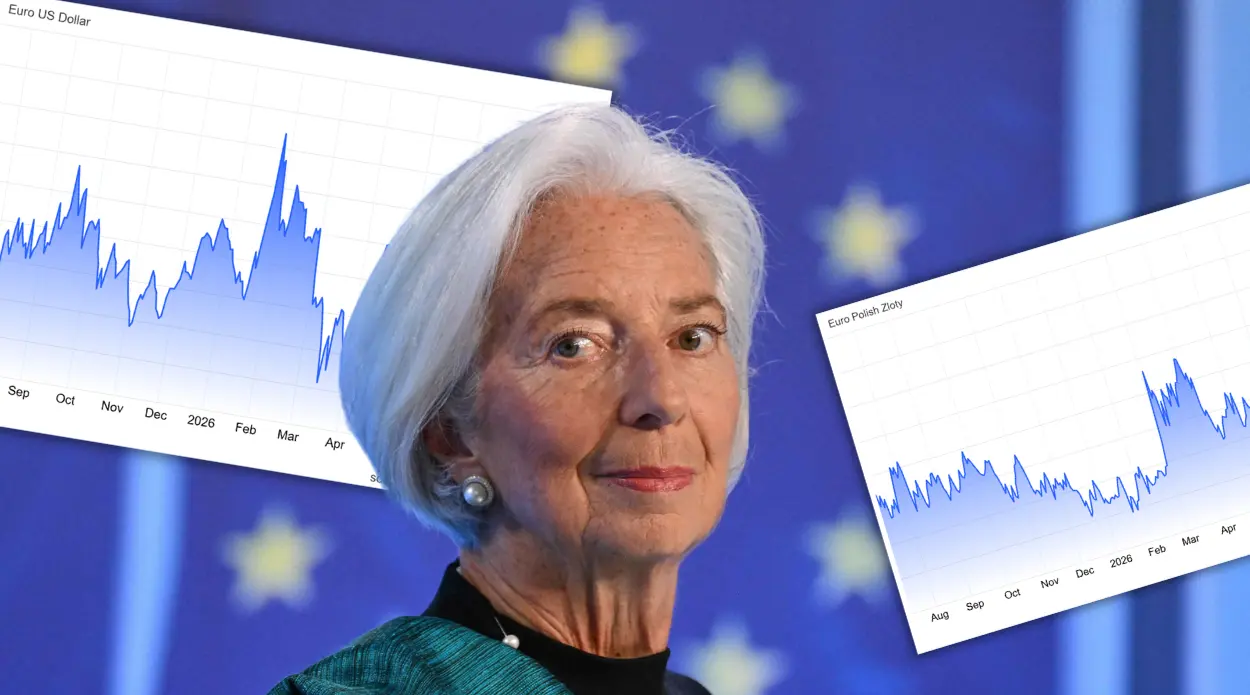
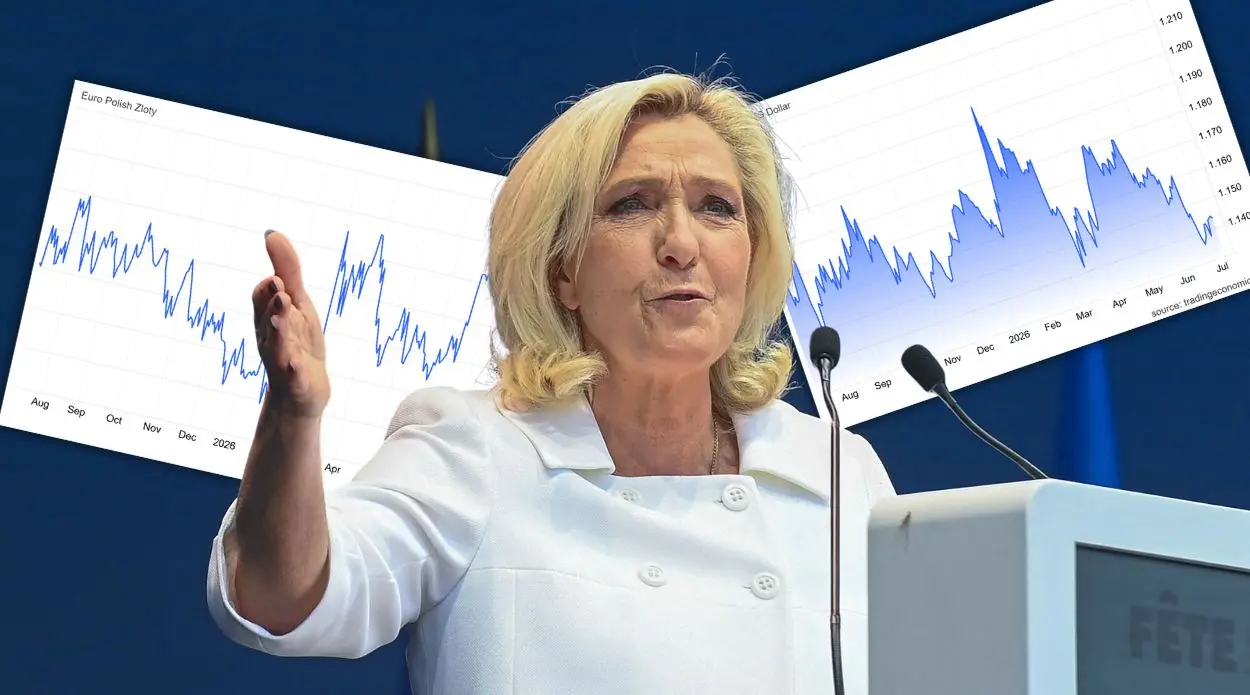
The EUR/PLN exchange rate will stay at 4.25 PLN
The foreign‑exchange market has been moderately stable in recent weeks, and we assume that this situation will not change.
In the coming months we expect the EUR/PLN rate to stabilise around 4.25, unless a new geopolitical risk escalation occurs.