The calm tone of NBP President A. Glapiński’s conference was the main factor influencing the depreciation of the zloty. The zloty weakened on suggestions of possible NBP rate cuts next year (although the President himself sees room for a cut still in the first quarter under favorable conditions).
With investors’ expectations for ECB and especially Fed rate hikes remaining, this led to a narrowing of the implied rate differentials and thus a decline in the attractiveness of the domestic currency in carry‑trade strategies.
Notably, the zloty clearly deviated negatively from the other CEE‑3 currencies, and its weakening occurred amid improving global sentiment, falling oil prices, and rising EURUSD.
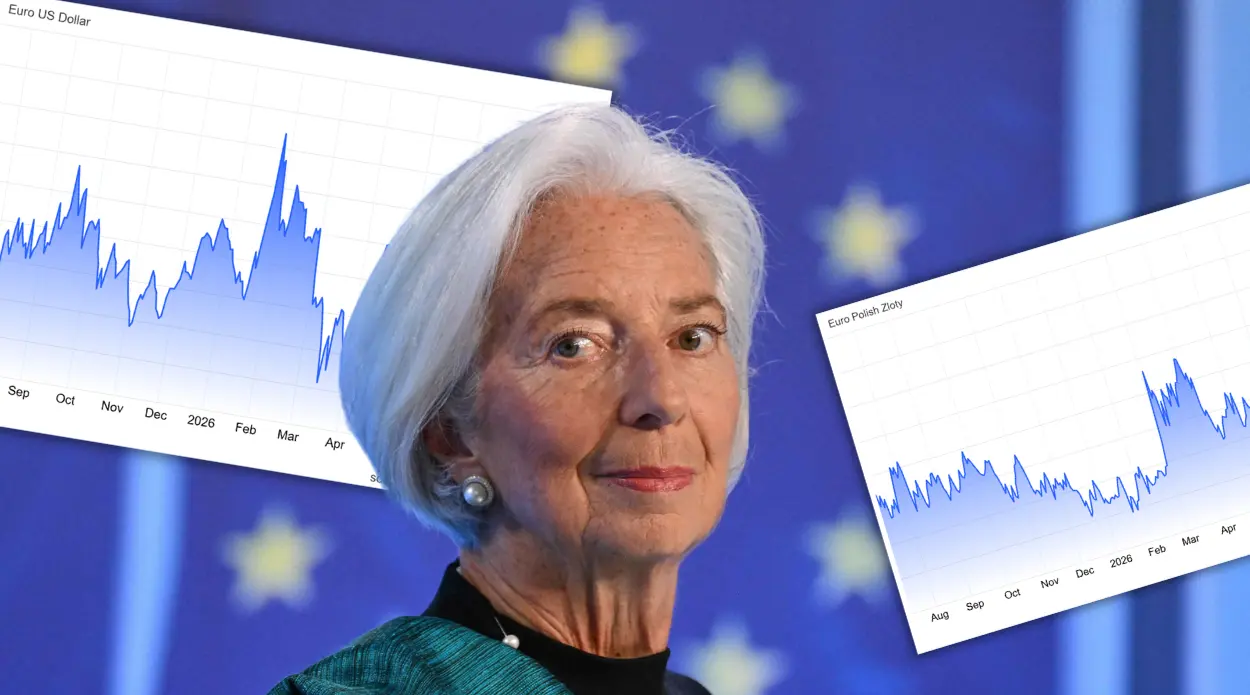
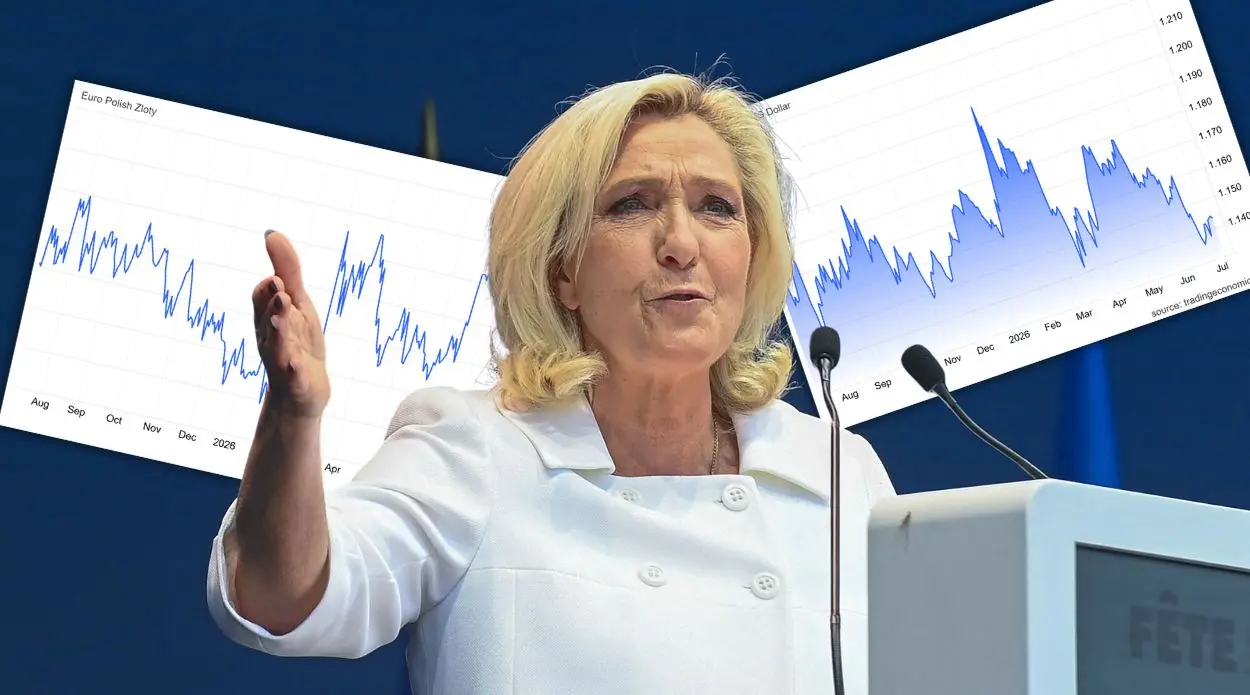
The Thursday weakening of the zloty against the euro significantly affected the technical picture of EURPLN, as the rate broke above the medium‑term sideways trend that had persisted since April 2025.
However, it should be noted that during the session other local resistance levels (the 4.33–4.3350 zone) were tested, which could halt further gains of the pair at least in the short term.
Euro rate – forecast for the coming days
Today's final consumer inflation readings from France and Germany for June, assuming no significant differences from market consensus, should not have a major impact on the valuation of the ECB rate path, and thus indirectly on the euro.
Geopolitics will remain the focus for investors, examined through oil prices and their impact on inflation and the policy of major central banks.
In our view, until the market limits the valuation of the scale of tightening by the ECB and mainly the Fed, the zloty may remain under pressure, especially since the trend picture of EURPLN and USDPLN supports further rises.

Government bond market
On the domestic debt market, Thursday’s session brought a sharp decline in government bond yields, which returned to levels near those at the end of June.
Bond valuations were mainly supported by the announcement of NBP rate cuts in 2026, which appeared at Thursday’s press conference, and the oil price discount.
Looking ahead to Friday’s session, we expect the downward trend to continue – in the coming days, yields on Polish 2‑year bonds may fall to around 3.95%, and 10‑year bonds to 4.25%. The main argument for such a scenario remains the intensifying expectations for rate cuts in Poland, even if they have largely been priced in by the market.
In light of yesterday’s clear easing of the Council’s rhetoric, the publication of the minutes from the June RPP meeting should not have a significant impact on market sentiment. An interesting event in the local market will be Friday’s auction of 50‑week treasury bills with a supply of about 2–4 billion PLN. Given that in earlier auctions this year the Ministry of Finance sold securities with an average total value of 3.6 billion PLN, we expect a similar volume to be placed.
It is worth noting that after the buyback on June 30, the market circulation contains bills with a total value of 23.6 billion PLN. On the primary markets, investors’ attention will still focus on tensions in the Persian Gulf. After recent Iranian attacks on shipping units in the Strait of Hormuz and retaliatory US strikes, the market is beginning to price in a de‑escalation scenario.
Oil prices slightly down
Oil prices have fallen slightly from their peaks, supported by hopes of a return to US‑Iran negotiations. The continuation of this trend should favor further declines in yields on the global debt market, but the geopolitical situation remains highly volatile and uncertain.