Economic growth may put pressure on the PLN
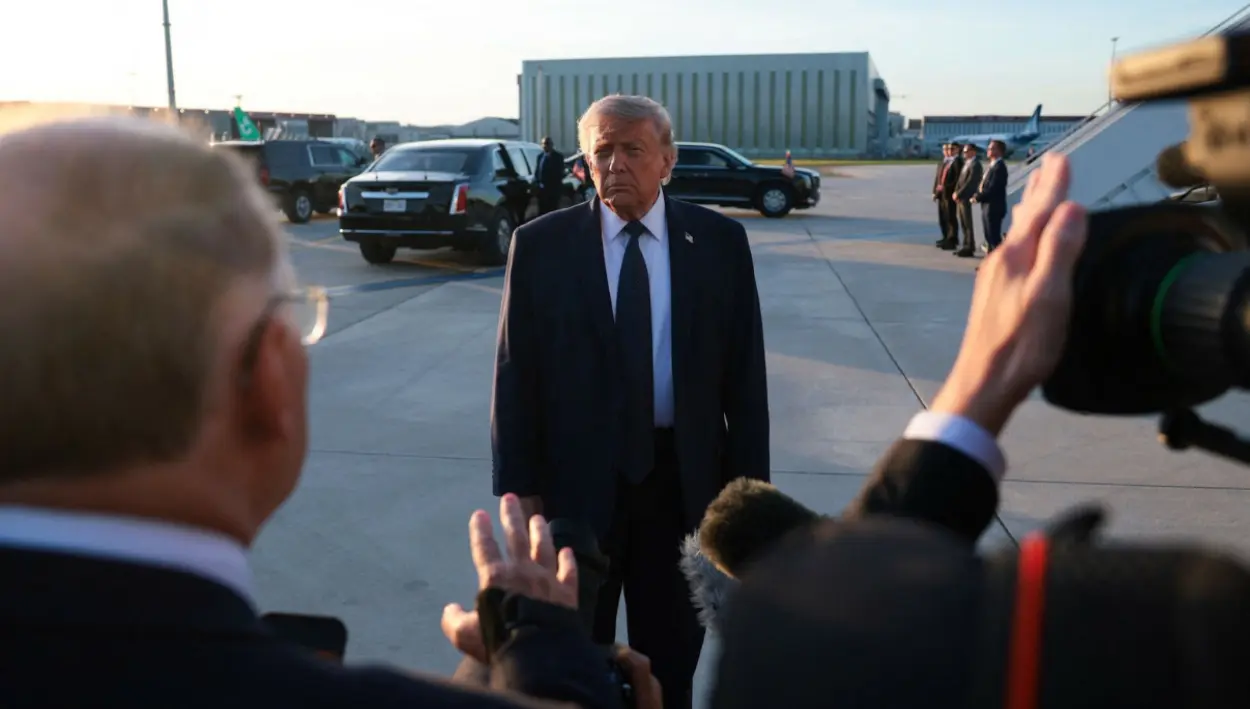
The global risk‑off mode and the accompanying sharp rises in oil prices created an unfavorable environment for emerging market currencies on Wednesday. These factors were compounded by escalating geopolitical tension in the Middle East and President Trump’s statement that a ceasefire with Iran is practically dead and further negotiations are a waste of time. At the same time the U.S. president did not close the door to diplomatic actions, which limited the FX market’s reaction to the described backdrop.
In the country, the statement after the July RPP meeting was neutral for the PLN. On one hand, the Council in its new macroeconomic projections indicated slightly higher inflation, which, together with rising oil prices, dampened market expectations of NBP rate cuts in 2027.
On the other hand, the new projections showed a slightly lower expected economic growth, which could exert some pressure on the PLN. The tone of the evening FOMC minutes was hawkish, but the market reaction was hard to separate from the current impact of clearly rising oil prices.
Dollar rate – forecast for the coming days
On Thursday, investors will globally remain focused on the Middle East situation, viewed through the lens of oil prices, which in our view have reached the vicinity of the first technically significant resistances. Locally, the NBP president’s conference will be monitored, but in the current, highly uncertain geopolitical environment we do not expect any dovish tones.

After Wednesday’s trading, the trend structure supports further depreciation of the PLN and appreciation of the USD, but without further oil price rises, which are already at key resistances, a stabilization of domestic FX trading on Thursday is, in our opinion, more likely.
Domestic interest rate market
On the domestic interest rate market, Wednesday’s session brought a clear rise in bond yields. The negative impact on treasury valuations was mainly due to the renewed escalation of the conflict in the Middle East, which led to a sharp rise in oil prices.
The most important domestic event of Thursday’s session will be the press conference of NBP President A. Glapiński. In the post‑RPP meeting statement, the tone was slightly softened, indicating somewhat less pressure from energy commodity prices. Additionally, in the new inflation projection, the central bank slightly lowered its forecasts for economic growth.
A modest shift from high inflation toward weaker economic activity could support the domestic interest rate market, fostering discussion of far‑future rate cuts. It is possible that this message will be further reinforced during Thursday’s press conference.
Signals from the RPP have so far had limited impact on the market, as it remained under pressure from rising energy commodity prices. At the same time, the U.S. administration has not yet provided signals indicating a possibility of deescalation on the U.S.–Iran line. The absence of further attacks from both countries would calm the situation and could translate into lower bond yields.
In such a scenario, the RPP message would have a greater chance of finding reflection in domestic interest rate market valuations. On Wednesday, the market returned to a view of rate stabilization in 2026‑2027. On Thursday, on the major markets, with a blank macroeconomic publication calendar, investors’ attention will remain primarily focused on the geopolitical situation in the Middle East.