Markets in an increasingly dense sauce of uncertainty
Sentiment at the opening of the new week is a bit like the best kebab sauce (the most popular fast‑food dish in Poland, reportedly about 5 million orders per year), i.e. mixed. Let’s first look at a slightly different gastronomic region, the Far East. There, again, a negative sentiment around technology companies resulted in another deep undervaluation of the Korean stock index.
The KOSPI plunged 8.6%, which until recently was considered a catastrophe equal to a lack of kimchi stock, but since the global correction around AI began, it is simply an ordinary Monday in Seoul. The cold, sushi‑like chill also spread to Tokyo, where the Nikkei fell almost 2%. Nothing good was foreshadowed in Europe, but here the main indices remain close to Friday closing levels.
Before 13:00 the markets in Amsterdam, Paris or London are slightly below the line, but above it still remain Frankfurt or Milan. After a great finish last week on the Warsaw Stock Exchange, today we observe a slight profit taking. It is worth noting that the noticeable strength of the Polish market in recent days was in clear contradiction to the behavior of the domestic currency, which is not usual for our market.
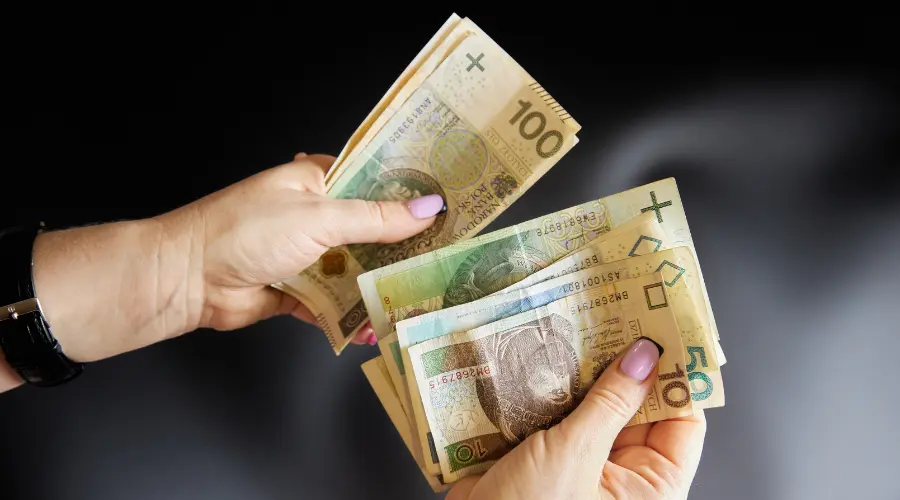
PLN rises from its knees
After a tough June for the zloty came an even heavier July. While the weakening of the zloty in previous weeks was mainly due to the broad market and the dollar surge, in recent days the PLN received a powerful straight from the NBP. The same NBP, whose motto is “We care about the value of the Polish money”. This time it probably wasn’t about the value of the zloty, which after the RPP meeting, and especially after Prof. Glapiński’s conference, sharply weakened on FX.
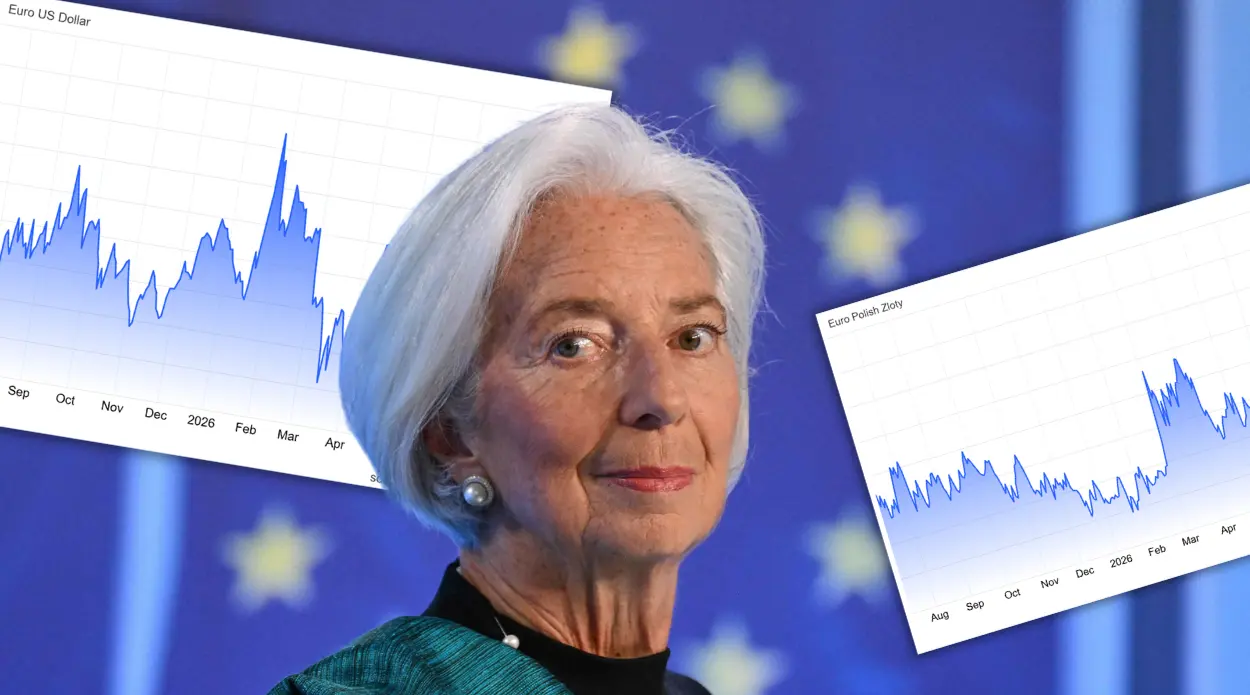
There is no better proof than the behavior of the most important for Poland and usually stable (sometimes even boring) currency pair EUR/PLN. After extremely calm (and unexpected) comments from the central bank chief, who did not rule out rate cuts in Poland right after the holidays, investors had to adjust their positions.
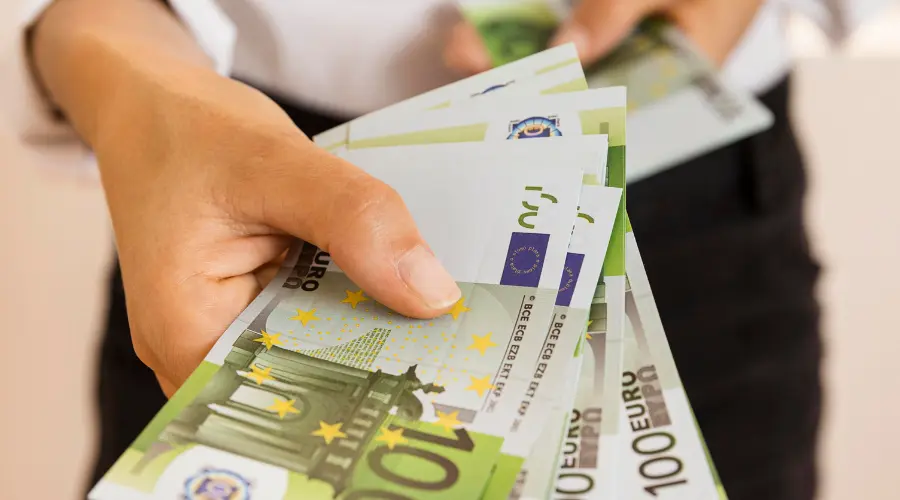
This meant a sell‑off of the zloty, and the euro rate shot up and within 2 days rose by 5 cents. At its peak EUR/PLN reached 4.35 PLN, a level last seen in autumn 2024. Fortunately for the domestic currency, the NBP president will have a chance to influence it only after more than 1.5 months (the August council meeting is undecided on monetary policy).
On Monday the PLN began partially recovering losses. On one hand this can be seen as a profit taking by the most speculative capital, and on the other as a sign of more balanced positioning by investors after the first shock. After 13:00 the euro rate falls to about 4.32 PLN.
There will be no cucumber season
Unfortunately for the PLN further weakening impulses may come again from the broad market. The rekindled conflict in the Persian Gulf (reports indicate a progressing escalation from both sides) has already drastically corrected oil prices. At the beginning of July a barrel of the European benchmark Brent cost about 70 USD, and now it is 8 dollars more.
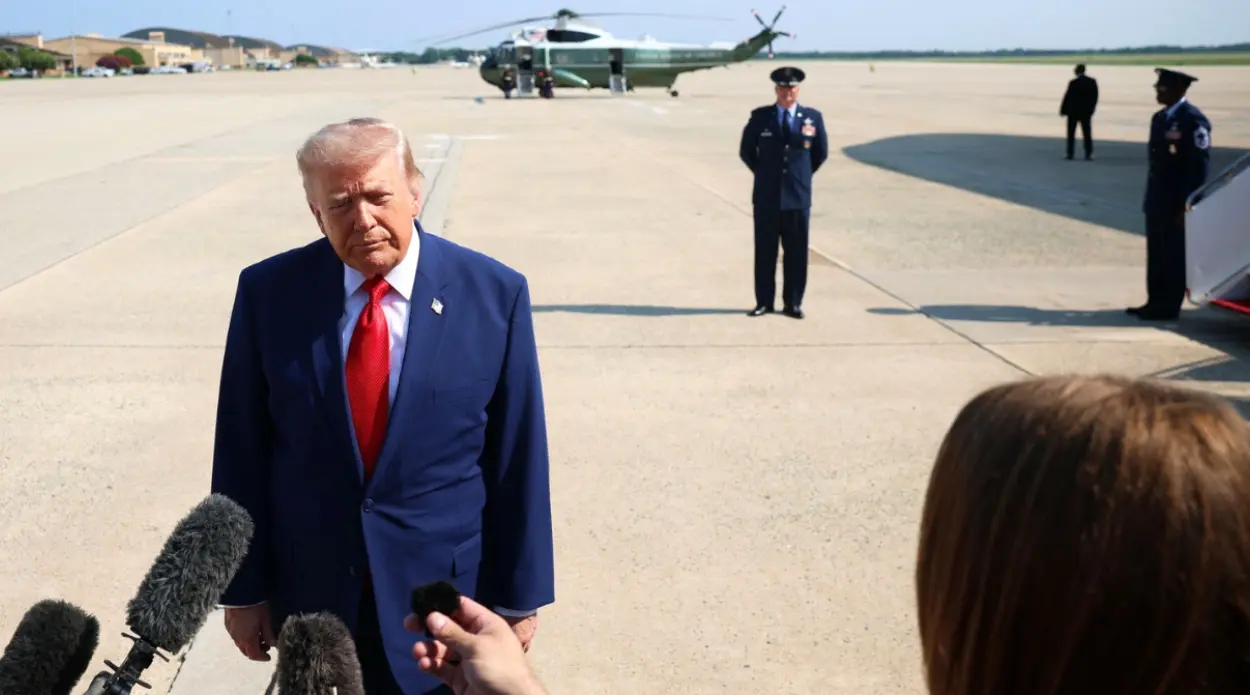
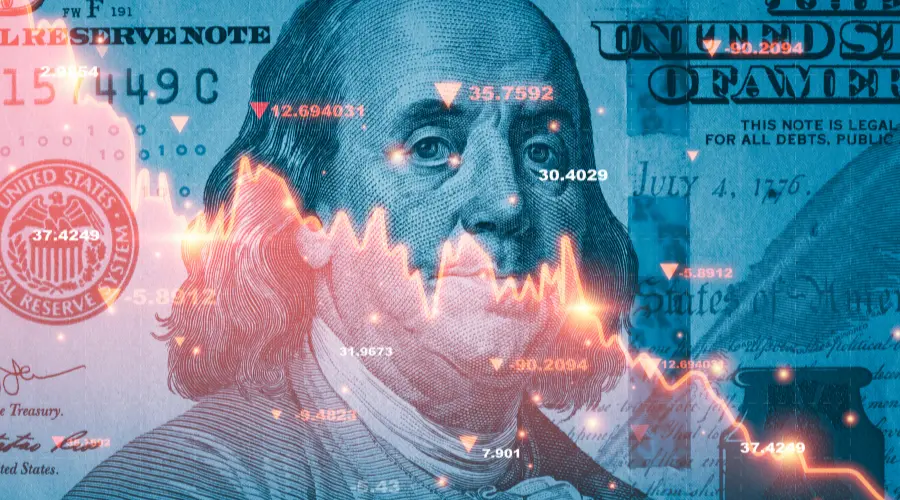
The behavior of the energy commodity market again sparks discussion about a possible inflation path, and thus about monetary policies, with an emphasis on the USA. Tomorrow we will see the June CPI from that country. It is expected to fall to 3.8% YoY, but the core will stay at 2.9%. Any surprise upward will increase expectations of the cost of money in the States and thus strengthen the dollar. A few hours after this publication before the House Committee, Kevin Warsh will present a half‑year report.
Fed chair remarks will continue on Wednesday before the Senate Committee, and politicians will surely try to pull more from him than journalists have managed so far. Finally this week the earnings season for Wall Street companies begins, and banks usually go first. If the results are mainly beating expectations, it could again be good news for the USD, because the American market will once again prove its strength, for which a wider stream of dollars may flow to New York.
Nevertheless, true sentiment will only show in the reports of technology companies (we will see them next week), whose AI spending is increasingly loudly contested. For now, the main currency pair is in about a half‑cent consolidation, the EUR/USD rate is currently close to 1.143 $.