The world is raising rates, and Glapiński wants to lower them
The Wednesday decision by the Monetary Policy Council was not a surprise – the market did not expect a change in rates and they were not changed. The direction of policy turned out to be a strong factor influencing the quotes. In the face of the Middle East conflict the market expected the possibility of raising interest rates in Poland at some point (especially since the Council introduced the last cut in March, after the war had already started) and although the return of oil prices to lower levels limited those expectations, the stance was still more towards a possible hike. Meanwhile the president announced the possibility of submitting a request for a cut at the September meeting.
He added that he is not sure whether it will find a majority in the Council and that there is no talk of two cuts this year, but it is an evident change in direction from the market expectations. An important context is also that the main central banks either raise rates (ECB, BoJ, recently RBNZ), or signal the possibility (Fed, Bank of England) and that due to the reinstatement of higher VAT on fuel one should expect a further (though likely moderate) divergence of inflation from the target. Finally nothing indicates a lasting calm in the Middle East, which is an argument in the mouths of global bankers, but – as can be seen – not for the RPP (at least not for the president).
The euro surges, the zloty loses stability
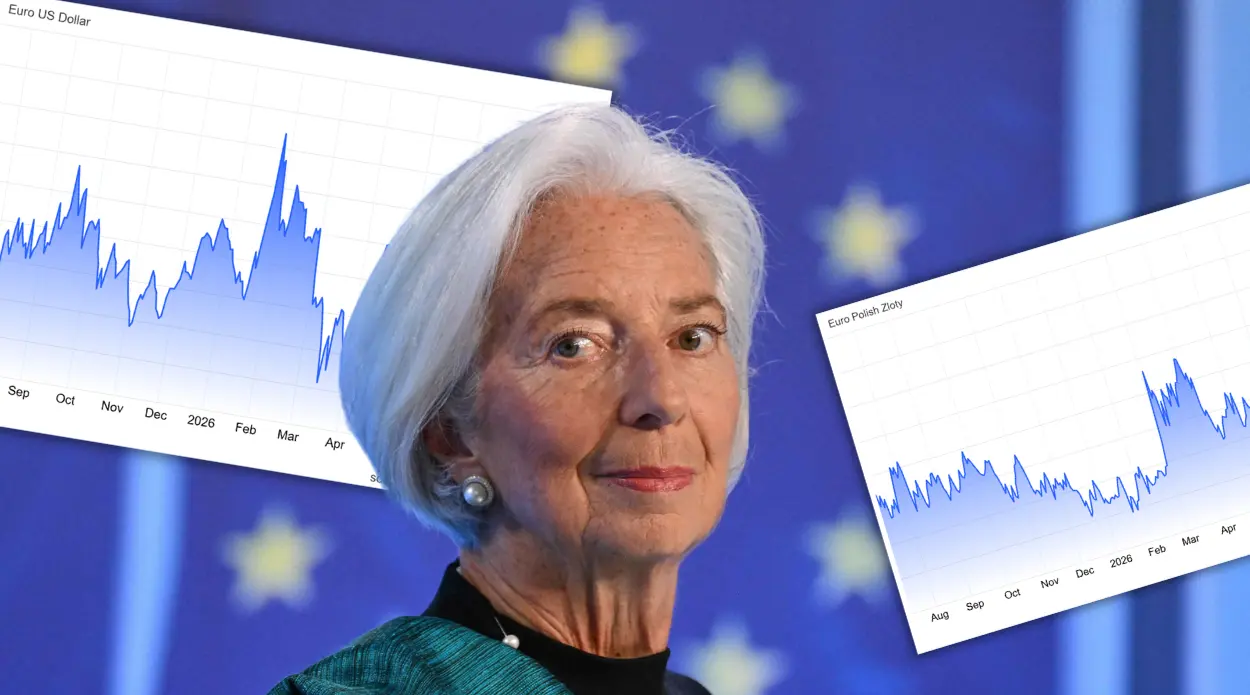
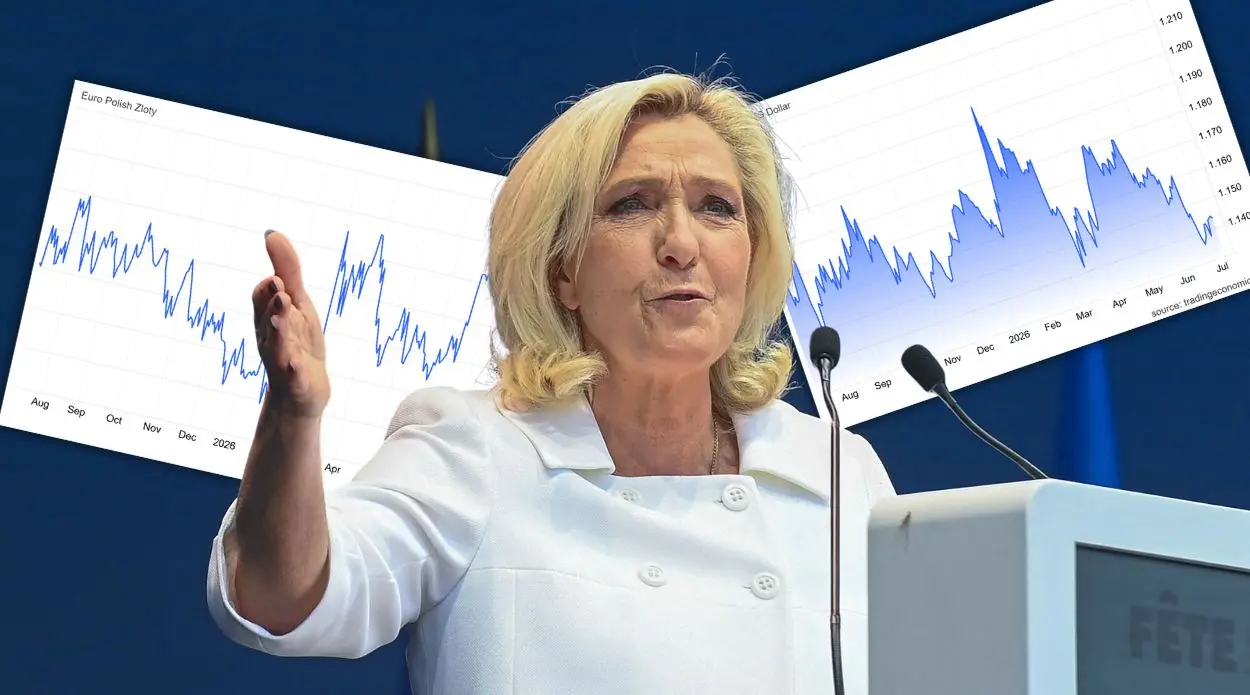
It should be noted that the zloty was already a bit "on the edge" before this signal, dangerously hovering near the 4.30 level on the EURPLN pair. Two factors should be highlighted here. The main one is the stance of the new Fed president, who, contrary to initial expectations, announces a return of inflation in the USA to the target, which strengthens the dollar and causes capital outflows from emerging markets (perhaps not sudden, but noticeable). The second is geopolitical issues, specifically the increasingly tense situation behind our eastern border.
They may not have a big impact on the market for now, but they could add up as a factor taking away some arguments from the zloty. Finally, the strong signal from the president led to a break of the 4.30 resistance and a quick run above 4.33.
This opens the potential for further weakening of the zloty, although how much it will be used depends largely on global factors (further strengthening of the dollar and possible increase in risk aversion). Whether or not, the shield that was the channel keeping EURPLN in a narrow, de‑facto 10‑cent range has been broken.
Today at 11:00 we will learn the latest NBP projections, and later in Canada employment data will be released. Investors will still follow the situation in the Middle East (especially before the weekend). At 9:00 the euro costs 4.33 zloty, the dollar 3.79 zloty, the pound 5.09 zloty, and the franc 4.71 zloty