The Council does not change rates
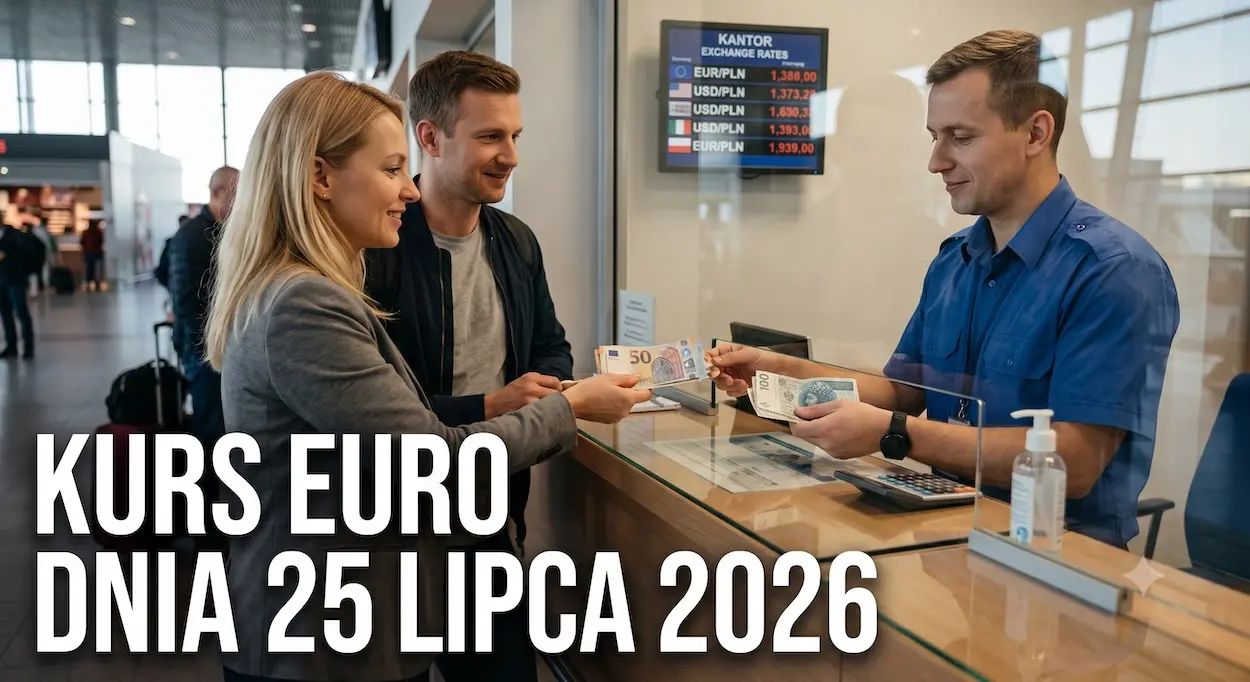
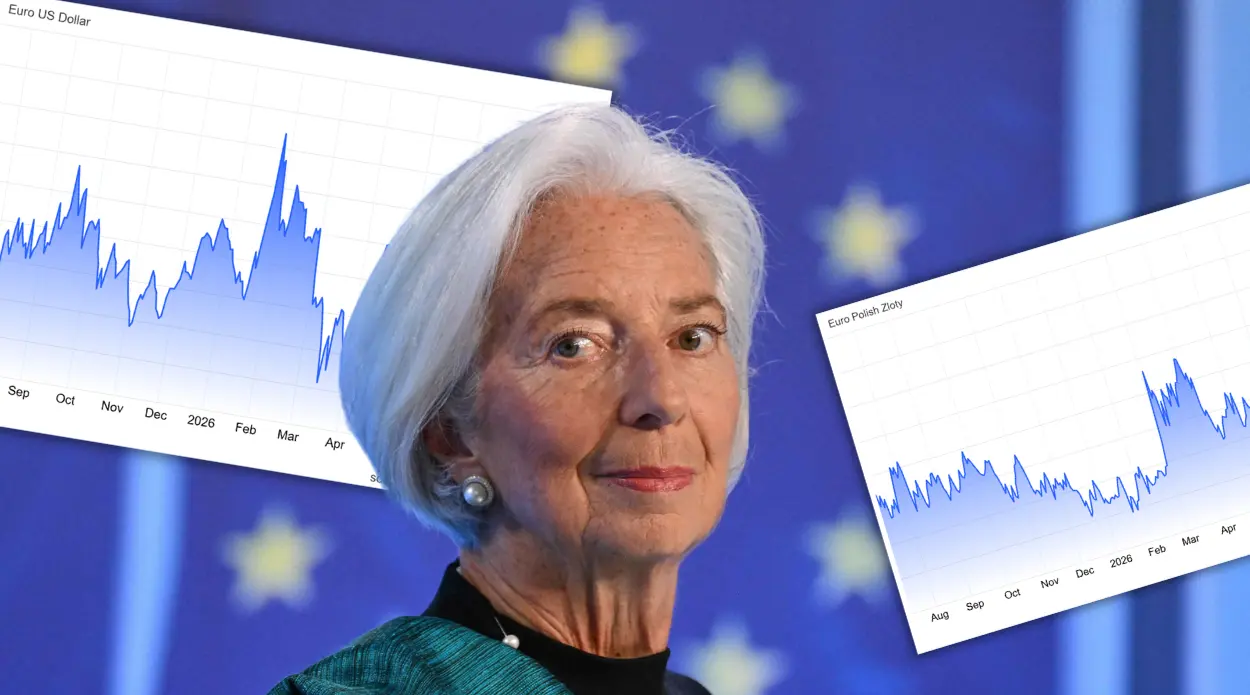
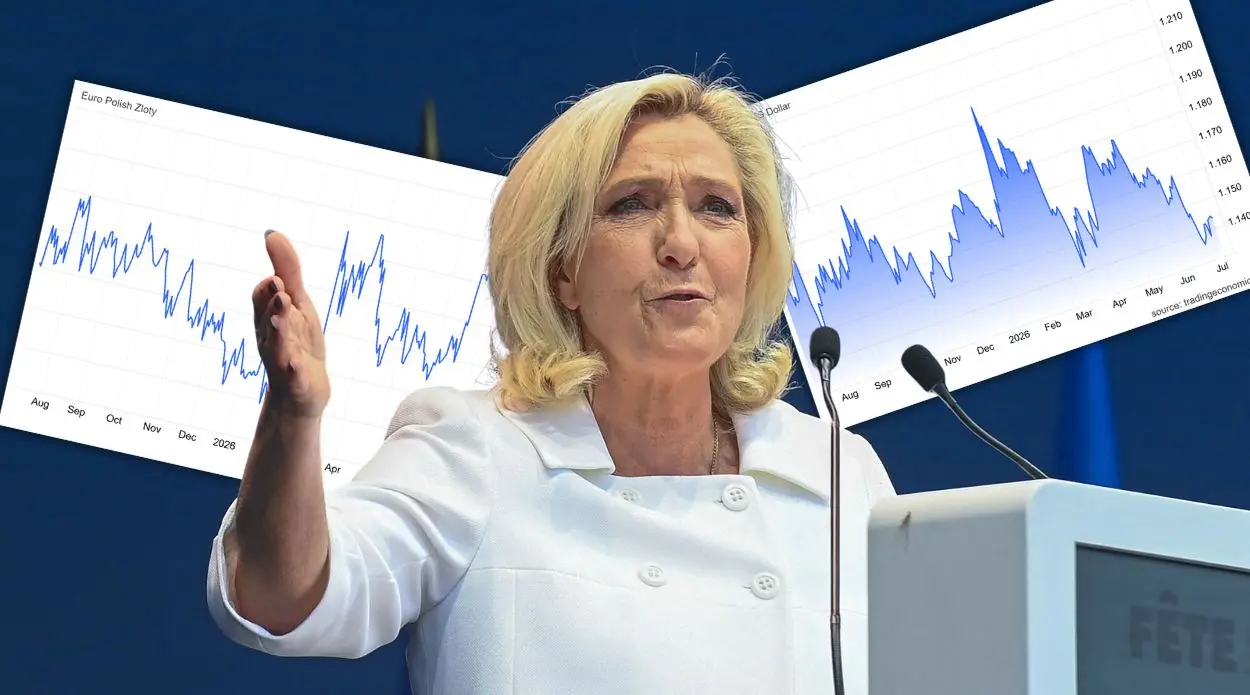
Yesterday we learned of the Monetary Policy Council’s decision to keep interest rates at 3.75%. Given the escalation of actions in the Persian Gulf, the climate for cuts has realistically ended. The Polish zloty has been under strong pressure in recent days due to the resumption of U.S. attacks on Iran. Just Tuesday, before the strikes, 1 EUR cost 4.29 PLN. Yesterday the rate crossed 4.31 PLN.
Right after the decision two conflicting scenarios for the zloty were visible. On one hand, investors, fearing a return to a full‑scale conflict, were selling emerging market currencies. On the other hand, the decision itself seemed to strengthen the Polish currency. The reason was expectations from some analysts that cuts might still occur. As a result, we saw swings up and down, and finally – like in the oil market – the situation calmed somewhat. The euro, however, still costs over 4.30 zloty.
Other central banks
Yesterday, not only in Poland, a decision on interest rates was made. At 4:00 a.m. New Zealand raised rates from 2.25% to 2.5%. The reason was simple: inflation jumped to 3.1% and had been above the rate level for a long time. After the decision we witnessed a strong strengthening of the New Zealand dollar.
Romania, however, remained unchanged, clearly struggling with its economy. From August to March it miraculously avoided exceeding 10% inflation, recording results in the 9.3–9.9% range. Now it is already above. As a result, despite keeping the rate at 6.5%, the country still cannot cope with price rises. It is therefore no surprise that yesterday the rate was not cut – it is rather surprising it was not raised. In Europe, among war‑unaffected states, only Moldova, Iceland and Belarus have higher rates.
What about the Persian Gulf?
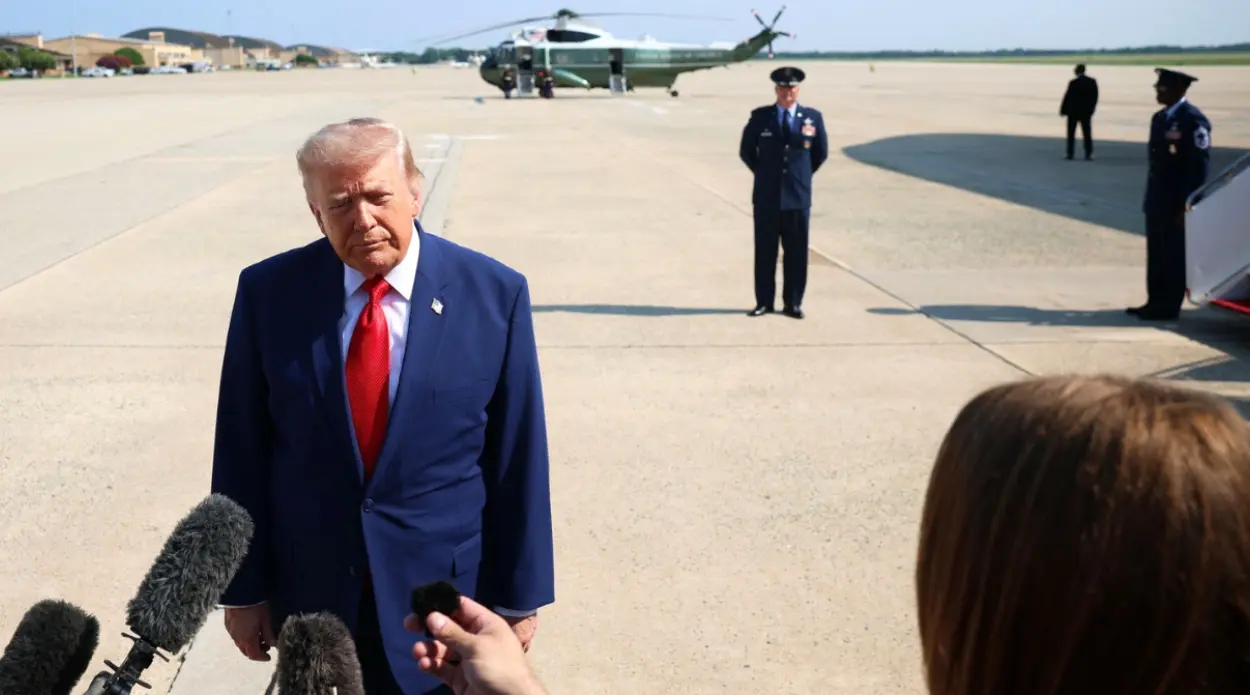
Peace negotiations were so weak that apparently someone had to be blamed. Now both sides think it’s the other’s fault. The truth is that an escalation spiral occurred and both Iran and the U.S. can present arguments pointing to the other’s fault. Maliciously they point out that the World Cup is not the Olympics and wars can be waged during it.
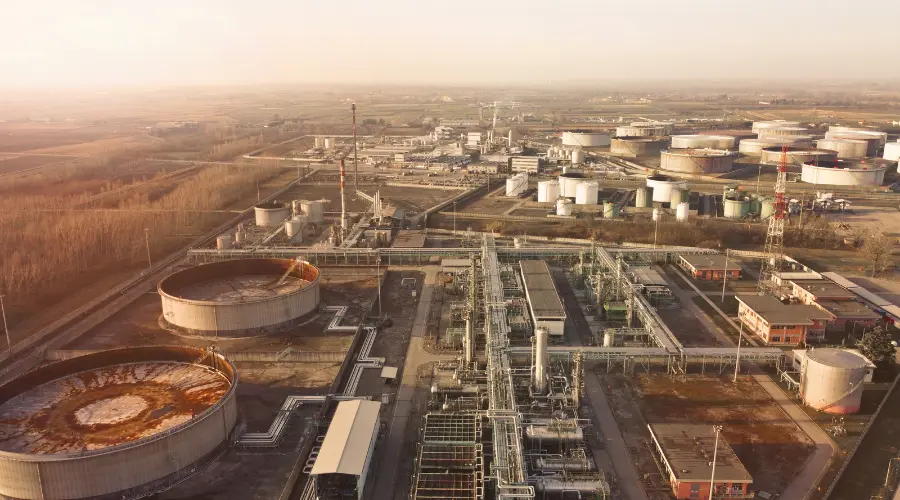
However, one must admit that the Americans waited at least until their team was eliminated from the tournament. This does not change the fact that the consequence of escalation is a sharp rise in oil prices. Just Tuesday morning the Brent barrel was barely above 72 USD, and yesterday it briefly reached 80 USD. Uncertainty returns to the markets again.
Today’s macroeconomic calendar is worth noting:
15:00 – Poland – conference of NBP President Adam Glapiński.