Monotonous Monday in FX? Nothing could be further from the truth
The new week in financial markets began relatively calmly, and investors were waiting for new impulses. In the FX market, from the first hours of the European session, a slight appreciation of the dollar was visible, although there were no new factors that could justify this move. In the end, however, the dollar did not change significantly, helped by slightly weaker-than-expected readings of the June US services PMI.
The euro, on the other hand, remained insensitive to higher-than-consensus readings of the Sentix index and euro‑area PPI inflation.
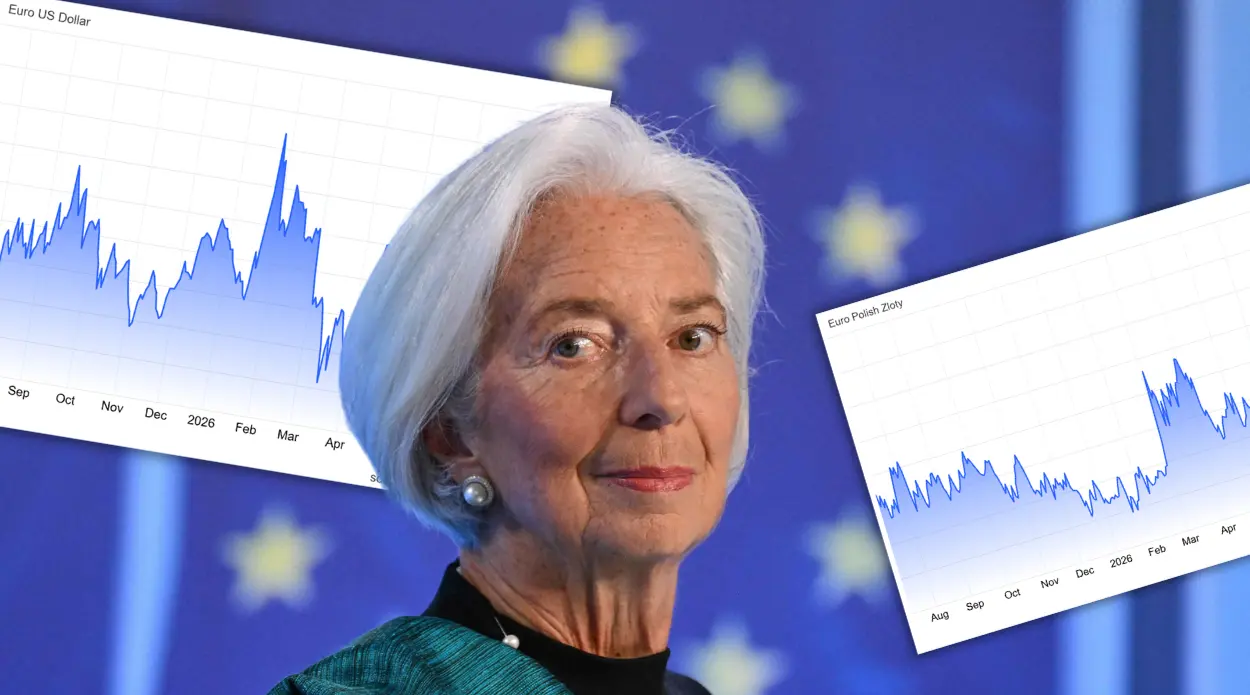
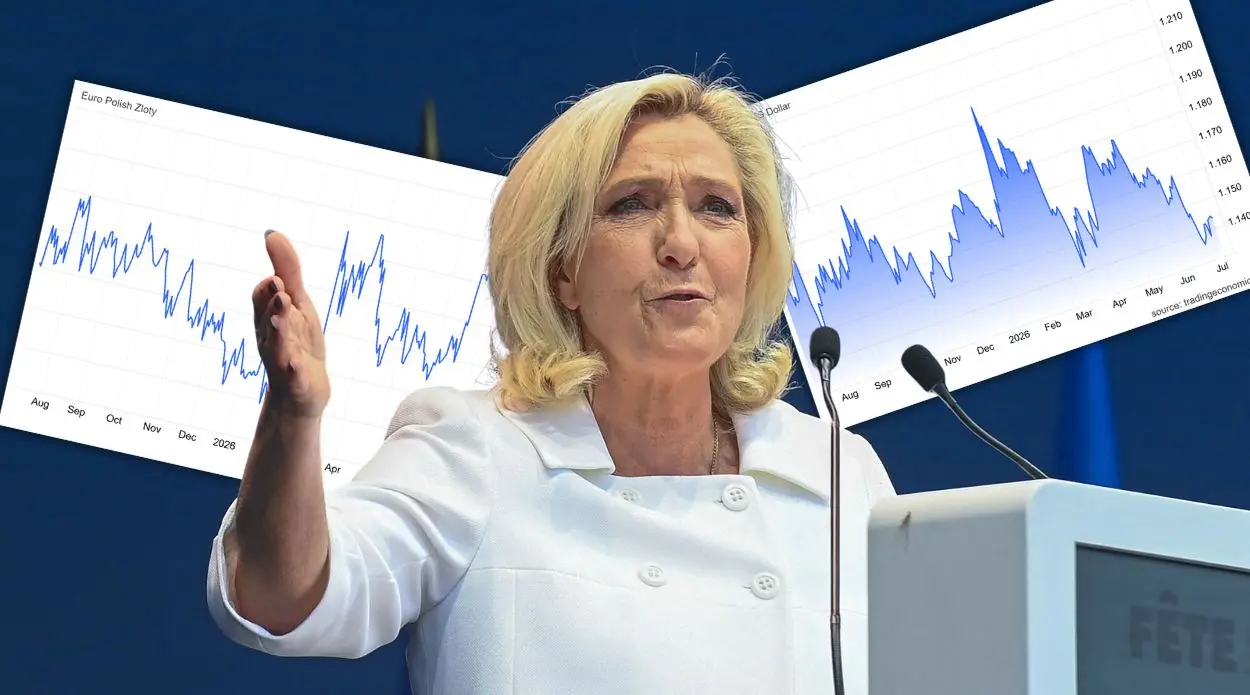
The zloty, with an empty domestic macro calendar, followed shifts in the base markets, and the USDPLN ultimately failed to pull away from the support zone ending near 3.74.
Euro rate – forecast for the coming days
We do not assume that the data on May industrial production from Germany, published on Tuesday, will have a significant impact on the euro rate, and indirectly on the zloty.
In our view, investors will remain focused on expectations regarding central bank monetary policy and the commodity prices that influence it, including oil, which ended Monday with modest declines.
After Monday, our expectations for this week regarding the main PLN pairs have not changed.
We assume a stabilization of EURPLN in the 4.28–4.30 range and see a risk of higher USDPLN levels due to the expected global strengthening of the dollar.
Domestic interest rate market
In the domestic interest rate market, the start of the week brought a slight increase in Polish bond yields. Given the empty macroeconomic data calendar and the lack of significant events, we may have seen a realization of gains built up in recent weeks.
On Tuesday, sentiment in the domestic debt market should not change significantly. In the base scenario, we assume bond prices to remain unchanged. Later in the week, the Polish market should receive support from the RPP, which, under global trends, may decide to slightly soften its rhetoric.
Therefore, we assume that this week the yield curve of bonds may shift down by about 5–10 basis points. For Polish 2‑year bonds, this would mean a yield drop to around 3.95%, and for 10‑year bonds to about 5.15%.
Will June inflation open the door to rate cuts in Hungary?
Attention of investors in the CEE region on Tuesday will instead focus on inflation data releases in the Czech Republic and Hungary. Consensus expects readings in both countries at 1.8% year‑over‑year in June.
Given the high interest rates in Hungary (after the last cut the main MNB rate is 6.0%), signals of falling inflationary pressure increase the probability of easing monetary policy.
At the last meeting, the MNB president highlighted the room for further cuts even during the summer months.
With stable monetary policy in other CEE countries, Tuesday's publication may support a relative strengthening of Hungarian bonds.
In this context, it is also worth noting that 5‑year CDS contract spreads for Hungary have fallen in recent weeks to just 72 basis points, while for Poland they are around 55 basis points. Such a narrow spread has not been seen since 2022.