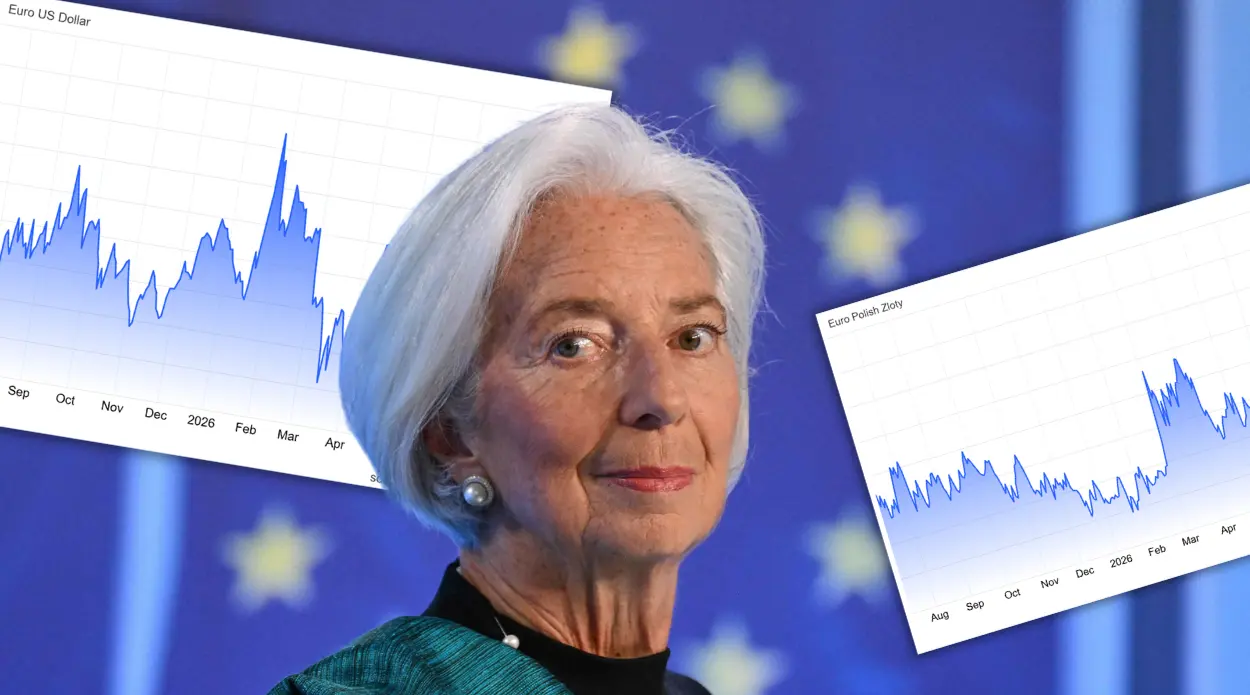
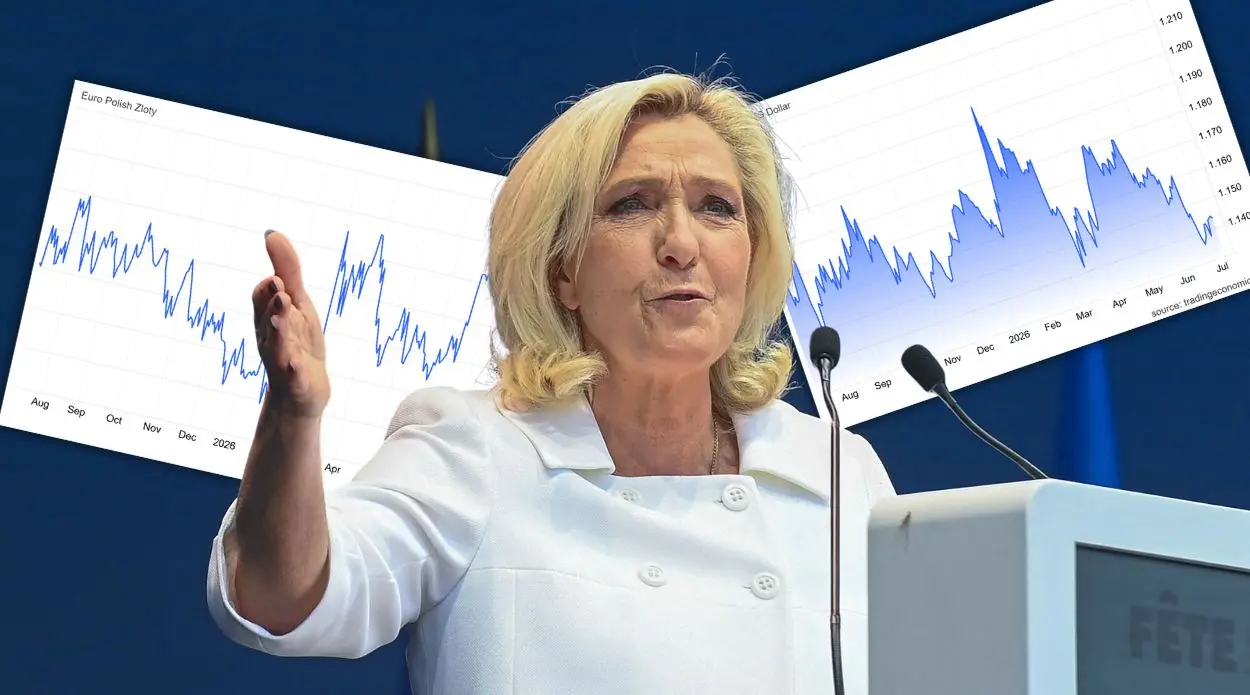
The national currency remained mainly influenced by global factors and base market trends, and the mixed domestic economic data had no noticeable impact on EURPLN and USDPLN.
The zloty was supported by falling oil prices, which remain strongly negatively correlated with it in the current supply shock. Emerging market currencies were also helped by the persistent appetite for risk, mainly visible in equity markets.
The globally strengthening dollar, supported by rising expectations of Fed rate hikes and better-than-consensus U.S. economic data indicating resilience to worsening global conditions, acted in the opposite direction. However, the scale of changes on the main PLN pairs was too small to alter the trend structure.
EURPLN remained in a short- and medium-term sideways trend, and USDPLN reversed from the significant resistance zone 3.66–3.68, tested mid‑week.
In the base markets, EURUSD defended important support at 1.1570, although the style of this defense is judged as unconvincing.
Euro rate – forecast for the coming days
The new week will start with reduced liquidity in the markets due to holidays in the UK and the USA. Although the macro calendar, both locally and globally, is not empty, in our opinion the key influence on oil prices, risk appetite, and dollar behavior will still be the development of the situation in the Middle East.
Continuation of peace talks amid persistent divergences in positions should support the stabilization of rates EURPLN and USDPLN respectively in the ranges 4.24–4.26 and 3.65–3.68.

Increased real chances of a U.S. agreement with Iran, which markets began to price after weekend reports on Monday morning, could open space for a clearer strengthening of the zloty – towards 4.22 on EURPLN and 3.59–3.60 on USDPLN.
On Friday, domestic SPW yields changed in the range -4/-5bp. In the 10‑year segment, yield fell by 5bp to 5.88%, while on base markets U.S. Treasury yields remained around 4.57%, and German Bund yields fell by 7bp to 3.03%.
Government bonds – yield forecast

The past week began with rising yields that temporarily reached multi‑year highs in many markets. Historically high levels at the ultra‑long end of the curves were particularly concerning for market participants, signaling growing concerns about price stability, worsening fiscal conditions in major economies, and the consequences of a prolonged energy shock. Additional drama was added by U.S. President D. Trump’s comment about a temporary pause in the decision to launch a second military attack on Iran.
The lack of signs of a rapid military escalation and ongoing attempts at diplomatic breakthroughs in the Middle East – despite their limited effectiveness – allowed investors in the second half of the week to view the market in a somewhat more optimistic light. This was aided by a partial retreat of Brent oil prices to around 105 USD per barrel and the ongoing expansion of profits in the artificial intelligence sector. Macro data served more as a backdrop for market dynamics, primarily driven by developments in the Middle East.
On the domestic SPW market, weaker-than-consensus readings of industrial production and wage dynamics in the corporate sector further supported yield declines in the second half of the week.
Limited liquidity due to Monday’s U.S. holiday may strengthen the impact of weekend Middle East reports on debt market valuations. Information suggesting progress in peace talks with Iran should favor further yield declines.