Core inflation remains close to 3%. The Fed stays in a wait‑and‑see mode. Our baseline scenario assumes no rate changes in 2026 and possible cuts only at the beginning of 2027.
The consensus GDP growth forecast for 2026 was lowered from 1.1% to 0.8% year‑over‑year, along with a drop in PMI indices to levels suggesting a recession. The labour market remains stable, but employment stops growing.
Inflation rose to about 3% and will stay at an elevated level in the coming months. The ECB keeps rates unchanged, but market expectations have shifted toward hikes in the second half of the year. June could be a turning point, although the bank’s communication indicates limited room for tightening.
GDP growth slowed to 3.4% year‑over‑year in Q1. We expect a rebound to 3.6% in Q2 and 4% in the second half of the year. Overall growth for 2026 will be 3.7%. Consumption remains stable thanks to real incomes, and investment will accelerate with EU fund utilisation, although some projects may be delayed by global uncertainty. The labour market remains stable, and wage pressure is moderate.
Inflation rose to about 3.2% and in the coming months will oscillate close to 3.5% year‑over‑year; core inflation will remain above the NBP target (about 2.7–3.0%). RPP keeps rates unchanged (3.75%) and under the current inflation scenario there is no pressure to change them.
Foreign‑exchange market
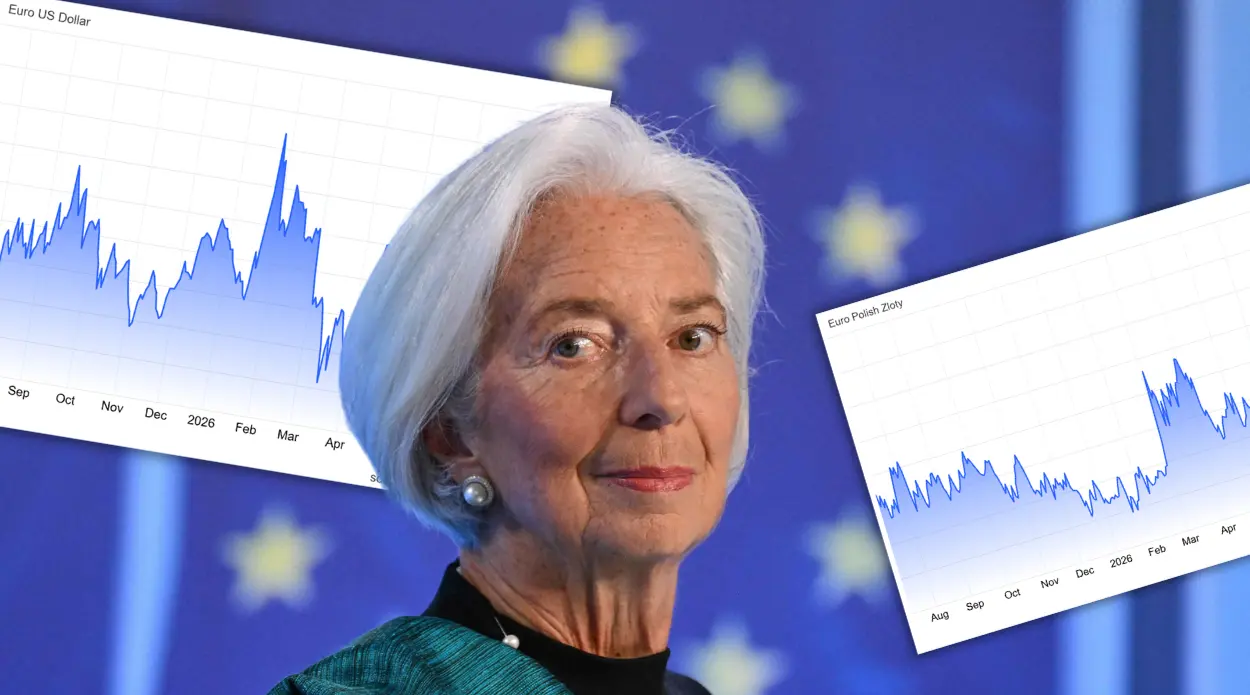
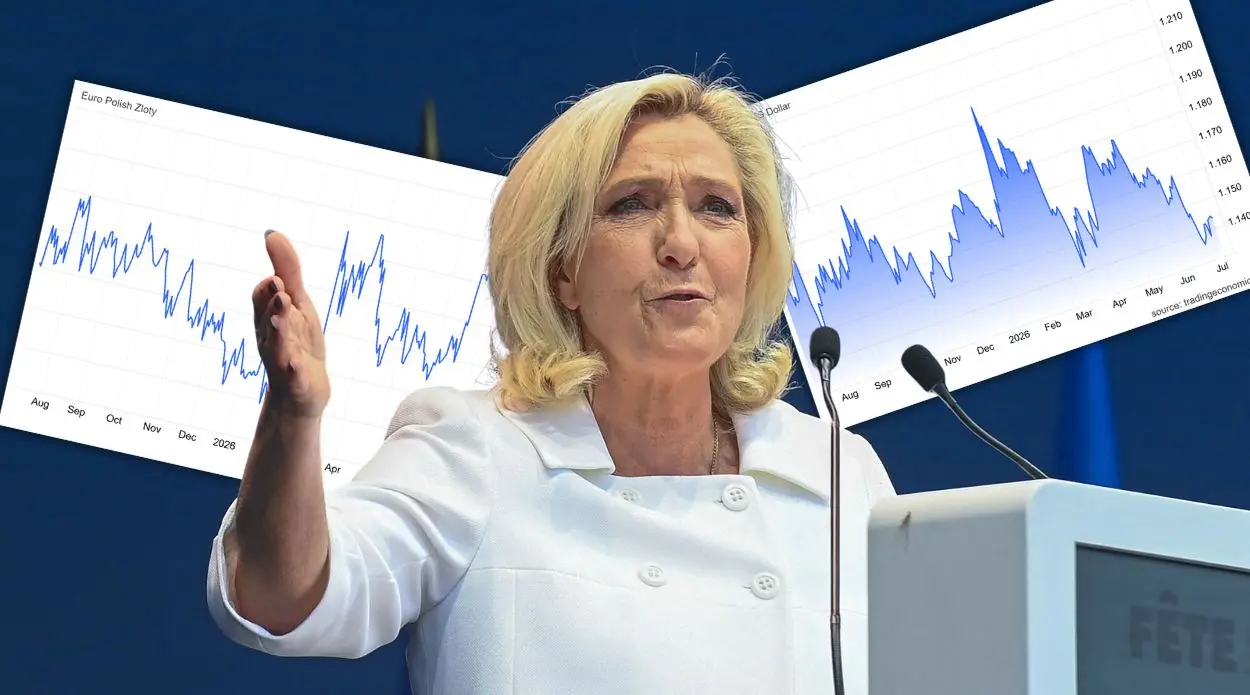
The EURUSD rate remains in a sideways trend.
The impact of sentiment changes is limited, and the main transmission channel is bond yield changes. The EURPLN rate rose only moderately against the backdrop of historical risk‑off episodes, suggesting relative resilience of the zloty.
At the same time we point to its overvaluation and expect a gradual weakening in the medium term. The scale of depreciation may be partially limited by actions of the Ministry of Finance related to the exchange of EU funds.
The EURUSD entered a period of fluctuations in a sideways trend. The currency reacts only slightly to sentiment changes, with bond yields remaining the main transmission channel. In the coming quarters we expect further dollar depreciation on the wave of policy driven by the White House and the Donald Trump administration.

EURPLN quotes rose slightly since the start of the war in Iran. Reaction to increased global uncertainty is however moderate and much weaker than historical episodes. In our view the zloty is increasingly overvalued.
Therefore in the coming quarters we expect a continuation of the domestic currency’s depreciation. The rise of EURPLN may be limited by potential activity on the MF side, involving the direct exchange of EU funds in the market rather than at the NBP. We emphasise that at this moment most operations are conducted at the NBP. This means the MF has much greater room to strengthen rather than weaken the zloty.
Meanwhile, the last direction would seem more desirable from a policy perspective, given the difficult global trade situation and the recently observed significant real strengthening of the zloty measured by the effective exchange rate (i.e. to all currencies important for Polish trade).