CAD: Dovish risks today
As the BoC announces policy today, the chances of a cut appear quite low – as discussed in our preview – but the risks in our view are tilted to the dovish side. The BoC Business Outlook shows limited pass-through from tariffs to Canadian consumers but signs of slower hiring, investment and consumer demand.
Then, there is the crucial point of US-Canada trade negotiations. From what has been reported, both Canadian and US officials think progress has been lacklustre. And while we know that the market's baseline expectation is that trade deals will ultimately be agreed, the EU experience (and its spillover into EUR/USD) suggests the conditions of those deals aren’t secondary for the FX impact.
Given how conservative BoC pricing is and economic/trade risks, we expect today’s BoC meeting to generate some dovish repricing and add pressure on CAD. We continue to target 1.39 this quarter for USD/CAD.
CEE: Weaker euro exposing regional vulnerabilities
Local developments were quiet during the first half of the week but very busy in markets. Today, we should see the first macro numbers in CEE this week. This morning, GDP numbers in Hungary for 2Q were released showing a slight increase of 0.4% QoQ and an improvement from the decline in Q1 (-0.2%). Later today, we will also see numbers in the Czech Republic. We expect a 0.4% QoQ increase in line with market and CNB expectations but the range of estimates is 0.2-0.5% QoQ. The first estimates do not show much detail in CEE but should at least show us how resilient the economies are to the US trade story.
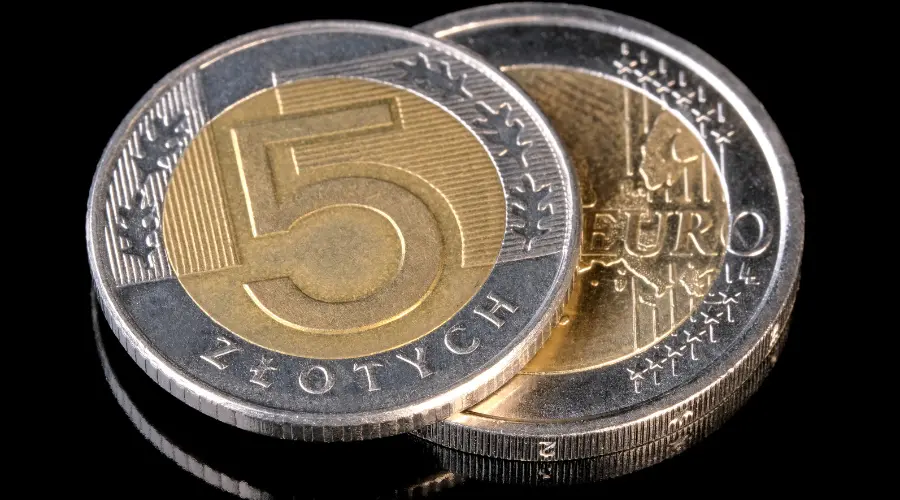
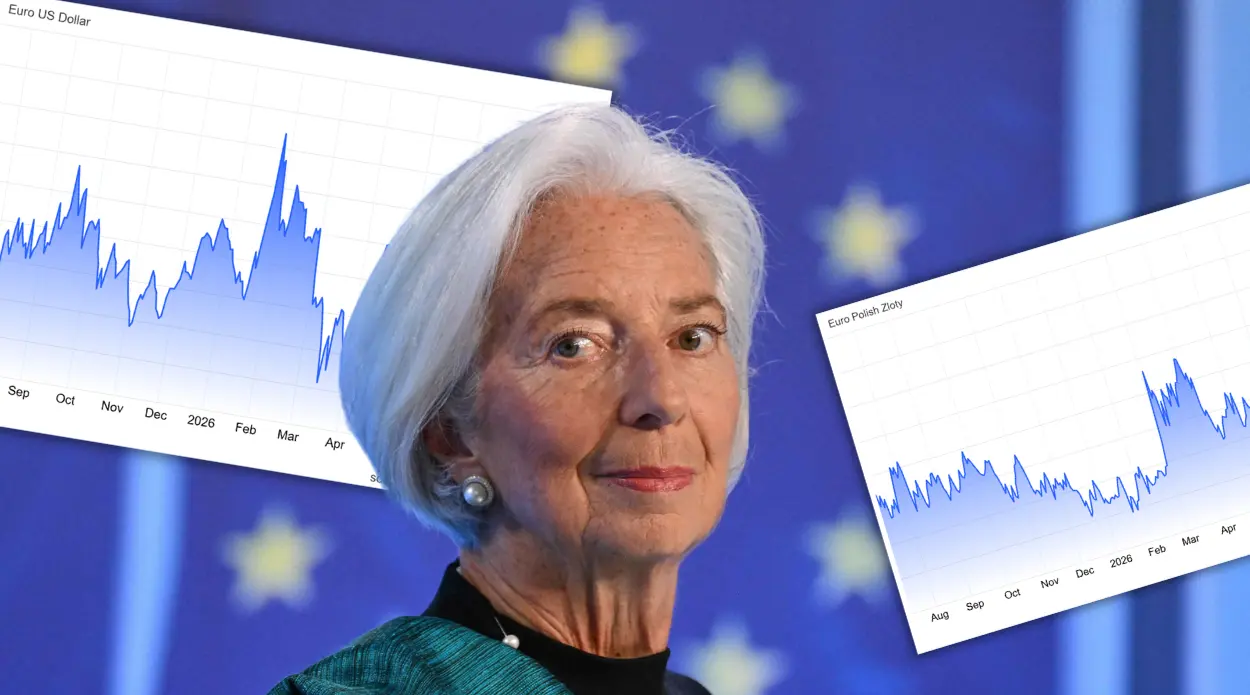
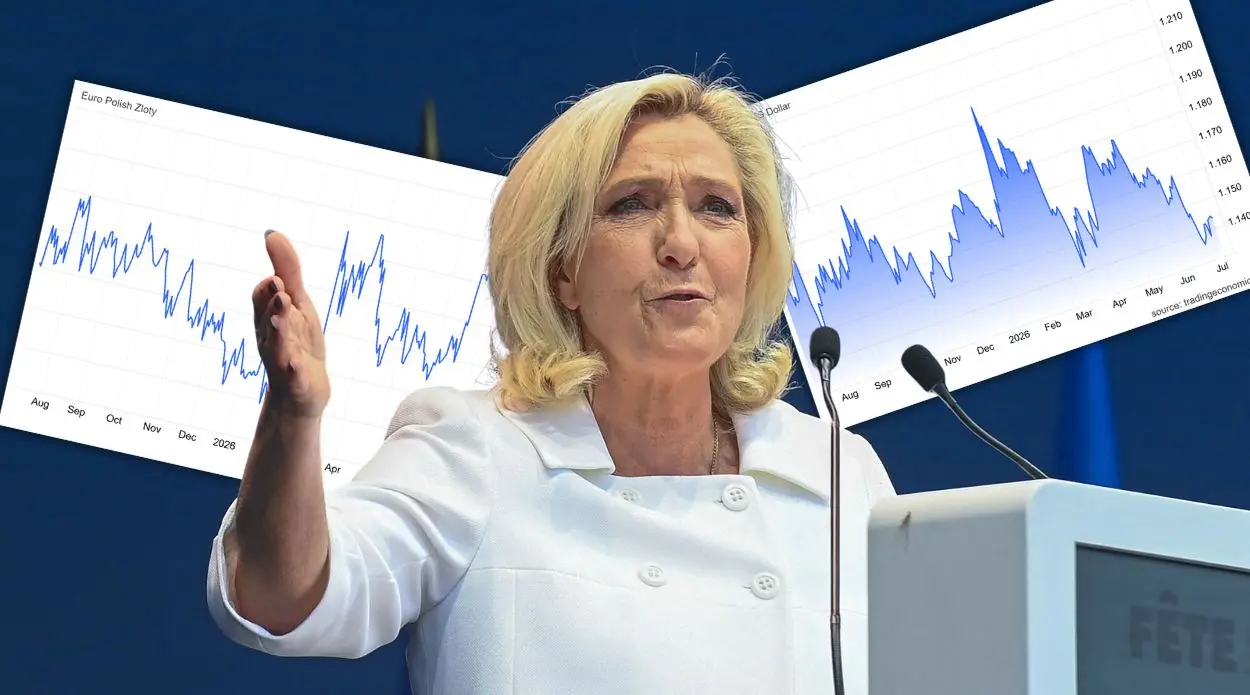
CEE markets were catching up with the sell-off in EUR yesterday. EUR/HUF saw the biggest one-day move since April and EUR/PLN since early June. While EUR/HUF only returned to mid-July levels, the EUR/PLN story seems more interesting. We've seen PLN as overvalued here since the July NBP rate cut and yesterday we could see essentially full closure of that gap vs rate pricing. With levels above 4.280, EUR/PLN has thus returned to early June levels and also our target which we discussed previously here. For now, there is probably little room for further PLN weakness. On the other hand, Thursday's inflation shows a dovish risk in our view, which could open more room for EUR/PLN upside. Thus, we remain bearish on PLN, but most of the space has already been used in our view.