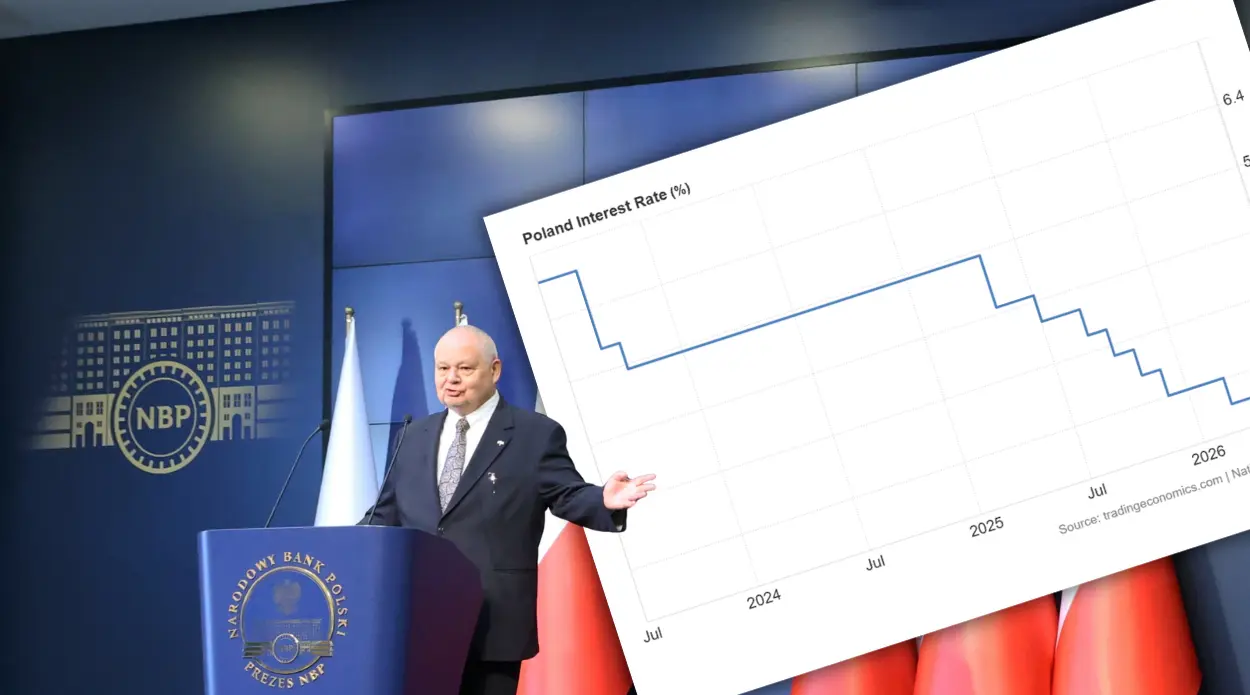
Interest rates unchanged
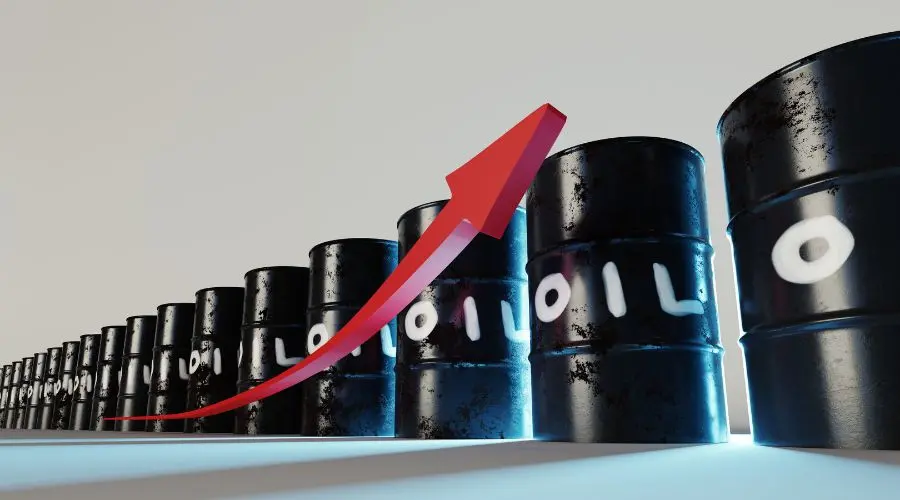
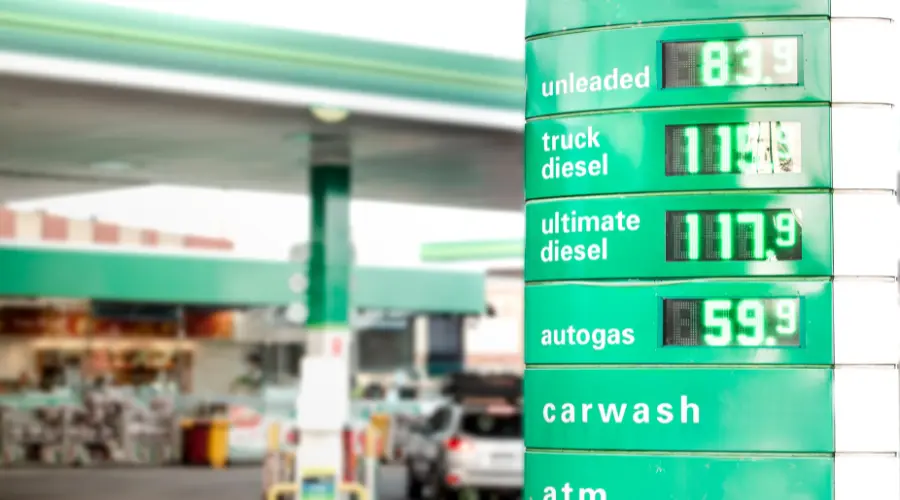
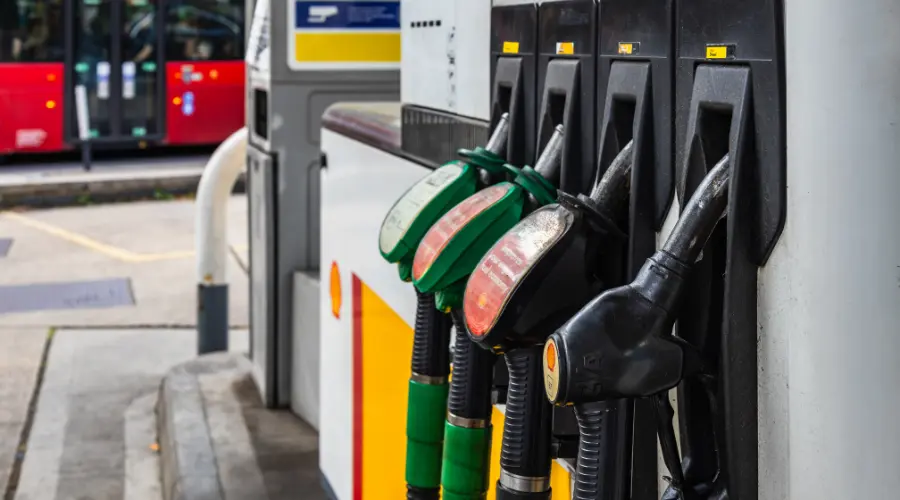
In the post‑meeting statement, the Council again noted that "as a result of supply constraints related to the conflict in the Middle East, global fuel prices have risen". According to the Council, "given the tense geopolitical situation, global activity and inflation prospects have deteriorated and remain uncertain". The Council assessed that the rise in inflation from 3.0% year‑on‑year in March to 3.2% in April (according to preliminary GUS data) was mainly caused by higher annual fuel price dynamics linked to the Middle East conflict.
>> Also read: Orlen shares attacked by bears, Mostostal shares make up for losses
The Council again emphasized that inflation and economic activity prospects in Poland "are currently influenced by changes in the macroeconomic environment surrounding the Polish economy, including changes in commodity prices and global inflation in the context of geopolitical conditions". The Council again presented the main risk factors for inflation prospects, which are "the shape of fiscal policy and regulations concerning fuel prices, as well as changes in the dynamics of activity in the Polish economy and further shaping of wage dynamics".
No room for rate cuts
The content of the post‑meeting RPP statement supports our scenario, according to which NBP interest rates will remain unchanged for an extended period. We maintain the assessment that the Middle East conflict will contribute to a long‑term rise in oil prices, which will stay significantly higher than before the conflict in the coming quarters.
We still expect that, assuming the continuation of the fuel market intervention mechanism (reduced VAT and excise duty and maximum price), inflation will stay in the 3.0–4.0% year‑on‑year range in the coming months, and reach a local peak of 4.1% in December (see MAKROmap on 06.04.2026).
Higher inflation will be a factor limiting domestic demand growth, but its dynamics in the coming quarters, supported by rising consumption and investment revival, will be high. Consequently, we maintain our forecast for NBP interest rates, which will remain at the current level until the end of 2027.
Probability of a signaling rate hike is increasing
However, we see significant risk of a one‑off "signaling" rate hike in the second half of 2026, aimed at stronger anchoring of household and firm inflation expectations, acting to reduce wage pressure and limit the risk of secondary inflationary impulses (the so‑called second‑round effects). We believe the probability of such a hike has increased after the release of preliminary April inflation data, signalling a clear rise in core inflation (see MAKROmap on 04.05.2026).
Our rate forecast carries significant uncertainty regarding the further course of the conflict in the Persian Gulf region and shipping security in the Strait of Hormuz, which may remain limited despite de‑escalation of hostilities. Tomorrow there will be a press conference by A. Glapiński, which will likely shed more light on monetary policy prospects.
The RPP's decision today to keep rates unchanged and the post‑meeting statement are, in our view, neutral for the zloty and Polish bond yields.