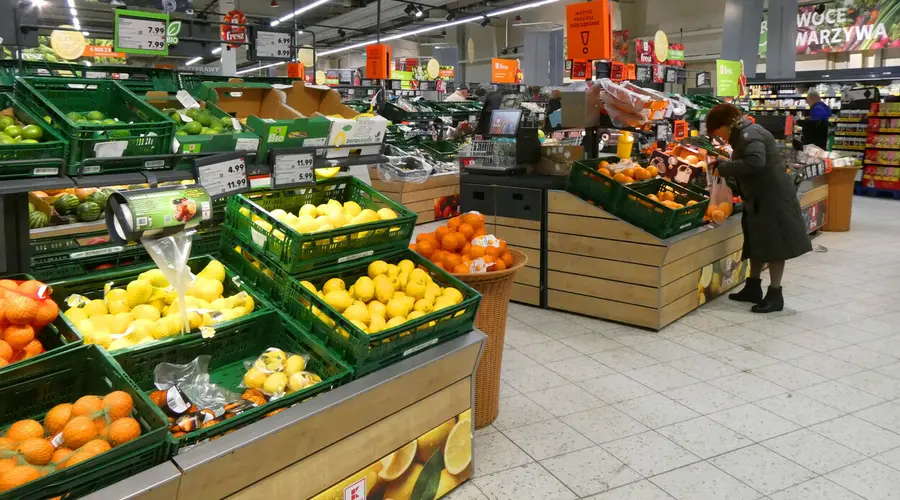
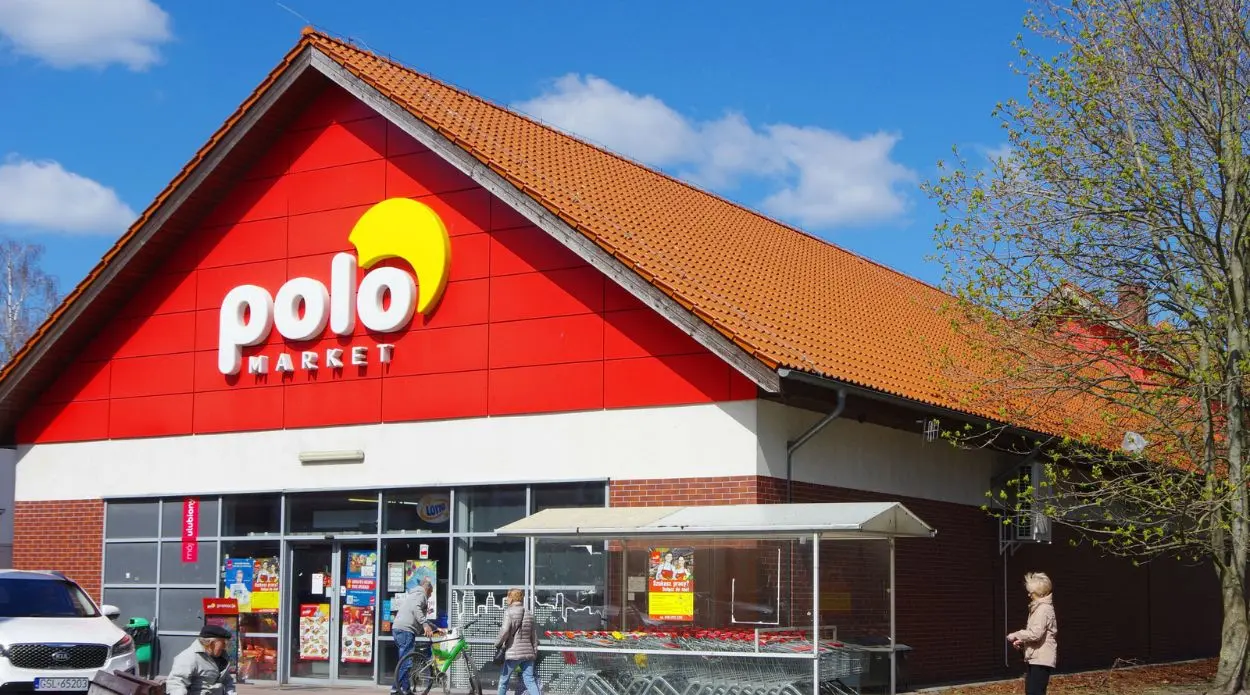
In 2020, the Office of Competition and Consumer Protection (UOKiK) opened proceedings against two retail chains: Kaufland and Jeronimo Martins Polska, the owner of Biedronka stores. In both cases, the allegations were similar: incorrect labeling of the country of origin for fruits and vegetables. A significantly higher penalty was imposed on the second entity, the owner of Biedronka, amounting to 60 million PLN. This penalty had already become final. Until now, Kaufland had been in dispute, refusing to accept the UOKiK decision. Ultimately, it will have to pay the previously indicated fine, namely 13.2 million PLN.
The store misled customers
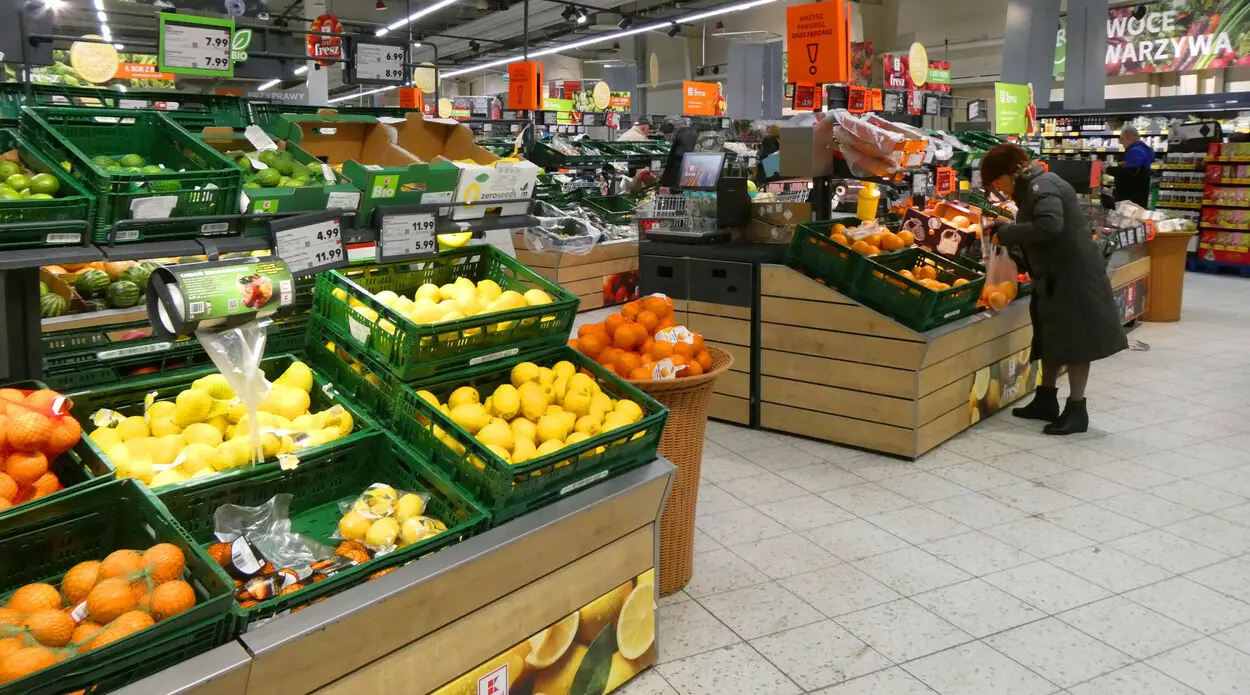
Before imposing the fine, UOKiK conducted a control in 71 Kaufland stores, which represented about 30% of all chain outlets. Non‑compliance was found in 27 of them, i.e. in 38% of inspected locations. The inspectors’ comments highlighted incorrect labels regarding the origin of fruits and vegetables, which could mislead consumers. And that was not the only accusation. After a year, inspectors returned to Kaufland, and the number of inaccuracies was even higher. At that time, nearly 44% of inspected outlets were found to have incorrect country‑of‑origin labeling for fruits and vegetables.
The result of these proceedings was the mentioned fine of 13.2 million PLN. The company, however, disagreed with the UOKiK decision, so it decided to pursue its case in the appellate court.
“Reliable and truthful product information is one of the most important consumer rights. During our proceedings it was confirmed that customers of Biedronka and Kaufland stores did not have clear information about the origin of vegetables and fruits. A different country appeared on the sign, and another on the packaging. The actions of UOKiK and inspections by the Trade Inspection ensured that, in most cases, signs in stores now correctly inform about the country of origin of vegetables and fruits. For many people it is important to support Polish suppliers and choose Polish products, therefore stores should not mislead consumers,” said the UOKiK President Tomasz Chróstny, quoted in the statement.
The Office informed that a binding judgment has been issued in this case. The appellate court, which dealt with Kaufland’s appeal, concluded that the chain had no right, and the fine imposed by UOKiK was correctly applied.
“Decision in the Kaufland case is final. Likewise, the earlier decision regarding the owner of the Biedronka chain, where numerous errors in labeling were also found. Importantly, after the actions of the UOKiK President, the scale of inaccuracies significantly decreased. Trade Inspection checks in 2025 showed that cases of improper labeling were rare.” – UOKiK announced.
The scale of inaccuracies is significantly lower
The Office of Competition and Consumer Protection informed that the situation in both retail chains, which were recently fined, has improved significantly.
“In the third and fourth quarters of 2025, Trade Inspection staff again checked whether inaccuracies still exist. They questioned 1.5% of inspected batches” – UOKiK reports.
It is worth noting that this is far less than in 2020, when Trade Inspection staff found inaccuracies in 24.7% of batches that were inspected in Kaufland stores.

Source: uokik.gov.pl.
The situation has improved significantly in Jeronimo Martins Polska as well, where the percentage of questioned batches fell from 29% to 0.23%.
See also: Smartphones instead of cash registers. A new idea from the Ministry of Finance