Key takeaways from the new inflation projection
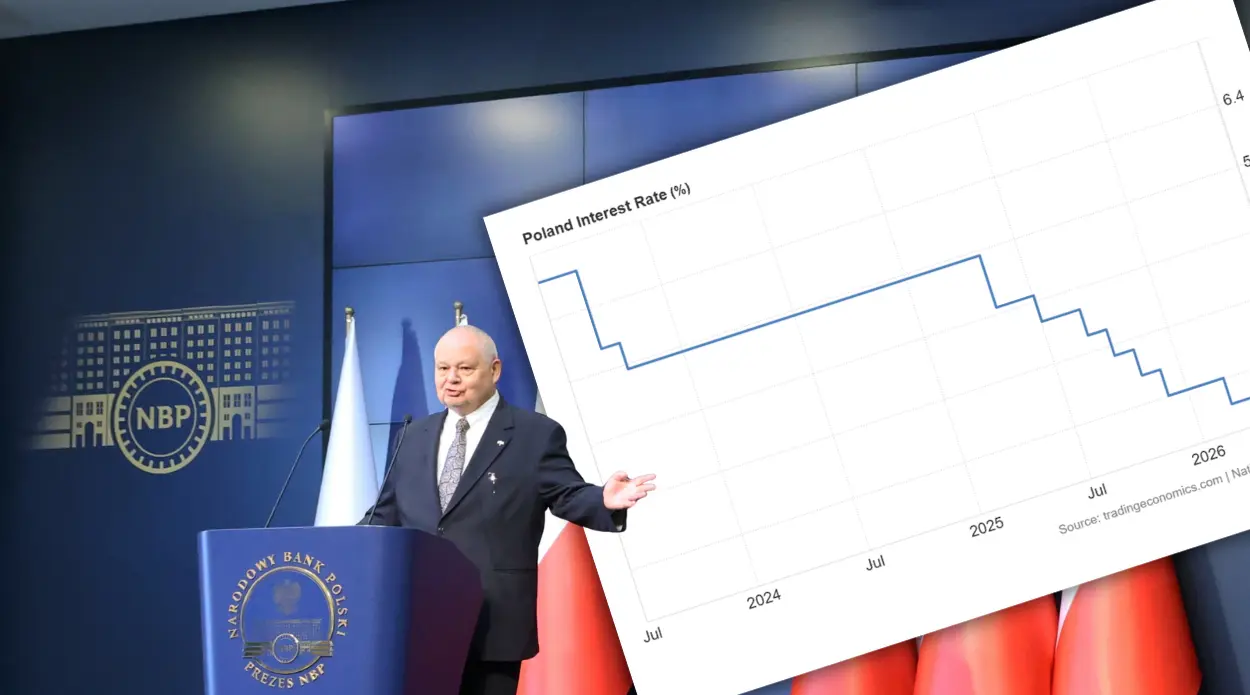
In the accompanying statement, we learned the key takeaways from the new inflation projection. According to it, GDP growth in 2026 with a 50% probability will be in the range 3.0-4.4% (vs 3.1-4.7% according to the March projection), in 2027 it will reach 1.8-3.7% (2.0-3.8%) and in 2028 1.9-4.1% (1.8-4.1%). The inflation projection has been revised upward, mainly in the near term, to 2.4-3.3% in 2026 (from 1.6-2.9%), to 1.5-4.0% in 2027 (from 1.1-3.7%) and inflation in 2028 is expected to be 0.8-3.9% (0.9-4.0%).
The projection therefore indicates that the rise in inflation, mainly triggered by the Middle East crisis, will be temporary, and by 2027 inflation will permanently return to the inflation target. Details of the projection will likely be known on Friday or Monday.
The rest of the statement remained largely unchanged. The MPC noted a decline in energy commodity prices in the last month, highlighted increased uncertainty about the development of inflation and economic growth worldwide, pointing out that the external environment, including commodity price formation, will be particularly important for future interest rate decisions.
Inflation in Poland – forecast for the coming months
Our inflation forecast (chart below) assumes that by the end of this year CPI inflation will reach a peak close to 4% year‑on‑year – this, in the near‑term perspective, closes the space for rate cuts, but also does not imply a need to tighten monetary policy.
In 2027 we expect inflation to decline, ultimately to about 2% year‑on‑year, which, according to us, will open the space for rate cuts in the middle of next year.
The projection, with a slightly lower inflation than our forecast in 2026, and a slightly downward revised growth path, in our view, supports this scenario and may lead to growing market expectations for cuts in 2027.

The stabilization of the situation in the Middle East, which would set such an inflation path and space for cuts, remains uncertain, as recent events strongly indicate.
Based on government statements, we assume that in a potential black‑box scenario of a conflict restart and another rise in oil prices, the government would again stabilize fuel prices. This would mean that a negative scenario could delay rate cuts, but should not necessitate tightening monetary policy.