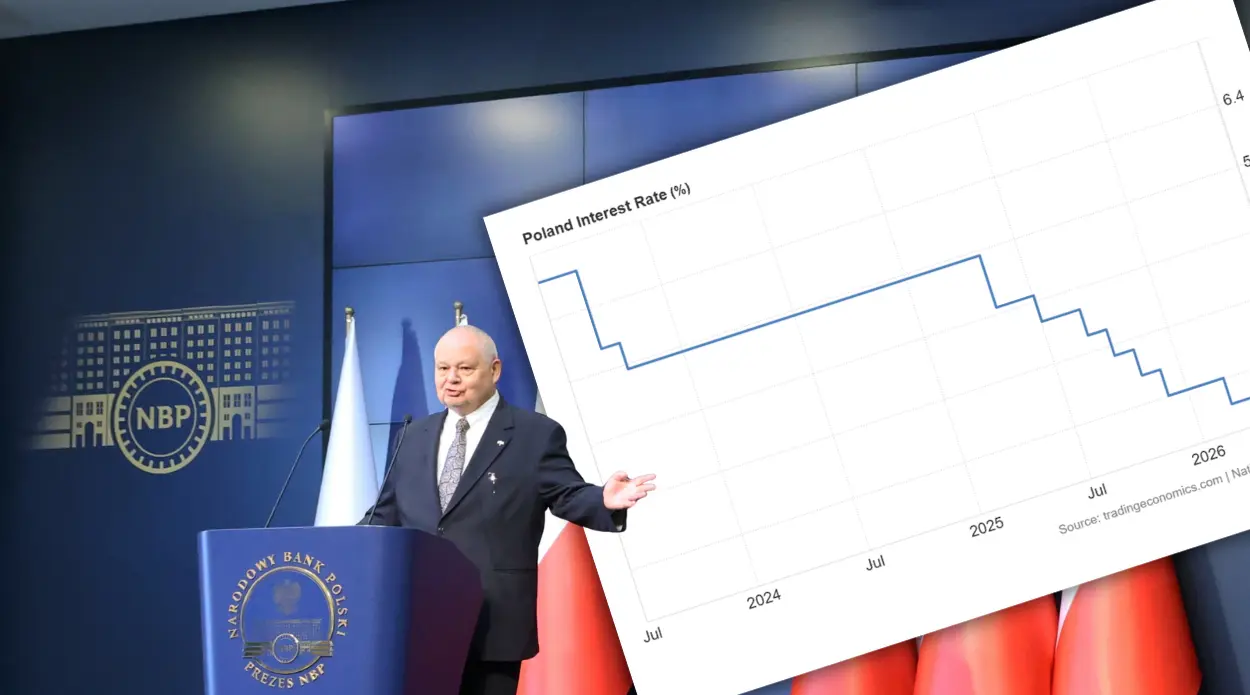
All because of the lack of an appropriate amount of money allocated from the state budget for higher education. Poland currently allocates 1.5% of GDP to science and education. This is far less than the EU average of 2.2%. This is even though spending on this goal increased to 3.5% in 2026.
The lack of sufficient funds is the reason why some scientific projects cannot develop to the necessary extent and pace. And if there were more money, the results of scientists' work could be greater.
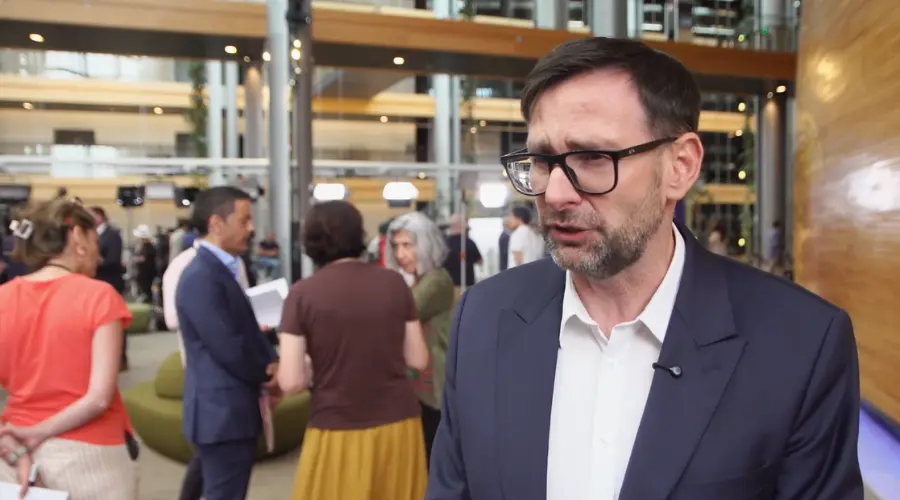
This could change, but partly the blame lies with the universities themselves. As stated by the Minister of Science and Higher Education Marcin Kulaska to the portal wnp.pl, Polish universities insufficiently tap into EU funds. From just one Horizon Europe program, of which Poland as an EU member pays 3%, our country recovers 1.75%. That does give a sum of 1 million euros, but as Marcin Kluska noted, that amount should be higher, because we do not even recover a similar amount to what we contribute to the program.
Poland versus German technology
The fact that more money could enable specific actions was proven by scientists from Lublin, Świętokrzyskie and Rzeszów polytechnics. Together they created a prototype hybrid engine that can be mounted on military vehicles such as the Krab and Borsuk. According to the scientists, the design uses 20% less energy than the MTU engines from Germany currently used in Polish military vehicles. Moreover, Polish engines are expected to be much cheaper than those produced across our western border. Respectfully, instead of 12 million PLN, their cost could be 3 million PLN.
According to the inventors, to reach the technological level that would allow mass production of the engine, 20 million PLN is needed. The question is whether this money will be found? Will the Polish government decide to support Polish science and then stop buying from Germany?
Science needs promotion
The lack of sufficient funds is only part of the problems Polish science faces. Another is the interest of young people in science and the desire to pursue studies. And without qualified staff even the biggest money will not help.
This is a problem that the Minister of Science and Higher Education Marcin Kulasek discussed with the portal wnp.pl. He emphasized that actions are still being taken to change this. Among them he mentioned meetings of a Polish scientist, participant of the space mission of Sławosz Uznański‑Wiśniewski with students. Under the slogan “Poland reaches for the stars” these took place at universities across Poland. In total, as the minister said, 13,000 students were supposed to participate. These actions – as he admitted – were meant to lead to a 35% increase in interest in space-related fields.
Poland must invest in modern technologies
Not only space research needs to develop in the coming years so that Poland does not fall behind other European countries. In a conversation with wnp.pl, Marcin Kulasek stated that Polish universities must develop fields where future specialists will be trained in Industry 4.0 and 5.0, as well as in the IT industry, artificial intelligence, including cybersecurity, and material engineering. This is extremely important because qualified workers in these professions will be needed in the labor market and will also guarantee the development of the Polish economy and the security of our country in the future.
See also: Only 3% of young Poles think about starting their own company. Is this a new trend or bad government policy?