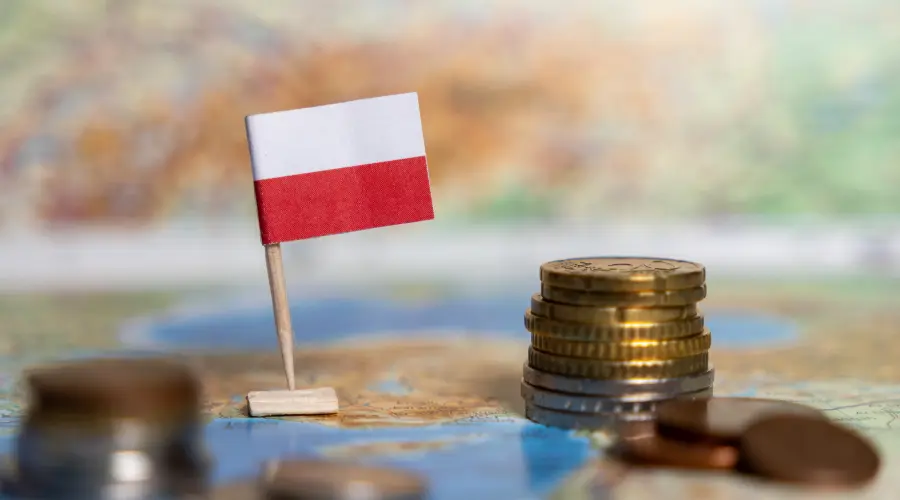
Poland performed worst among 51 countries in terms of willingness to start a business. Only 3% of Poles consider such an option – according to the Global Entrepreneurship Monitor Poland 2025 report. This is a concerning trend that could bring significant consequences for the Polish economy.
Young Poles prefer full-time employment
Running a business a few years ago was a marker of social status. Now that has changed. Operating a business is now associated with problems, long hours of work, even on weekends, and a great deal of responsibility that young people often do not want to bear. This makes full-time employment the most sought-after option for many Poles. It signals stability, steady earnings that in some companies are high, allowing a decent life, and many benefits that companies offer to attract specialists. Additional benefits include paid leave, social benefits, and pension contributions that do not burden the household budget, unlike running a sole proprietorship.
Experts assess that Poles not wanting to start their own companies is not a sign of declining entrepreneurship in Poland, but rather the opposite. They point out that Poles are becoming more aware and often choose a career path that is more advantageous for them. One that provides stabilization without unnecessary problems that arise when running a company, such as administrative burdens that also increase costs.
The government is not helping, and the consequences could be large
Among the arguments against running a business, young people often cite examples of their parents who complain about paperwork and the ever‑increasing costs of running a company in Poland. This is largely due to government decisions that annually increase taxes and contributions.
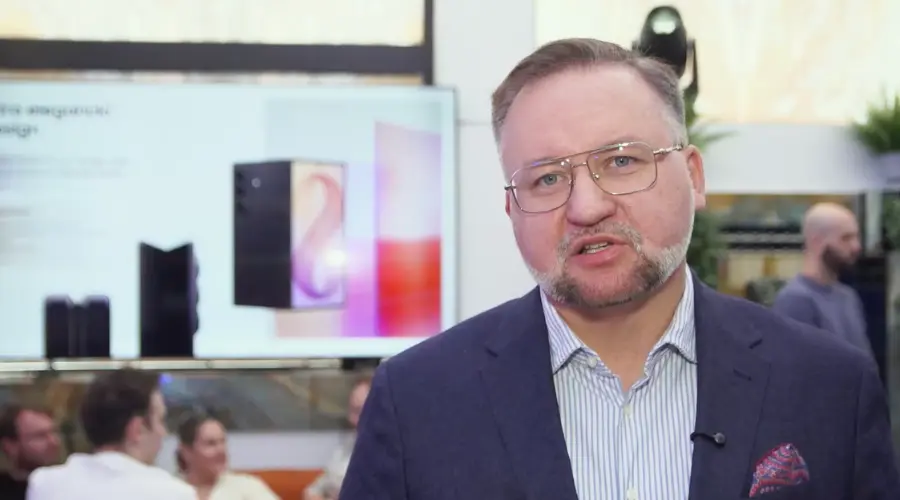
“Running a micro‑enterprise in itself is a very good idea. However, ZUS contributions, i.e., social insurance and the health contribution that has become a kind of tax, cause a drastic increase in the costs of running such micro‑businesses. As a result, it stops being profitable. Certainly, what is happening does not encourage people to engage in economic activity, i.e., leaving jobs and trying something on their own. Considering these rising ZUS costs, as well as other fees, such as higher electricity costs, I must say that running such a micro‑enterprise is not currently attractive” – notes Filip Kułanowski, business advisor and vice‑president of the Świętokrzyski Chamber of Entrepreneurs and Employers.
The consequences of such a situation – which the ruling party may not be thinking about at the moment – could be huge. A decline in the number of companies also means a future decline in enterprises that could theoretically offer jobs. When there are none, unemployment will rise, and the economy will slow down, which could affect the financial situation and standard of living of all Poles.
See also: Tax on “virtual” money. Controversial interpretation of tax regulations