Escalation of the conflict and the situation in the Strait of Hormuz
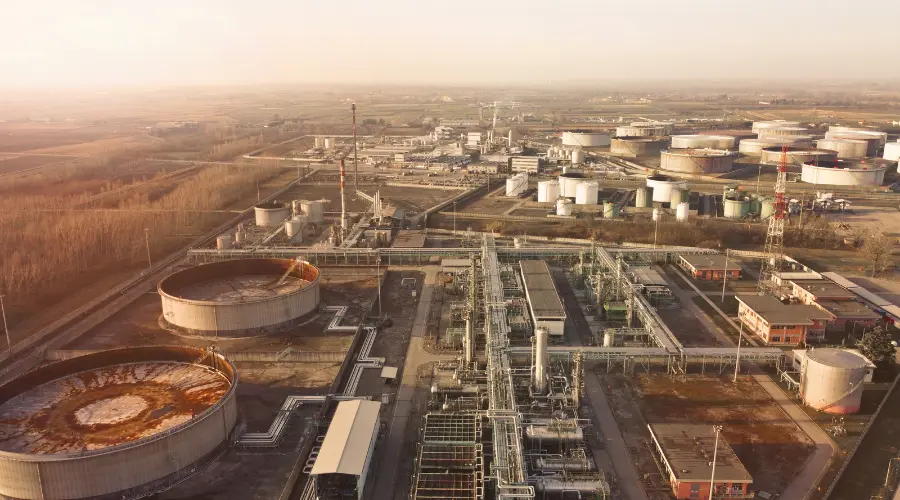
Over the weekend the United States and Iran exchanged another series of missile attacks. This time, in addition to strikes on ships, there were also attacks on oil infrastructure. Americans are currently blocking Iranian tankers, while Iran reports that it is again closing the Strait of Hormuz.
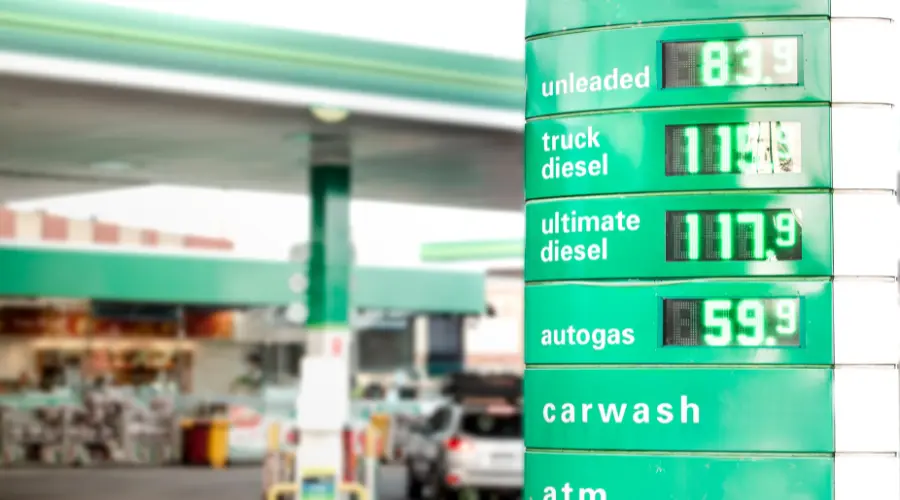
The official number of ships passing through this key region has fallen to its lowest level since mid‑June. At the same time, under the cover of night and with transponders turned off, the transport of oil and other products continues. This means that a complete blockade of the strait is unlikely, but the risk of prices returning to $100 per barrel remains very high.
Central banks face a new oil shock
The tense situation concerning the availability of oil and fuels worldwide, after a little over a month of relative calm, is causing markets to potentially fear inflation again. This is especially important in the context of the Federal Reserve’s plans under the new chief, Kevin Warsh, who has been more hawkish from the outset. It should be noted, however, that the current inflationary pressure is shock‑like and does not directly result from previous central bank actions.
Although investors hope for a quick resolution to the conflict, rising energy prices may also stamp on the prices of other goods and services, leading to entrenched inflation. That is why global decision‑makers are considering raising interest rates to dampen the energy shock. The Fed, ECB, and Bank of England are expected to take such a step in the fourth quarter of this year.
A surprising turn in NBP policy
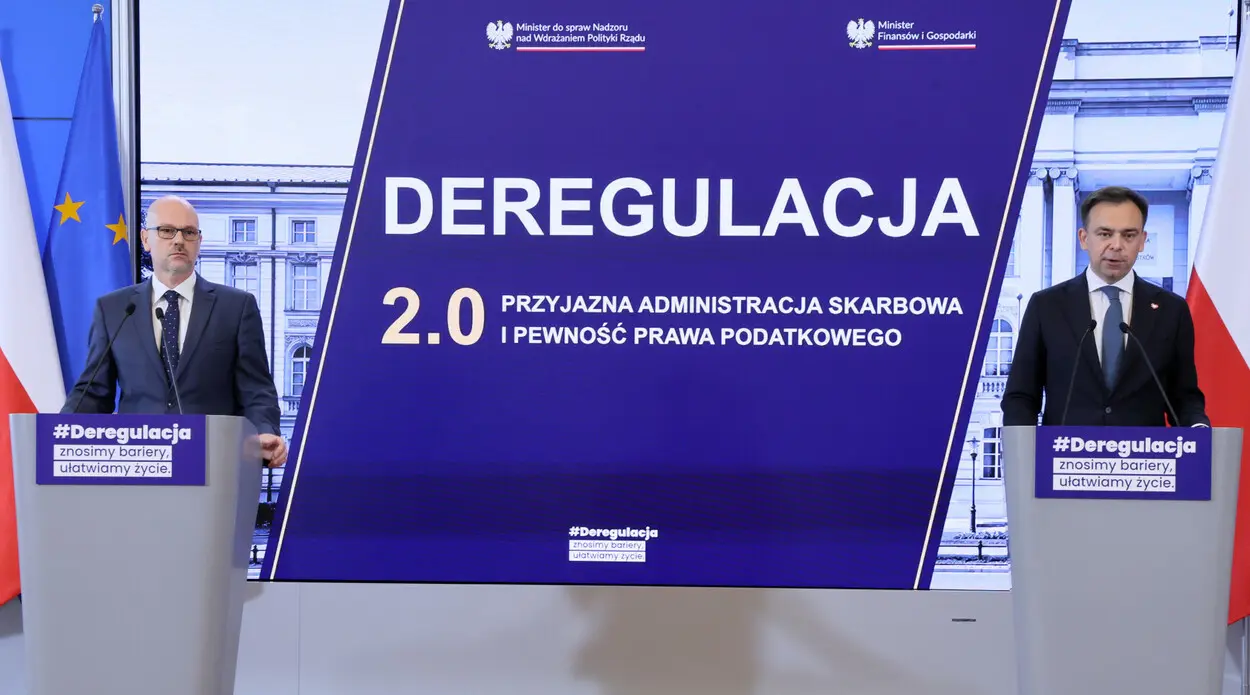
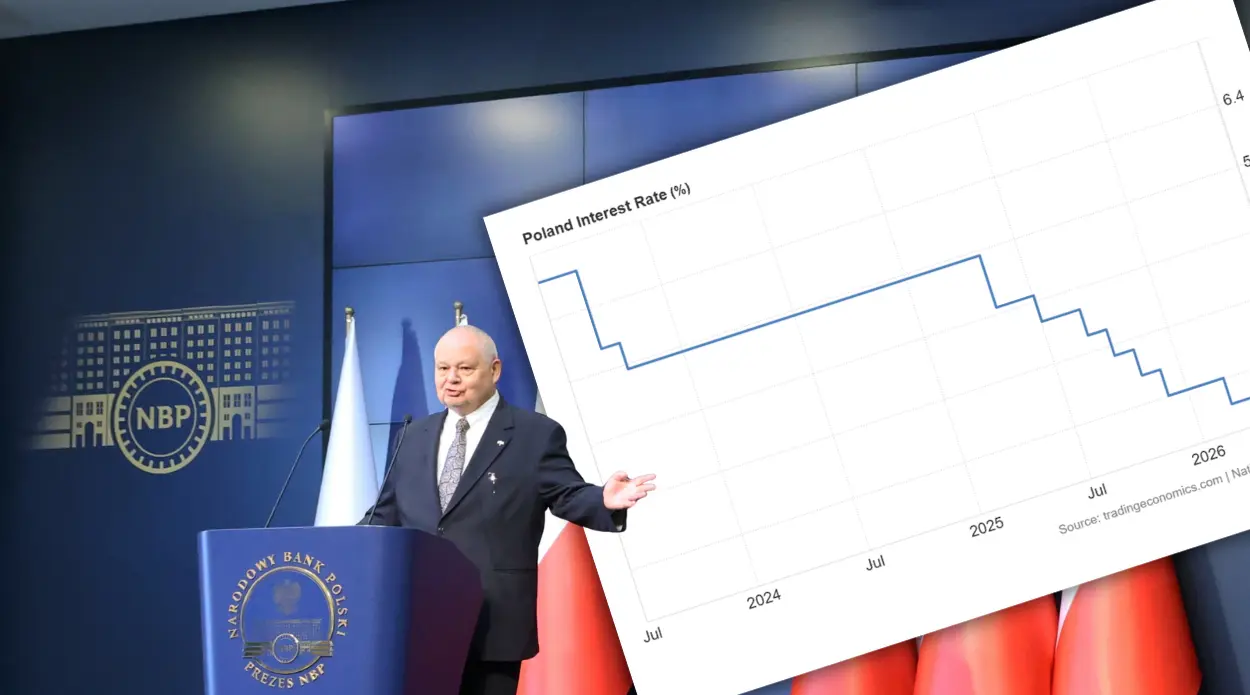
How does the domestic National Bank of Poland fare in this context? The latest press conference with Professor Adam Glapiński delivered a message completely different from the stance presented by Western central banks. During the speech, even announcements of a potential request to lower interest rates at the first meeting after the holidays were made.
Although price dynamics in Poland did not rise as strongly as some expected, inflation will remain clearly elevated in the coming months, mainly due to the return of a higher VAT rate on fuels. It is difficult to expect that, with inflation far exceeding the central bank’s target, the bank would decide to cut rates, especially given the unstable situation in the Middle East.
Prospects for the Polish zloty
The Polish zloty has clearly lost value recently, which was a reaction to the dovish turn of the NBP governor and pressure from the energy commodity market. However, if sentiment around oil calms and prices begin to fall, the zloty should recover losses against the major currencies.
Currently, shortly after 13 per dollar we pay 3.7795 PLN, for the euro 4.3214 PLN, for the pound 5.0657 PLN, and for the Swiss franc 4.6721 PLN.