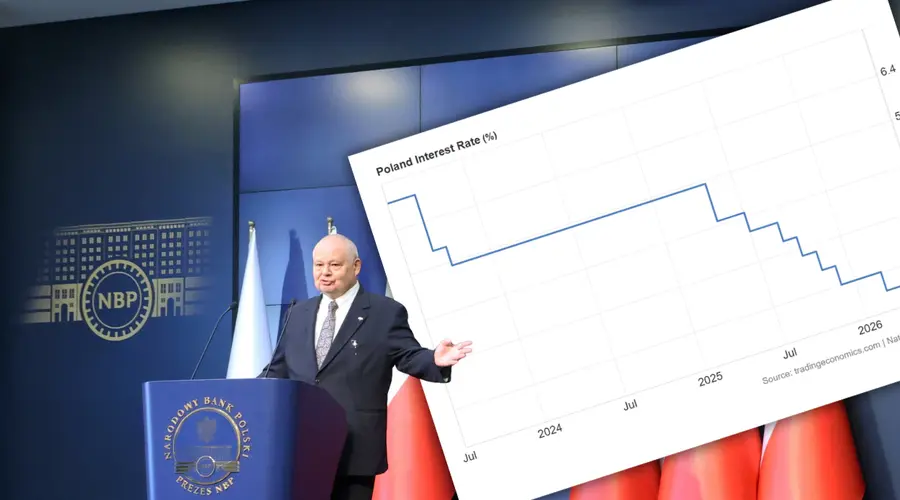
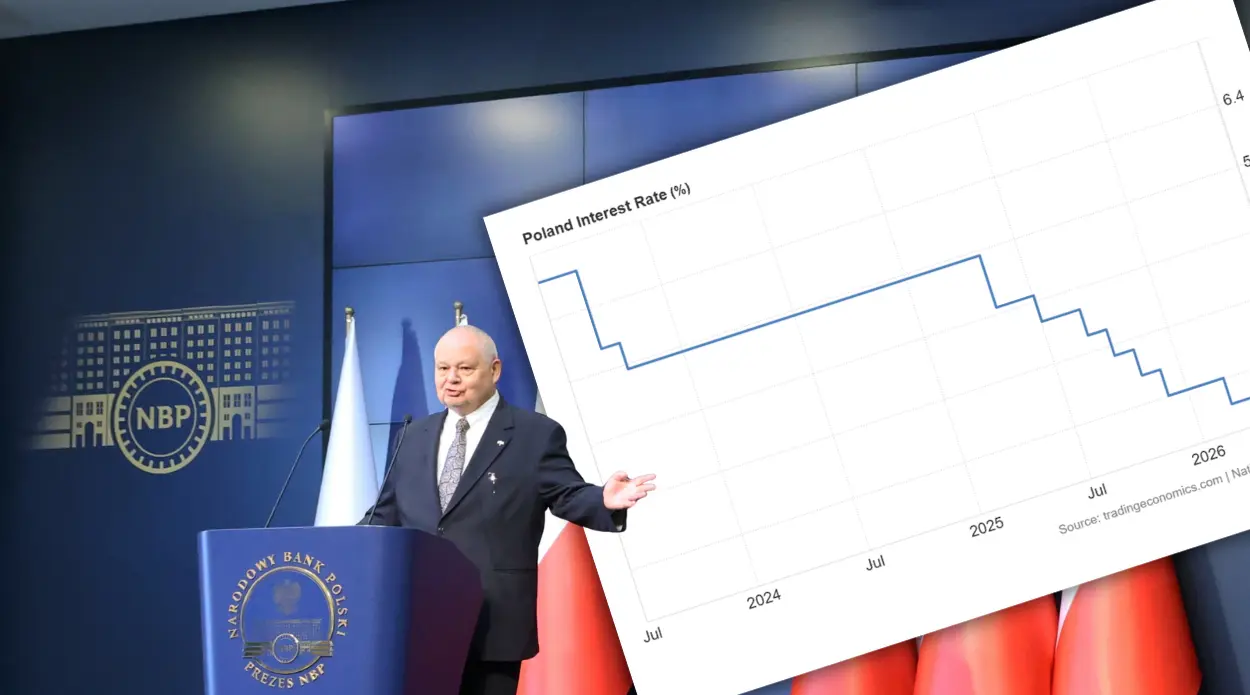
In line with market consensus, the Monetary Policy Council decided to maintain the reference rate at 3.75%.
Status quo on demand, i.e. the numbers that rule the market
For anyone following the stock market and global macro links, this was no surprise. The other rates are:
- lombard rate: 4.25%;
- deposit rate: 3.25%;
- discount rate: 3.80%;
- discount rate: 3.85%.
Analysts at ING Think rightly point out that this level of rates is the baseline scenario that will probably hold until the end of the year. Why did the central bank apply the brake to the easing cycle? The answer lies in geopolitics and commodities. The dynamic situation in the Persian Gulf destabilised energy markets.
Although past inflation declines were driven by the normalisation of oil prices and unexpectedly deep food price cuts, core inflation still hovers dangerously close to the 3% threshold. For decision makers this is a clear signal: it is still too early for bolder cuts. Much greater confidence in the durability of deflationary processes is needed.
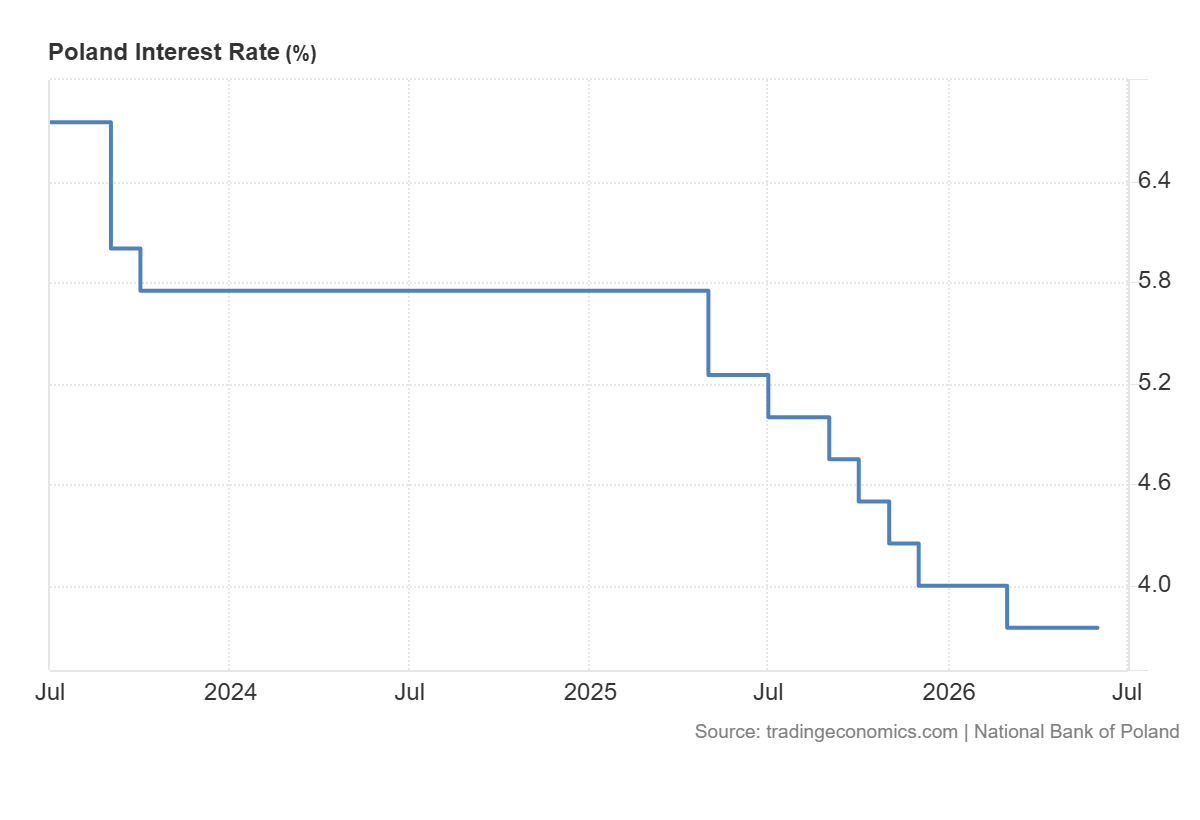
Source: Trading Economics.
See also: Inflation heading towards 700%. New data surprises! Is this a chance to reverse the economic disaster?
July tax cocktail, i.e. fuel for inflation
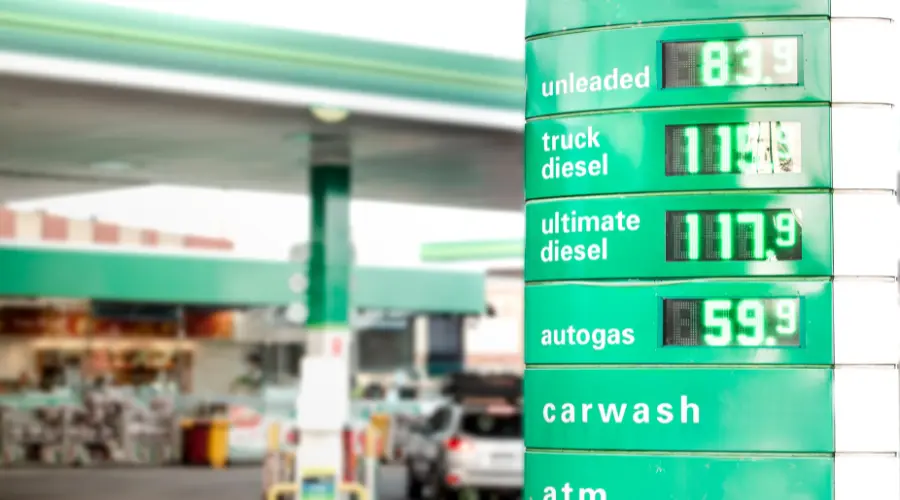
The situation becomes more complicated when we look at the government's fiscal decisions. At the end of June the protective shields (CPN program) that reduced gasoline prices and diesel, including lower excise rates and VAT, expired. Therefore, the beginning of July welcomed drivers and stock‑market investors with a clear price jump at fuel stations. These delayed supply‑shock effects may re‑ignite price pressure.
The latest July macroeconomic projection from the NBP outlines an optimistic view of inflation in the medium term. But theory is one thing, and the hard market reality is another. Monetary authorities will need at least a few months to ensure that the Polish economy will safely avoid the risk of secondary effects from rising energy prices. This could prove exceptionally difficult, given the again climbing oil prices towards the $80 per barrel ceiling.
Although during Thursday’s press conference the NBP president, Adam Glapiński, tried to soften rhetoric and hit a slightly more dovish tone, the serious debate about rate cuts will truly start only after the holidays.
See also: Will the RPP refrain from cutting rates? Cheaper loans threatened – experts warn
Zloty in defence – the exchange and algorithms under pressure
Playing with interest rates immediately reflects on currency markets, and there the situation becomes tense. The futures market currently values only about 10 basis points of rate cuts, after the scenario of their hikes has completely vanished in recent weeks. The narrowing interest‑rate differential between Poland and major economies means that domestic assets are losing their previous premium.
Combined with a globally strong USD, this has led to clear pressure on the zloty, which is faring worse than other CEE currencies. The key moment is now. The EUR/PLN pair has reached strategic resistance at 4.290-4.300.
If the central bank does not send a clear signal about further cuts this year, trading algorithms and foreign capital may push the euro rate to much higher levels. For stock investors and technology importers this is a signal to increase vigilance.
What does all this mean for the average Polish with a mortgage? First and foremost, no sudden changes in repayment schedules. WIBOR rates, which directly translate into the size of payments, have already consolidated around the current RPP decision levels.
See also: May RPP decision surprised? Here’s what the National Bank of Poland did with interest rates
Source: ING Think.