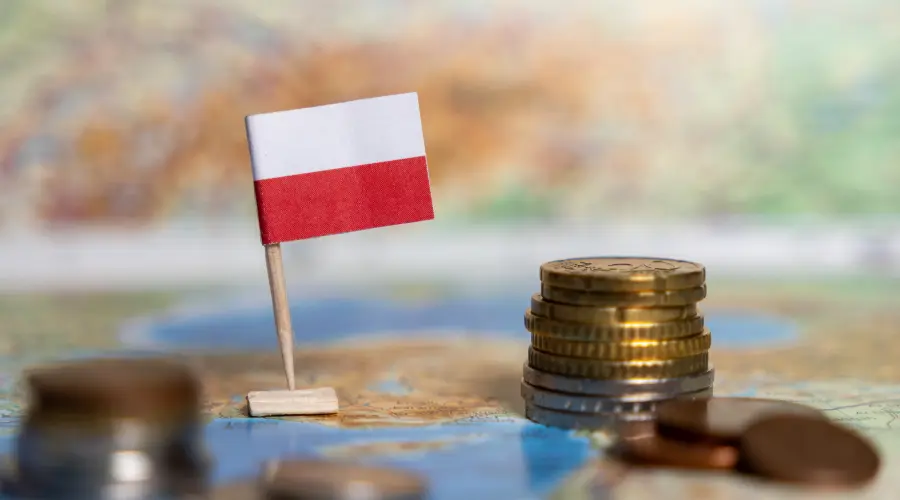
Writers demand, that regulations be introduced so that they receive 10% of the book’s cover pricei. Currently, their profit is limited to 5%, which outrages publication authors who point out that their work is not properly appreciated, at least in terms of the remuneration they receive.
Just under 3 PLN per sold book
The amount a book author can receive for selling one copy is not high. According to the report “The Book Still Isn’t Lost?”, prepared by the Polish Economic Network for the Book Institute, it turns out that a book author can receive 2.87 PLN from each sold copy. How was this amount calculated? The book whose cover price was 57.50 PLN was analyzed. After applying a discount, it was reduced to 40.25 PLN, of which 5%, or 2.87 PLN, went to the writer. Of course, selling 100 books would yield 287 PLN in royalties, 1,000 would be 2,870 PLN, and 10,000 would be 28,700 PLN. But there is never certainty about how many books will sell, which is why authors fight so hard for an increased share of the guaranteed profit. It should be remembered that each book has a minimum that the author contracts with the publisher for which they receive money.
Why are book sales royalties so low? The answer to this question is not easy. The amount from selling a book whose price after promotion is 40.25 PLN is divided among several parties. For the publisher, after deducting production costs, 7.87 PLN remains, the distribution company receives 6.90 PLN, and the bookstore 4.60 PLN. That’s why it’s hard to allocate a higher amount to the book author under this model. But they demand it. 10% of each sold copy.
Writers become entrepreneurs
Some writers who want to earn more try to act on their own, bypassing the publisher. This can yield revenue of up to 70%. Tempting? Certainly, but this path carries much greater risk than the model where the publisher is responsible for selling the book. The author must then organize tasks such as editing, proofreading, cover design, or printing. Additionally, distribution must either be outsourced or attempted personally, but this can create a barrier to accessing audiences.
Sobviously there are exceptions that show it’s possible and profitable. An example is Michał Szafrański, author of “Financial Ninja”, who during the Influenca Live Wrocław conference admitted that his book sold about 130,000 copies. That was supposed to give him pre-tax income of 7.5 million PLN. Szafrański bypassed the publisher, but this example should not be taken as “if he did it, others can too”. Szafrański was not an anonymous person when publishing the book. He had an audience group he had inspired for years, which allowed him to build a base of people who eagerly turned to his book.
It’s hard to expect a similar success for a debut author who is not known to a larger group. The way to change that is to build a community to which the publication can be directed, but it’s a long process and there is never certainty it will end in success. That’s why using publisher services, which may be significantly less profitable for the author financially, can turn out to be the only option that allows achieving ultimate success. The publisher takes on the risk of publishing the book, bears the costs of editing, proofreading, and distribution, and also allows reaching a larger audience. This can be especially invaluable for a young author.
See also: Only 3% of young Poles think about starting their own company. Is this a new trend or bad government policy?