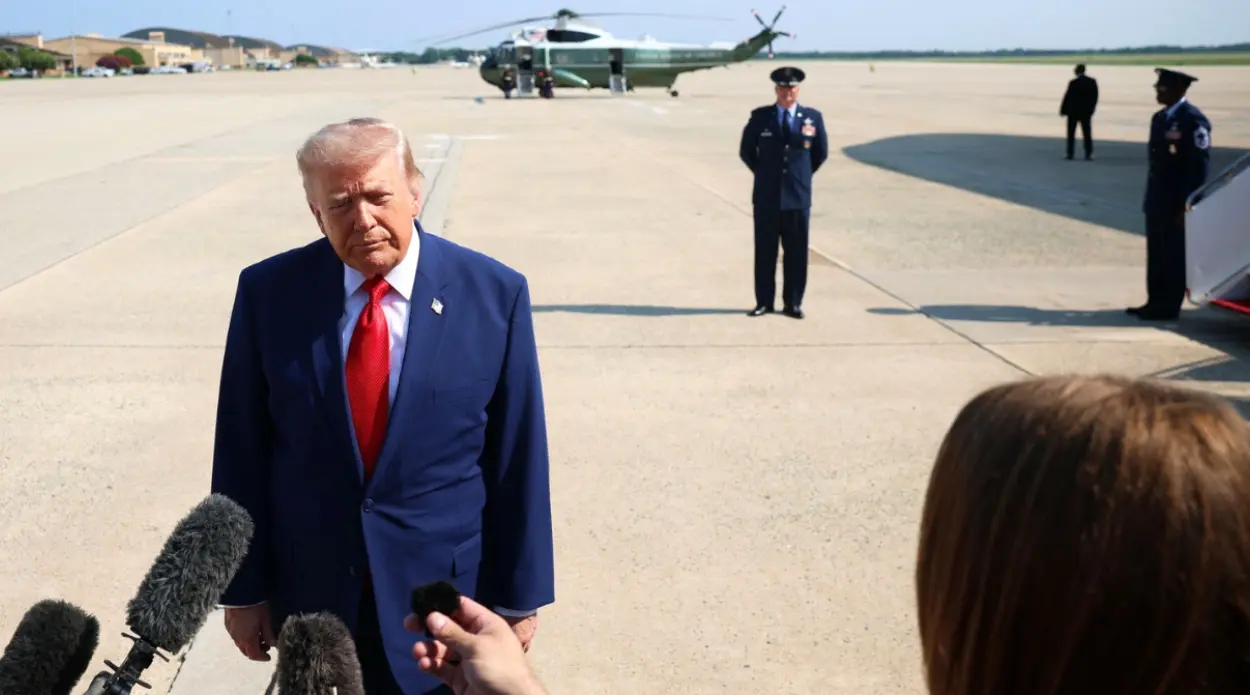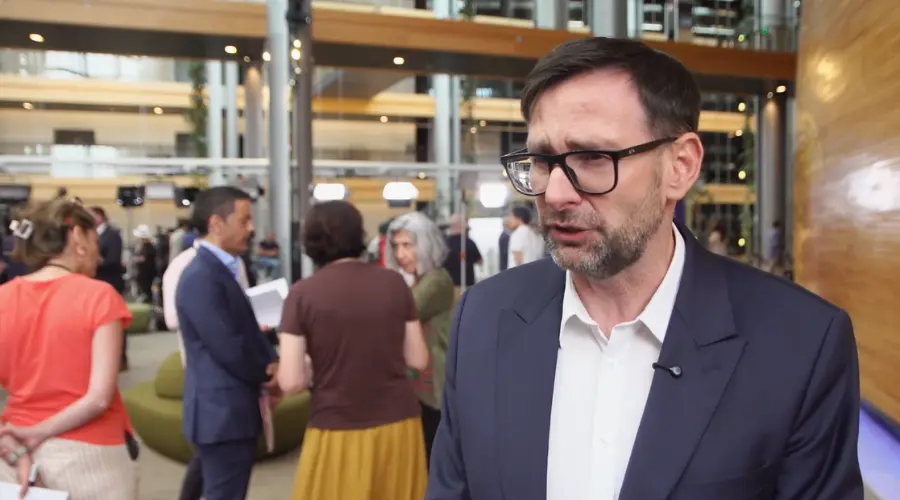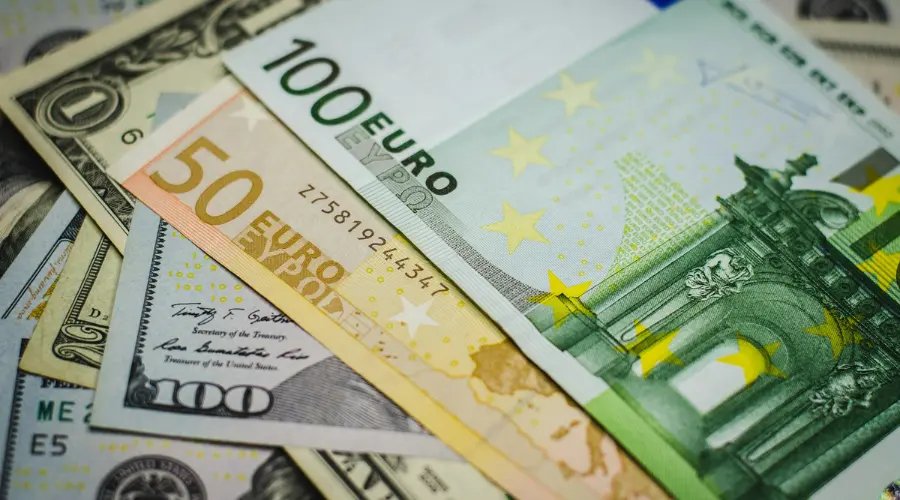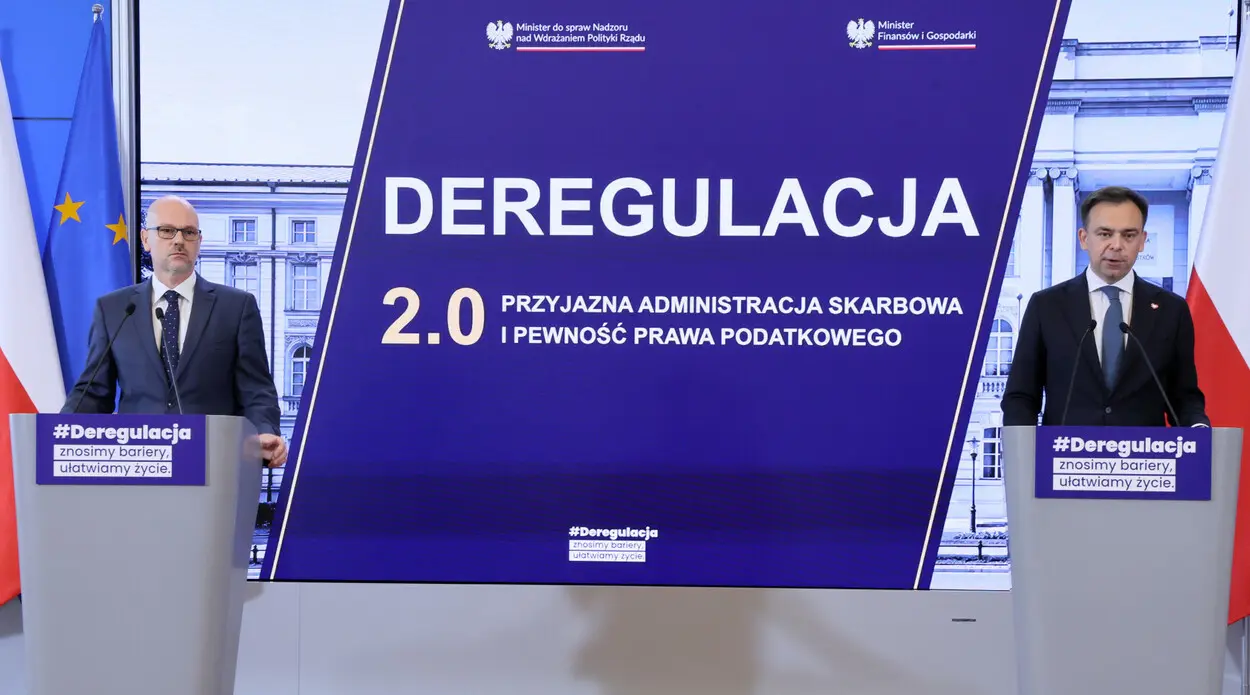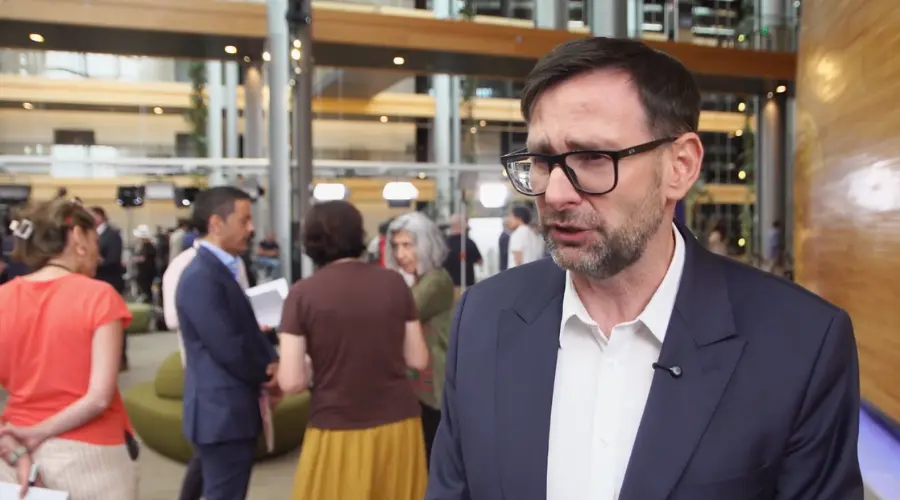


– I’m frightened by some data. Even in 2025, the European economy and industry lost €90 billion to Chinese industry. In Poland it was €11 billion. About 45 thousand jobs are threatened – speaks Daniel Obajtek, an MEP from the Law and Justice party, in an interview with the Newseria agency.
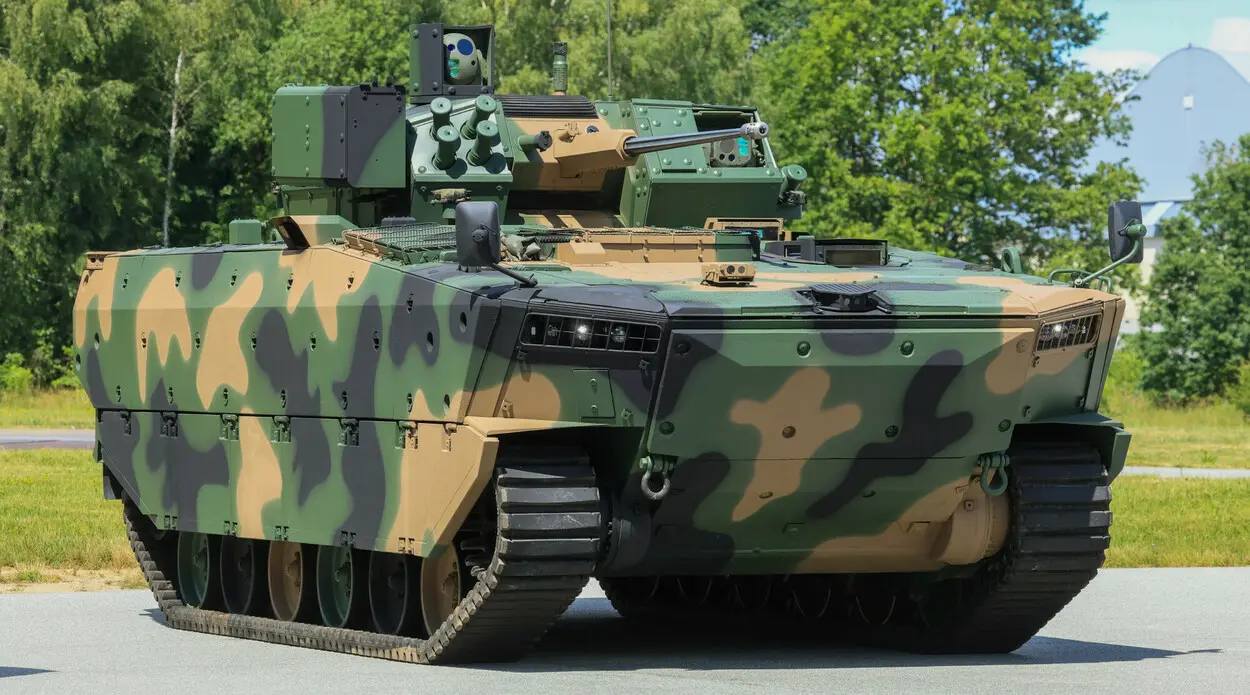
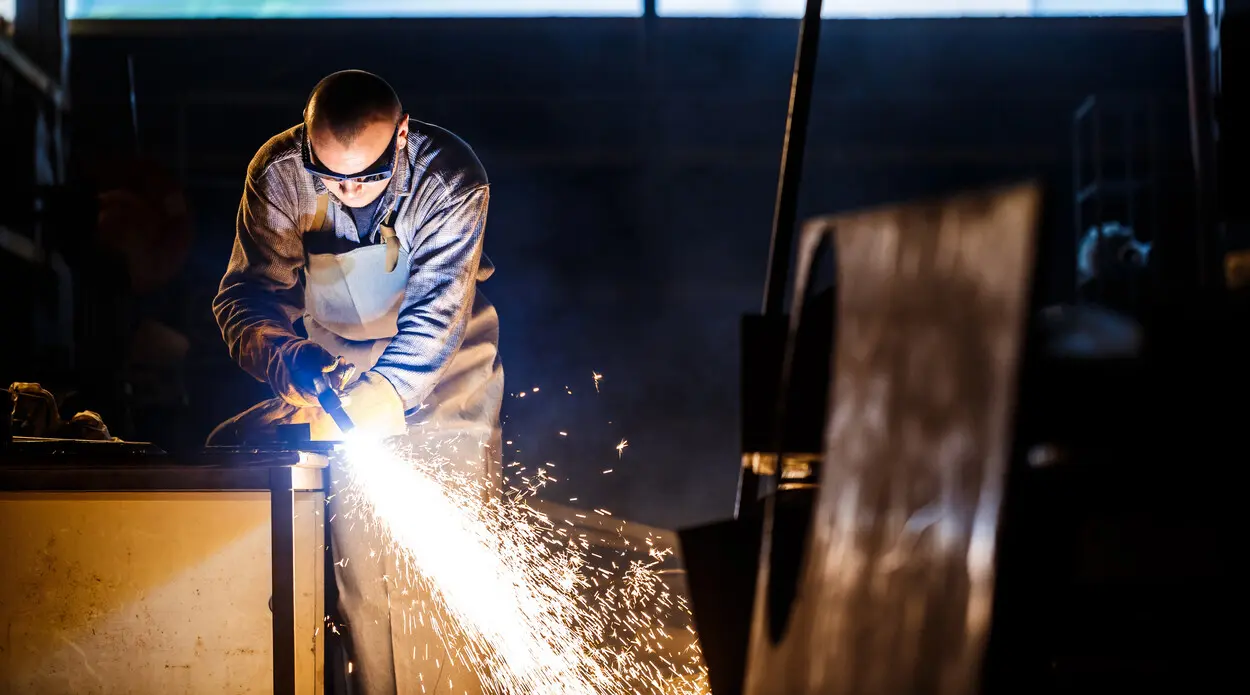
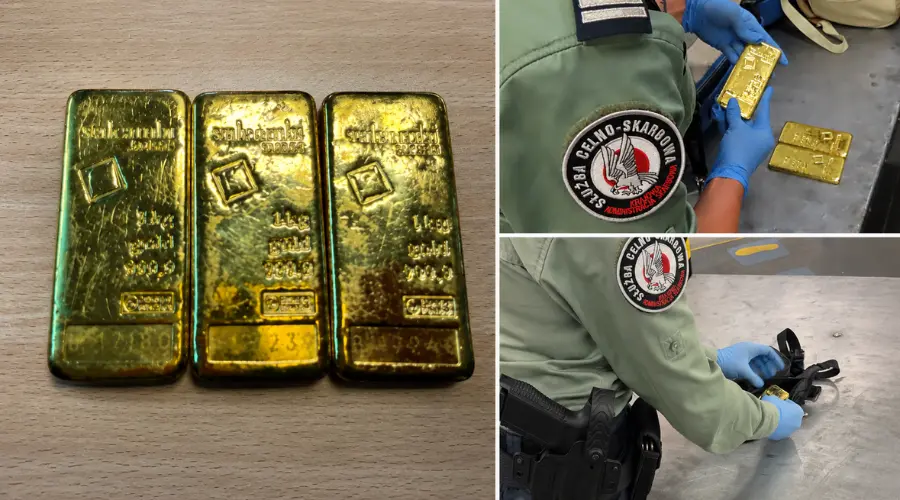
These are figures from the report by the Union of Entrepreneurs and Employers (ZPP) and the Center for Eastern Studies (OSW) “Poland – Europe – China: cooperation or dependency trap?”. According to its authors, in 2025 the European economy lost about €87 billion of added value due to the displacement of European production by Chinese imports. Of that amount, €11.4 billion went to Poland. Experts point out that about 500 people in the EU lose jobs in the industrial sector daily due to Chinese economic expansion. The threatened jobs mainly involve battery production, automotive parts, household appliances, and steel.
– The threat to Polish steelmaking from China and other third countries is inevitable until we lower electricity prices. There is CBAM, which covers steel and fertilizers, but no one knows what its effect will be. – says the MEP.
The Carbon Border Adjustment Mechanism (CBAM) aims to equalise the cost of CO2 emissions between goods imported into the EU and those produced within the Union. It is intended to reduce the risk of so‑called emissions leakage, i.e. moving production outside the EU to avoid emission costs.
From 1 July 2026, a EU regulation protects the EU steel sector from the harmful impact of global production capacity surplus. It introduces lower import quotas, limiting duty‑free imports to 18.3 million tonnes per year – 47 % less than the 2024 steel quotas. It also foresees a 50 % tariff instead of the current 25 % after exceeding the quota.
EU authorities estimate that the surplus of steel production capacity will rise from 602 million tonnes in 2024 to 721 million tonnes in 2027. This is five times the demand in the European Union. As highlighted in the regulation, the global surplus and non‑market practices in some third countries that artificially support their domestic industry increasingly negatively affect the EU steel industry. Consequently, Europe is the only large steel‑producing region experiencing a decline in production capacity. Between 2018 and 2024, over 30 million tonnes of capacity were lost, and utilisation fell to 67 %. The sector is systematically losing jobs.
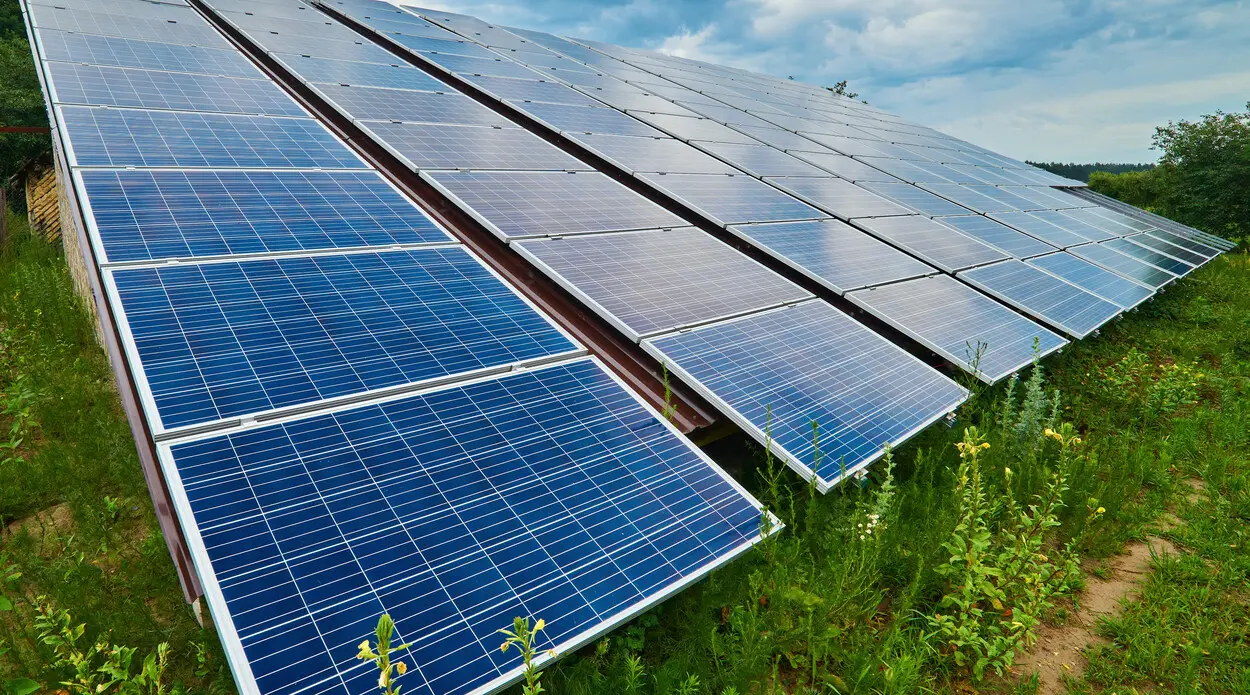
– I talked to Commissioner Maroš Šefčovic about certain problematic issues. There is a protective support mechanism, the so‑called safeguard, which includes iron and silicon as additives to steel production, but it does not contain metallic silicon. – explains Daniel Obajtek. – Now there is a situation where metallic silicon can replace other additives that were included in the safeguard. China continues to export it in monstrous quantities to Europe because it has huge supplies, partly due to reduced photovoltaic panel production. The United States and Canada have imposed such tariffs that they cannot export there, so they ship it to Europe, destroying European companies.
He stresses that the sector’s problems require swift action and decisions, as some companies could collapse in the next few months.
– The simplest method would be to make energy prices realistic. If we did that and reformed the ETS, we would have no problem with any strange mechanisms. The economy would be competitive. We would have an advantage. No one would move those goods a few thousand kilometres, and energy prices would be similar. Industry would immediately return to Europe. – forecasts the PiS MEP.
The advantage of Chinese industry, as indicated by the ZPP and OSW report, stems from many factors, including lower energy costs and state subsidies for producers. Data cited in the OECD analysis show that from 2005 to 2024 Chinese firms received on average three to eight times more public support than enterprises in OECD countries. A study covering 15 key industrial sectors found that 22 % of global market share growth from 2005 to 2023 can be explained by subsidies received. For Chinese enterprises, this was almost 60 %.
– China has monopoly power, and Europe has many states. To support specific energy prices and subsidise, you need adequate reserves and money to do it. The Polish budget does not have it for subsidising energy costs, nor does Lithuania. Germany has them, so they subsidise. We cannot agree to one state subsidising energy price subsidies and eliminating other states’ energy costs. – explains Daniel Obajtek. – I keep repeating that the entire European Union must abandon the ETS. Then it makes sense. If it hasn’t yet, I have a second proposal – replace it with investments.
This is the goal of the European Commission’s review of the emissions trading system, which is to be strongly focused on investments aimed at decarbonising sectors covered by the system. Member states will have to earmark their national ETS revenues for this purpose. According to KE calculations, this means mobilising over €100 billion before 2030. The review also proposes slower cuts to the emissions limit, extending free allowances until 2038 and strictly tying them to decarbonisation investments in Europe. As Daniel Obajtek assessed it at X, these are minor concessions that do not solve the core problem. In his view, energy‑intensive sectors such as steel and cement still lose ground to non‑EU importers, and CBAM will not replace that, especially in its current form.