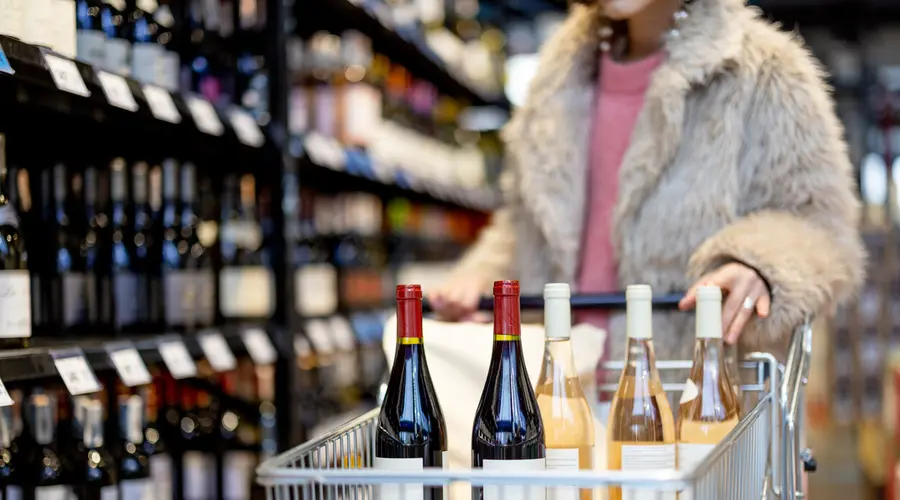
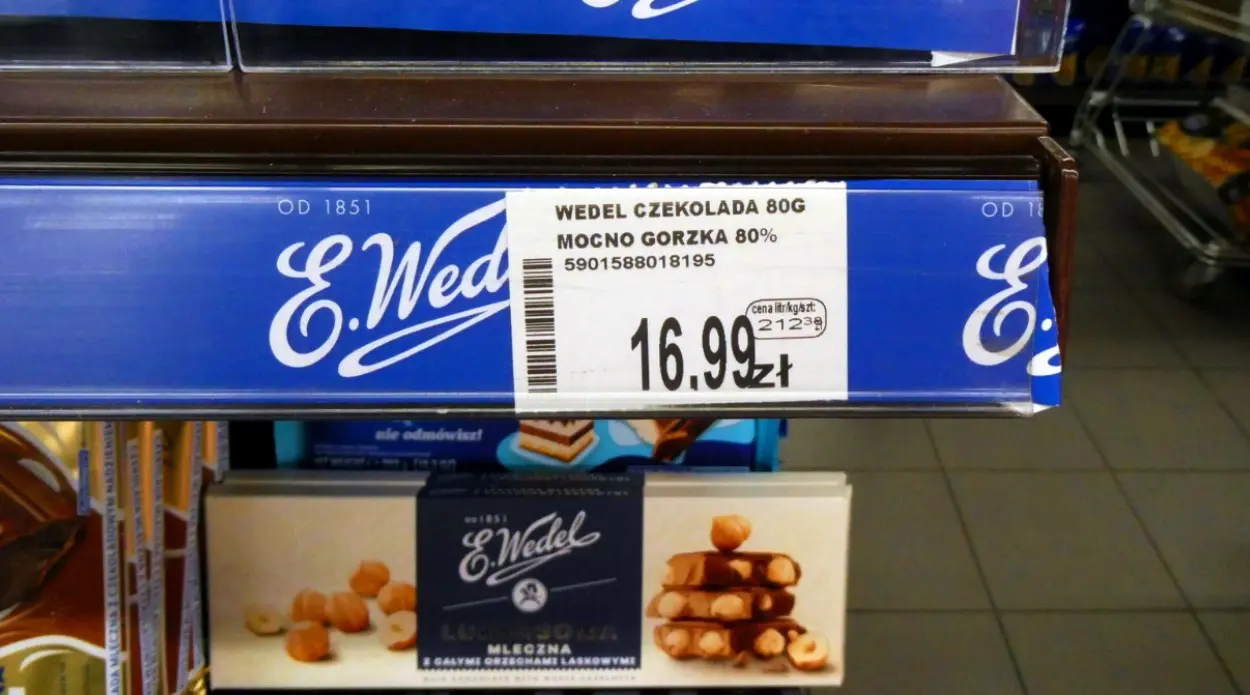
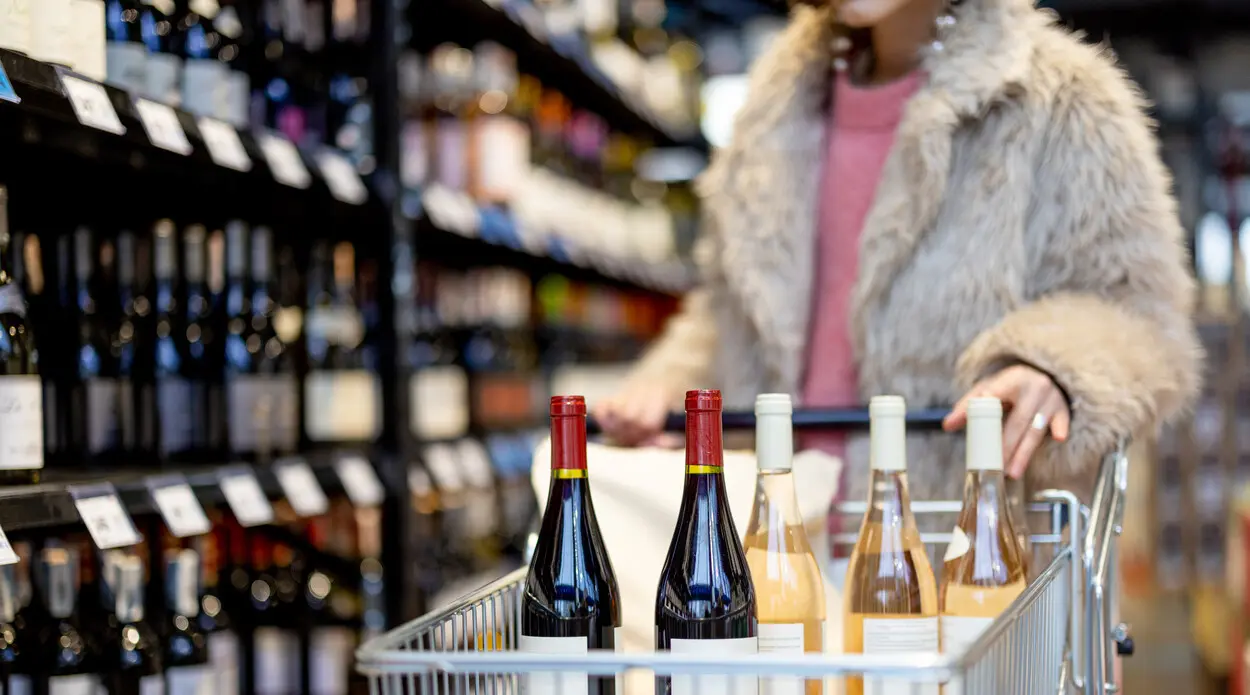
The government’s policy seems trivially simple – deterrence through high prices. Is that how taxes should work? It turns out that this is one way to shape Polish behavior. But is it the right one? It appears that the ruling party does not want to deviate from this path, proposing tax hikes to discourage consumers from certain products. This time it concerns alcohol, which is consumed in huge quantities in Poland. According to the portal Rynekzdrowia.pl, 84% of Poles, or about 25.9 million people, consume alcohol. This is the group that the proposed regulations aim to cover. But will raising prices actually lead to consumers buying fewer “high‑strength drinks”? Is it merely a way to pad the state budget, which economists assess as increasingly in poor condition?
Higher excise on alcohol
The Ministry of Finance, which proposes raising the excise on alcohol justifies it with data not only on how many people in Poland consume alcohol but also on the consequences it brings. Among them 95 thousand drivers arrested for driving under the influence in 2025 alone, 1,439 injured in accidents involving a “double‑gas” person, and 124 victims of such incidents. Additionally, 250 thousand domestic interventions where an altercation occurred after alcohol consumption. The open question is whether raising prices, which will result in higher excise, will improve these statistics. Will it deter those who drink alcohol?
In the past, many measures were taken to curb alcohol consumption. Among them was the ban on advertising strong “high‑strength drinks.” The exception is beer, which can still be advertised in Poland. Despite such measures, the problem remains widespread, so does a higher excise, which has already been raised many times, have a real impact on changing the situation?
The Ministry of Agriculture says “no”
The government does not present a coherent stance on introducing higher excise on alcohol. The Ministry of Agriculture and Rural Development explicitly opposes it – it will hit Polish farmers.
Alcohol production uses agricultural crops such as barley, rye, wheat, potatoes, and corn.
“Drastic changes in the excise tax rates for 2027 before the end of the aforementioned excise roadmap (planned until the end of 2027) undoubtedly contribute to reducing entrepreneurs’ confidence in legal certainty,” the agriculture ministry notes in comments on the Ministry of Finance’s proposal.
The agriculture ministry plainly states that if higher excise leads to lower demand (which is not guaranteed), it will directly result in lower production, and consequently the regulation will directly hit Polish agriculture, which has been struggling with many problems for years.
“This decline will, however, lead to a reduction in the production of alcoholic beverages, lowering the use of agricultural crops by Polish farmers for alcohol production, especially grains, potatoes, hops, and fruits,” the Ministry of Agriculture and Rural Development argues.
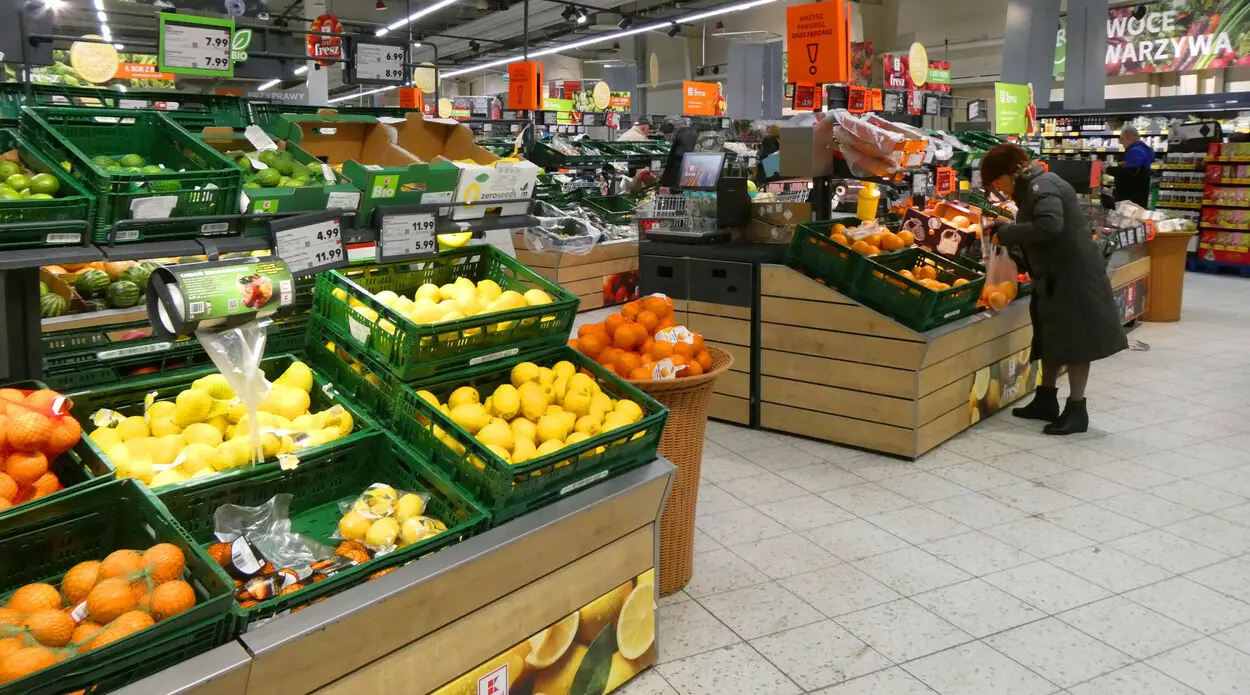
If it were not just about money, i.e., improving the state’s financial situation, could alongside raising the excise on alcohol, there also be a reduction in taxes on the sale of agricultural crops, including fruits and vegetables? If those were cheaper, for example exempt from VAT, would that encourage Poles to consume more of these agricultural products? That could reduce losses caused by higher excise, and consumers would be healthier by eating more fruits and vegetables and less alcohol. But is this really about Polish health or just the state budget?
See also: Polish office fights for money from Gazprom. The finance minister has stood in the way