Today in the USA the weekly data on the number of new unemployed will be published. In addition, the economic calendar does not contain any other significant releases today. In March the Polish industrial PMI rose to 48.7 points, clearly beating market consensus (47.1 points) and our forecast (46.7 points), thereby effectively recovering the February slump to 47.1 points from 48.8 points in January (the market had then expected a rise to 49.6 points). The PMI report is however less optimistic in assessing operating conditions in the sector than the headline indicator itself. The report indicates a further decline in new orders, especially foreign, an acceleration of employment reduction (to the fastest pace since September 2023) and a reduction in the purchasing activity of Polish manufacturers.
Despite weaker demand for raw materials, delivery times have lengthened most since June 2022, suggesting that the surprisingly strong PMI rebound in March may be due to bottlenecks in supply chains related to the conflict in the Middle East. The report also points to an improvement in the current production component, which reached its highest level in almost a year.
This may reflect catching up on arrears after two months of relatively harsh winter, but it could also signal a rise in demand resulting from the risk of stock depletion under supply constraints.
Although the March PMI reading was surprisingly high, the detailed results of the survey lead us to be more cautious in assessing industrial prospects in Q2, and perhaps also in subsequent quarters. According to preliminary estimates from GUS, the deficit of government and local institutions amounted to 7.2% of GDP in 2025, and debt rose to 59.7% of GDP. At the same time, the values of the deficit and debt from 2024 were slightly revised downward, respectively to 6.4% from 6.6% of GDP and to 54.8% from 55.3% of GDP.
The deficit recorded in 2025 was about 0.3 percentage points higher than forecast in the 2026 budget act. Although a 7% deficit is considered uncomfortably high in the context of the risk of a downturn due to the war in the Middle East, we assume that only a strong and prolonged escalation of the conflict could lead to a significant deterioration of the fiscal situation.
Rise in the EURUSD rate above 1.16
The seasonally adjusted unemployment rate in Poland, calculated according to the BAEL methodology, remained at 3.2% in February, unchanged from January. The unemployment rate in the euro area rose by 0.1 percentage points to 6.2%.
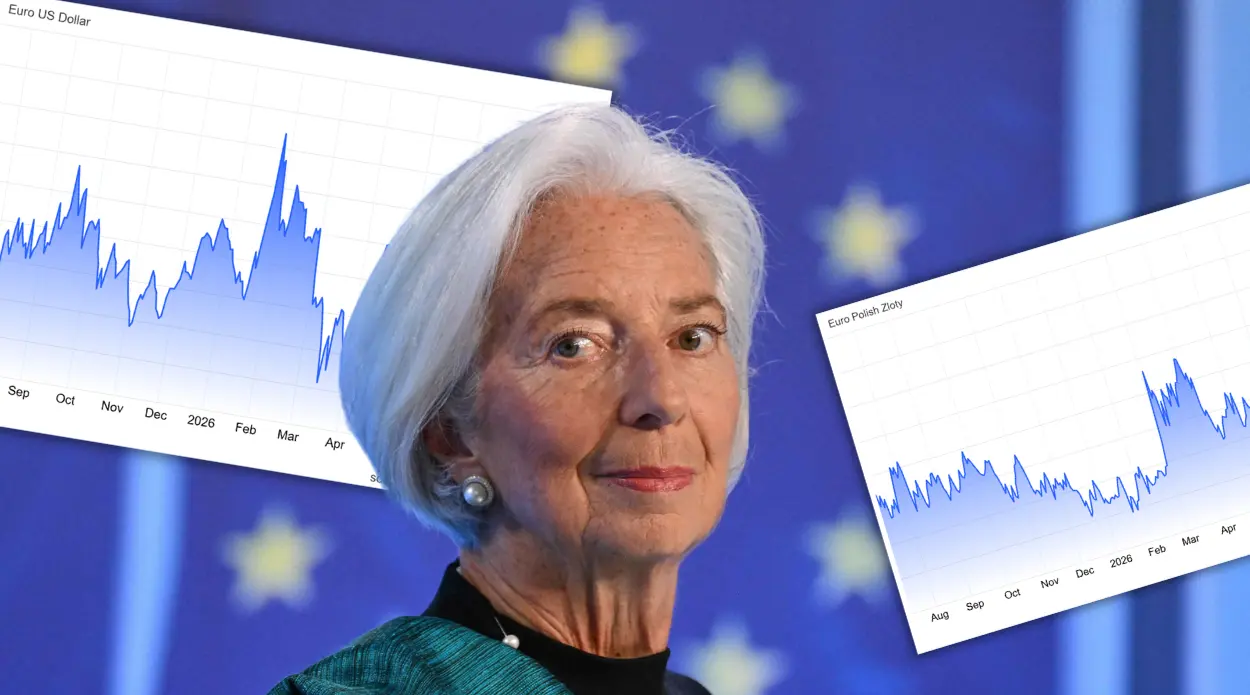
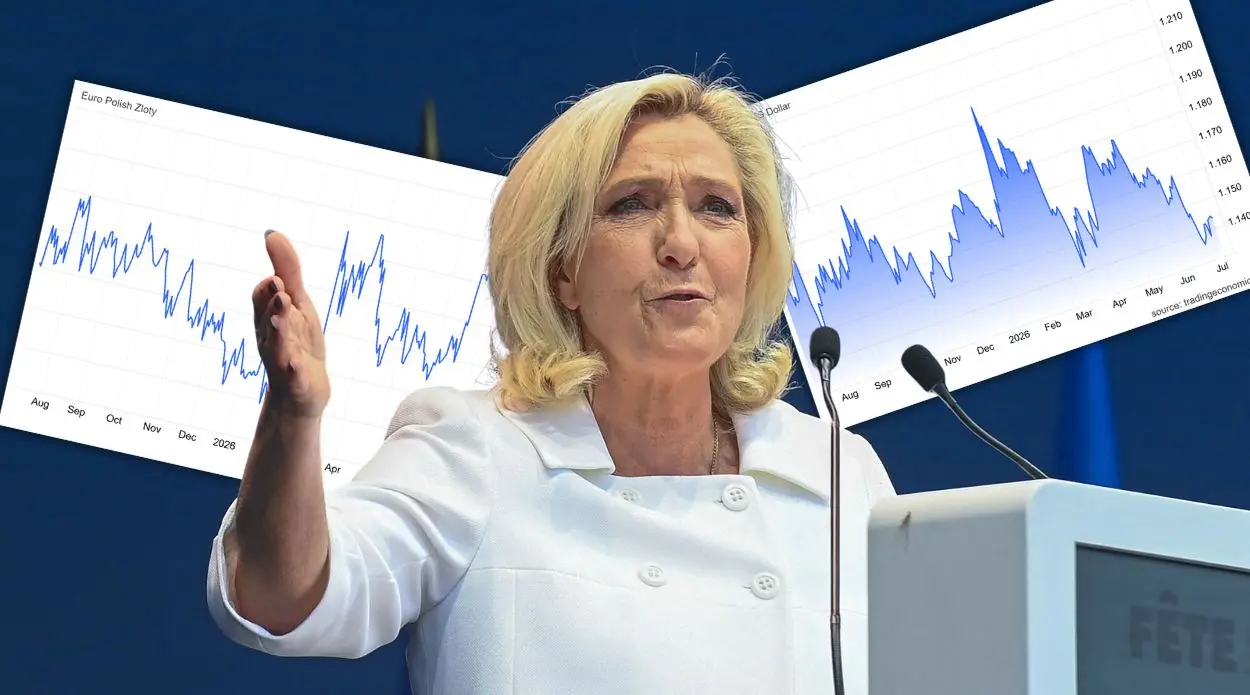
The EURPLN rate only experienced minor fluctuations on Wednesday and ended the European session slightly above 4.28. The EURCZK rate behaved similarly, ending the session at about 24.52.
The EURHUF rate changed somewhat more, falling by about 0.3%, slightly below 383. At the same time, the American dollar recorded further depreciation against the euro, which translated into a rise in the EURUSD rate above 1.16. Domestic bond yields fell on Wednesday by 17-19 basis points, with a steepening of their curve by about 2 basis points.
Domestic IRS rates also fell, by 13 basis points across the entire curve, and FRA rates, by 6-18 basis points. The strengthening of bonds and the decline in money market rates may have been related to statements made by US President Donald Trump to Reuters before his address to the nation, including a promise of a "fairly quick" exit from Iran. Base market changes did not show a similar reaction – German bond yields fell by about 1 basis point, and US yields rose by 1-2 basis points.
In the address to the nation delivered early in Polish time, Donald Trump repeated earlier statements that the war with Iran will last another 2-3 weeks, Americans are close to achieving their goals, and at the same time announced strong attacks on Iran in the near future. The address seems to dispel hopes for a quick end to the conflict, on a wave that has improved global market sentiment in the last two days, resulting in a new wave of risk aversion just before Easter.