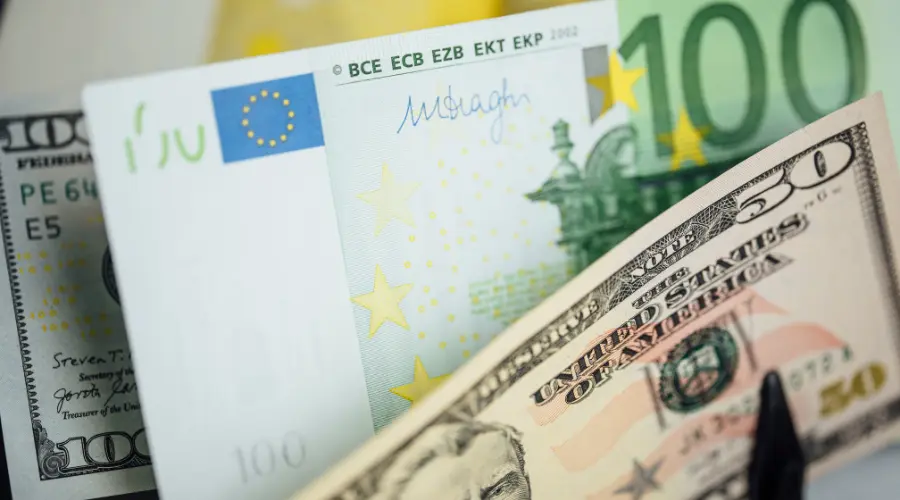
On Thursday there was no breakthrough in the peace agreement talks between the US and Iran, and oil prices rose slightly during the U.S. portion of the session. This cooled risk appetite, U.S. and European stock indices fell, and the U.S. dollar, supported by improving macro readings from the United States in recent days, strengthened only slightly.
RPP signals possible hikes, zloty stable, and markets remain influenced by geopolitics and U.S. data
The event of the day in the country was the conference of A. Glapiński after the May RPP meeting, which sounded sharp. The NBP president indicated that rate cuts in the near future are unlikely, and if the inflation target is exceeded, the council may decide to raise rates. This cooled sentiment on the Warsaw Stock Exchange, but did not significantly affect the zloty, which reacted mainly to changes in the primary FX markets and global sentiment.
On Friday geopolitical factors will remain the main "driver" of global risk appetite. The U.S. dollar, historically negatively correlated with EM currency strength, may also react to macro data readings from the U.S. (monthly labor market data and the University of Michigan report), especially if they diverge significantly from economists’ consensus.
Euro rate – forecast for the coming days
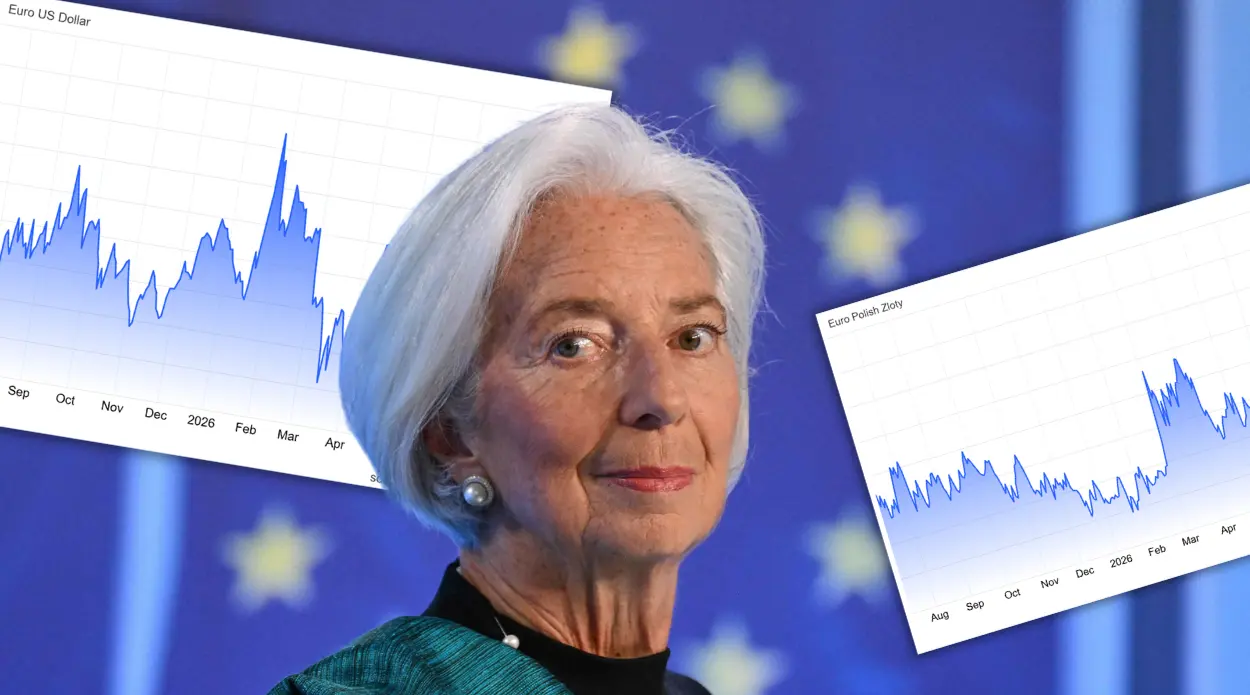
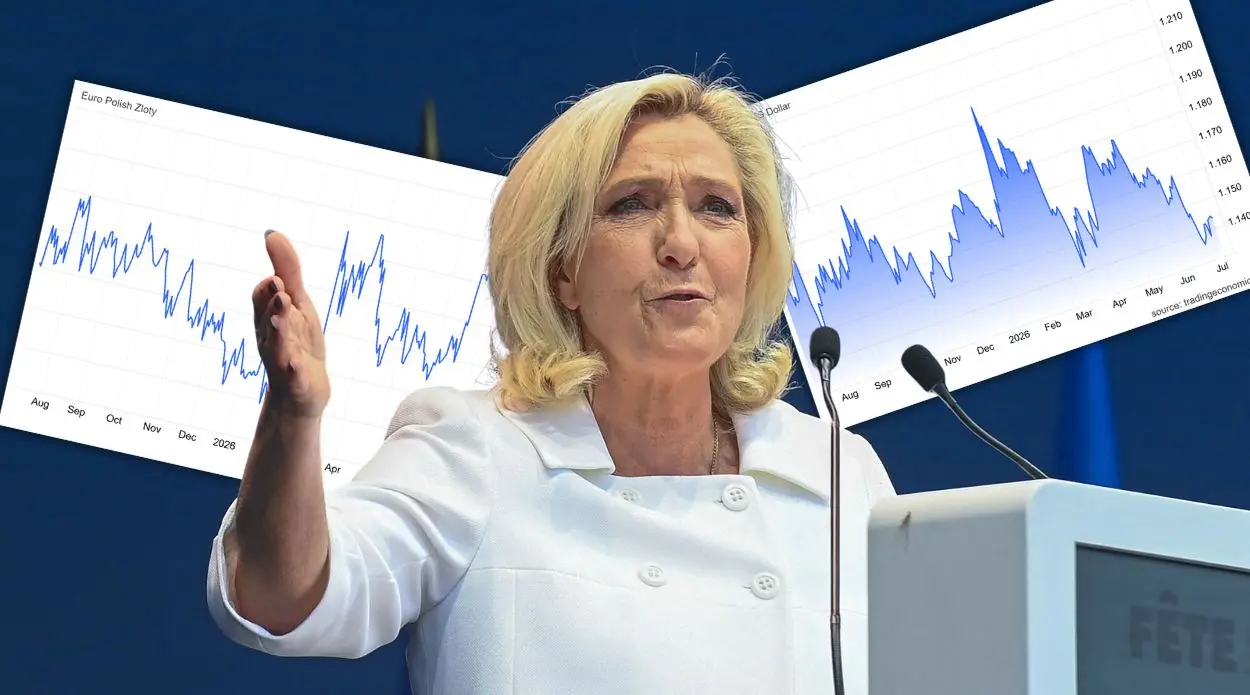
In our view, if no positive information about the U.S.-Iran peace agreement emerges on Friday, good sentiment in markets where investors have positioned for an optimistic scenario since Tuesday may cool further. In that case, EURPLN and USDPLN rates could shift towards 4.24 and 3.61 respectively.

On the domestic interest rate market, Thursday’s session brought a further slight decline in bond yields. Investor sentiment improved with the continued decline in global energy commodity prices during the European portion of the session.
NBP signals possible rate hikes, but the market has already priced in tightening monetary policy
In such an environment, the slight tightening of rhetoric by NBP president A. Glapiński at Thursday’s press conference was received only slightly negatively. Until now, RPP members have indicated that the most likely scenario is the stabilization of interest rates in the coming quarters. This time, the central bank president suggested that inflation above the upper bound of deviations from the NBP target, i.e., 3.5%, and forecasts implying a more persistent change could lead to a rate hike or hikes. The market reaction was limited – short‑end yields rose by about 3 basis points as a result.
The limited scale of the change in readings was due to the fact that before the conference, the derivatives market had priced in a 50‑basis‑point increase in the NBP reference rate, to 4.25% by the end of 2026. Thus, the suggested scale of monetary policy changes had already been priced in by the market. It is worth noting, however, that the assessment of the situation will largely depend on further developments in the Middle East and the duration of those events.
Although no significant new information emerged on Thursday, signals regarding a possible easing of the Strait of Hormuz blockade or suggestions of ongoing talks about Iranian enriched uranium resources increase investors’ perceived probability of a peaceful resolution of the conflict in the Persian Gulf. In such an environment, 2‑year bond yields have room to fall below 4.4%, and 10‑year yields below 5.6%.