Japan at a financial crossroads
The yield on 10‑year Japanese bonds has reached 2.8%, the highest level observed since… 1996. It’s only a “minor” nuance; back then the debt‑to‑GDP ratio was 65%, today it’s well over 200%. For years the Japanese idea for stimulating the economy was zero interest rates and massive public spending. Abe added fuel to the fire, stating that more of the same is needed.
As a result, the economy began to grow nominally, but debt is gigantic, and bonds and the yen have lost their safe‑haven status. Today the Bank of Japan is trying to intervene to defend its currency, which seems to be an increasingly futile mission. Japan will not go bankrupt spectacularly like Argentina or Greece; after all, the government borrows mainly from its own citizens, not foreign capital, but it has become a harsh lesson that a shortcut from one blind alley leads to another.
Beyond Tokyo’s borders. Global capital pays for expensive commodities
However, the problem is not limited to Japan alone. Bond pressure has naturally been amplified by rising commodity prices due to the conflict in the Middle East, although everywhere it has a structural character similar to Japan’s, just not as extreme. Paradoxically, a surprisingly stable business cycle can become an enemy to investors, forcing central banks to adopt a more restrictive policy that, in turn, does not serve the bond market.
From a global market perspective, the situation is becoming interesting. Investors in the markets have long moved on from the “Middle East” theme, focusing on earnings season and the AI revolution. Now the war’s consequences may be too serious to ignore. Ultimately, a shrinking debt also means less capital for everyone, including firms financing their investments (including in AI).
End of cheap euro? Bond yields are starting to weigh on the zloty
The consequences could also affect the zloty. It’s hard not to notice that bond yields after the first wave of increases fell below 5.5%, but are now again above 6%, which, given the current deficit scale, is becoming uncomfortable.
The council will have to forget about rate cuts, and with likely hikes in Europe, this scenario becomes more probable for us as well.
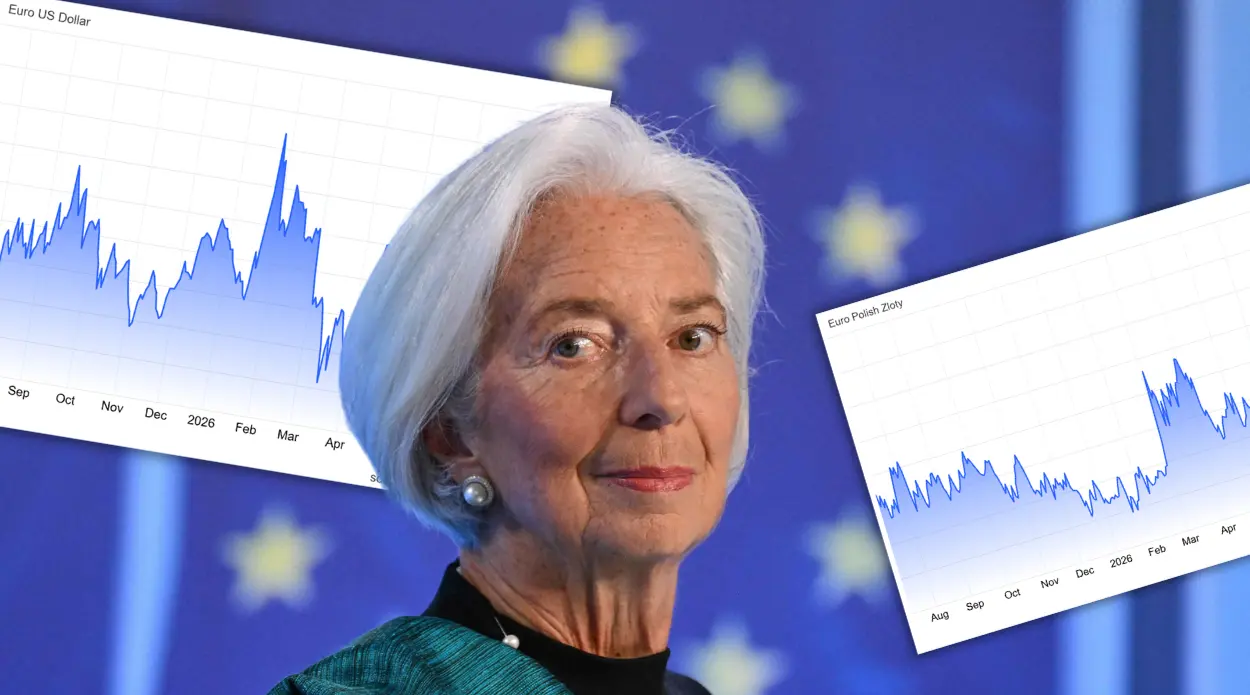
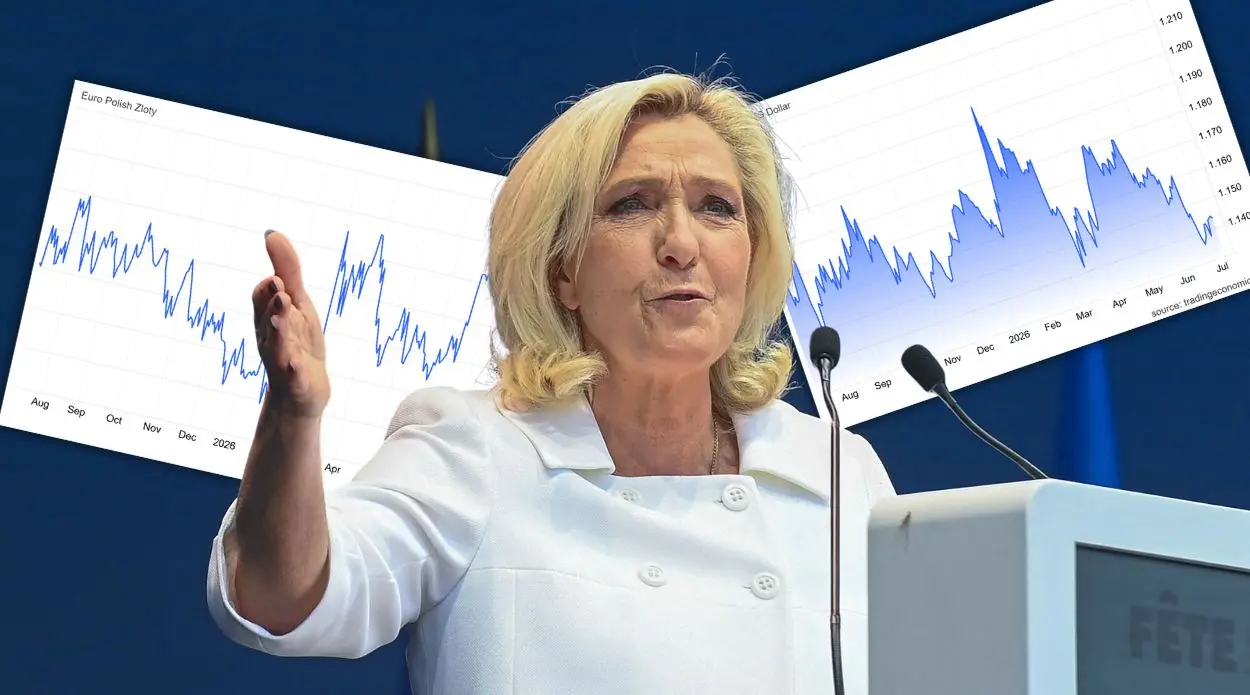
For now the impact on the zloty is small and mainly driven by EURUSD.
This evening we have two important events – the Fed minutes from the last meeting chaired by Powell (20:00) and Nvidia’s quarterly report, symbolically closing the earnings season (after US markets close).
At 7:45, the euro costs 4.26 zloty, the dollar 3.67 zloty, the pound 4.91 zloty, and the franc 4.65 zloty.