What about the peace negotiations?
Peace negotiations are ongoing, but no clear progress is visible so far.
Moreover, Iran announced that because the USA has not met previous agreements, it is abandoning the upcoming technical talks. This concerns the unlocking of frozen funds. The US stands that the release of these funds will be tied to the implementation of agreements and the provision of control mechanisms. This again shows that the signed memorandum was precise enough for both sides to declare success, yet vague enough to cause many complications in the negotiation process.
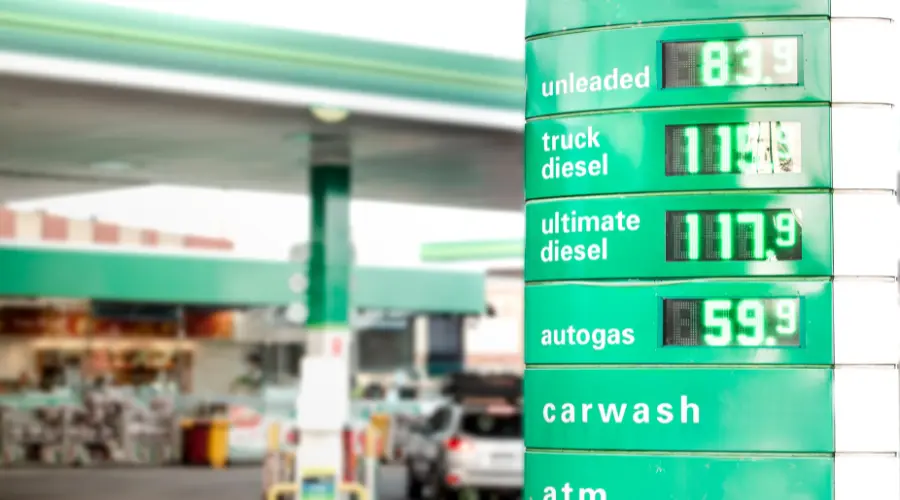
It is important that despite incidents in the Strait of Hormuz, this route remains largely navigable. Oil prices confirm this. Since Wednesday a barrel has been trading around 72 USD. It is not cheap, but such levels have also occurred outside the Gulf War in recent years.
What about US rates?
Analysts only recently expected two rate hikes in the USA. The first is now expected in September.
However, it seems the second may not happen at all. The odds are over 40%, but it is still not the dominant scenario. Additionally, remember that they are calculated from futures contracts on interest rates. What does this mean for currency markets? The higher these indicators, the stronger the US dollar.
As a result, if we do not expect a second hike, the dollar has less growth incentive. This is partly why the USD has recently lost some value against the EUR.
4.29 PLN the new standard?
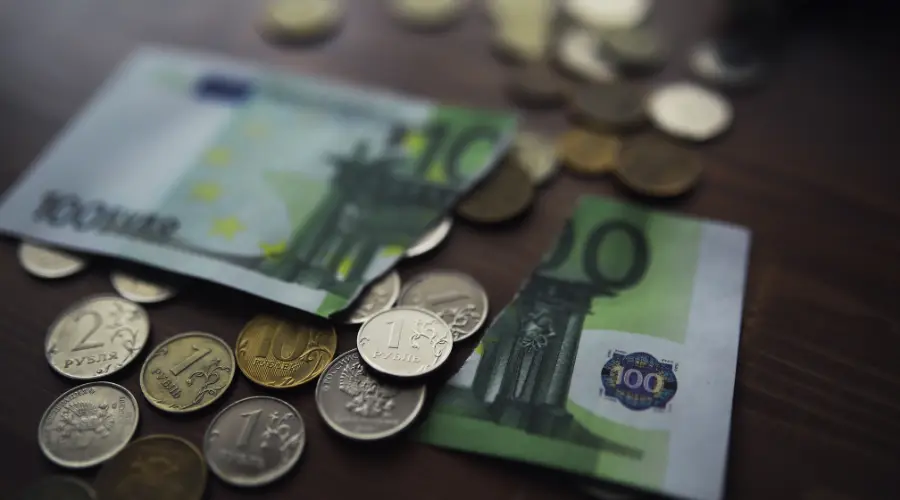
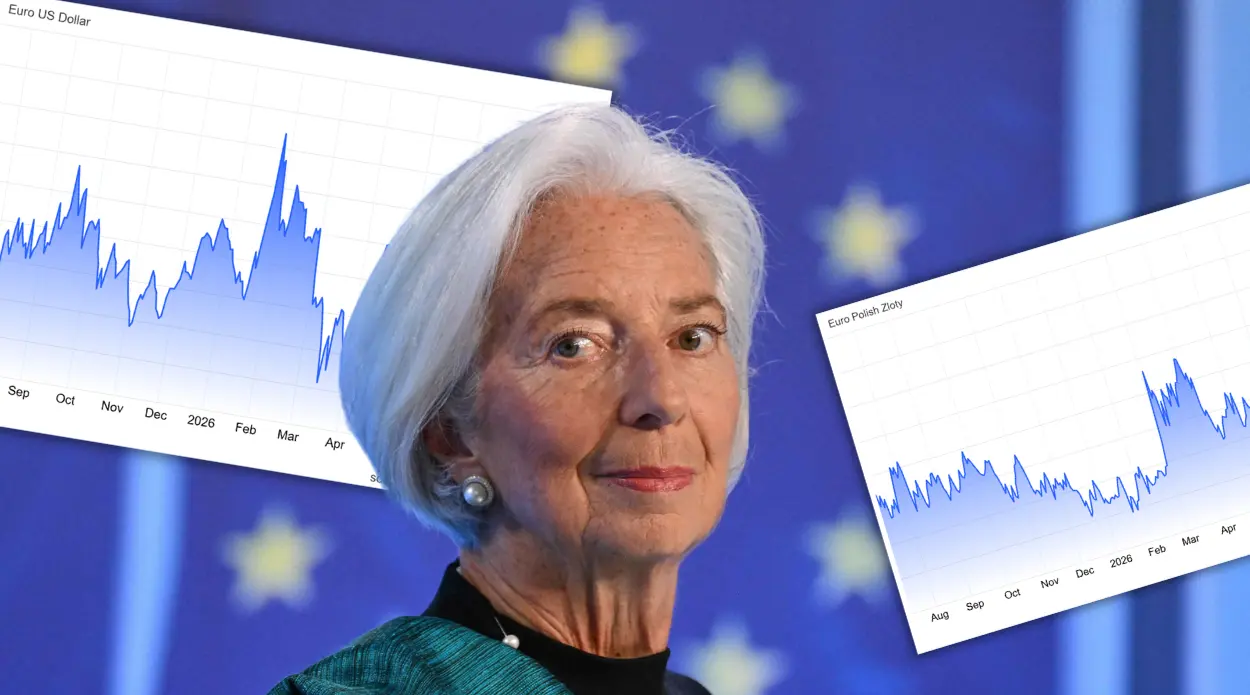
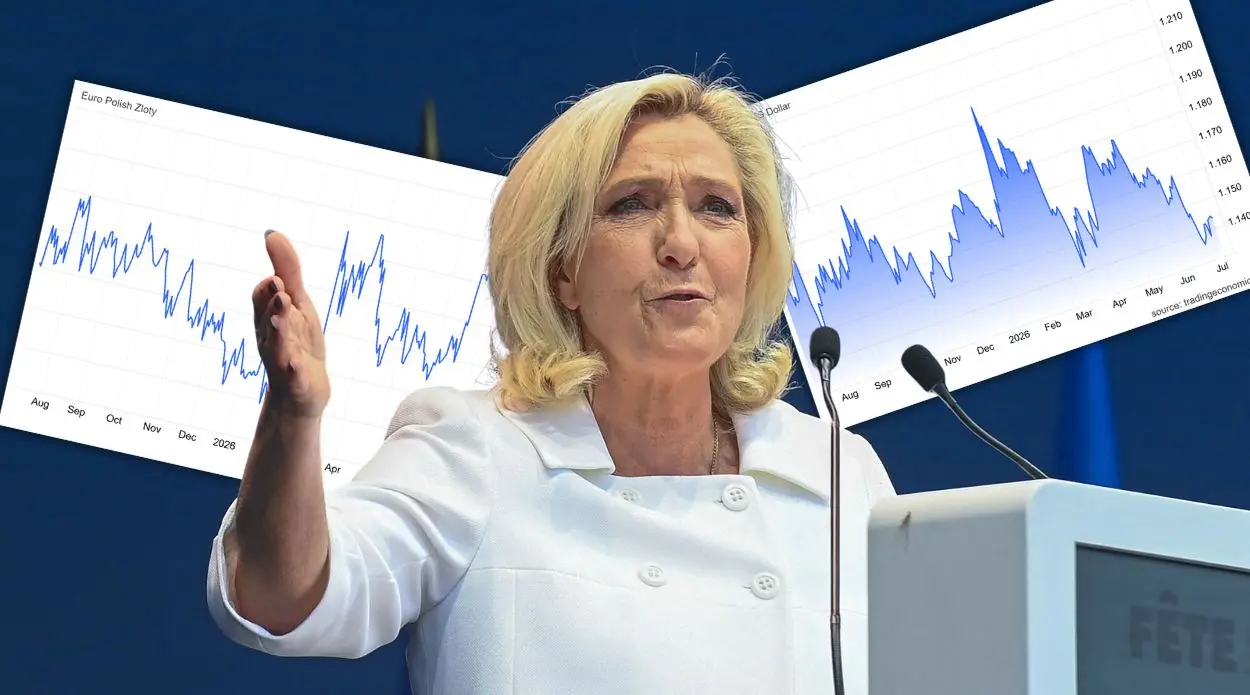
Changes in the main currency pair usually translate into the zloty. This is not the only factor affecting the Polish currency. The euro quoted in zloty has been around 4.29 PLN in recent days. Despite a rebound in the main currency pair, there are hardly any changes here. However, they are visible in the pair with the dollar. Prices fell recently by about 2 grosze, which is the result of capital outflow from the USA to Europe.
So what makes the euro so expensive? On one hand we have weaker sentiment towards the zloty in the market. It is also linked to investors’ caution, who seek more secure returns rather than the highest ones.
Today’s macroeconomic calendar lacks significant readings.