Oil rises by $3
The Wednesday session overseas ended with modest gains in major indices with new records for the Dow and S&P 500. The White House dismissed reports from Iranian television that Tehran had received a draft agreement from the US that would allow shipping through the Strait of Hormuz.
It is hard to say when the situation in the Middle East will normalize, but a full return to pre‑crisis conditions could take up to 1‑1.5 years according to recent IMF commentary by K. Georgieva. This could keep oil prices and inflation at elevated levels.
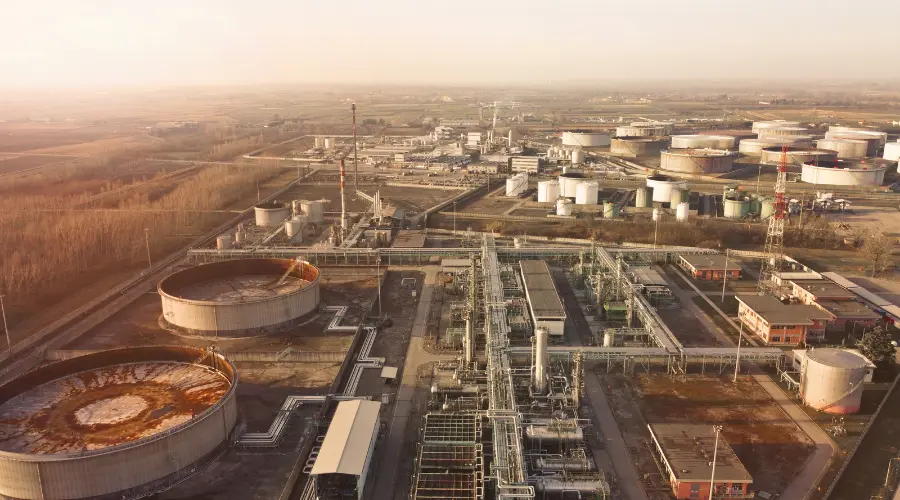
Oil prices rose from yesterday to about $97 per barrel of Brent, up from about $94. Similar to good US data on new orders and rising inflation readings, this will support the easing of yields in base markets, which are starting the day about 2‑5 basis points above yesterday’s close. It may also support rising yields in the domestic market, similar to the BGK auction.
Euro starts session near 4.235
The bank will offer FPC0229, FPC0231, FPC0332 and FPC0235 securities in today’s auction as part of the COVID‑19 Counter‑Measures Fund issuance, with a minimum supply of 500 m PLN.
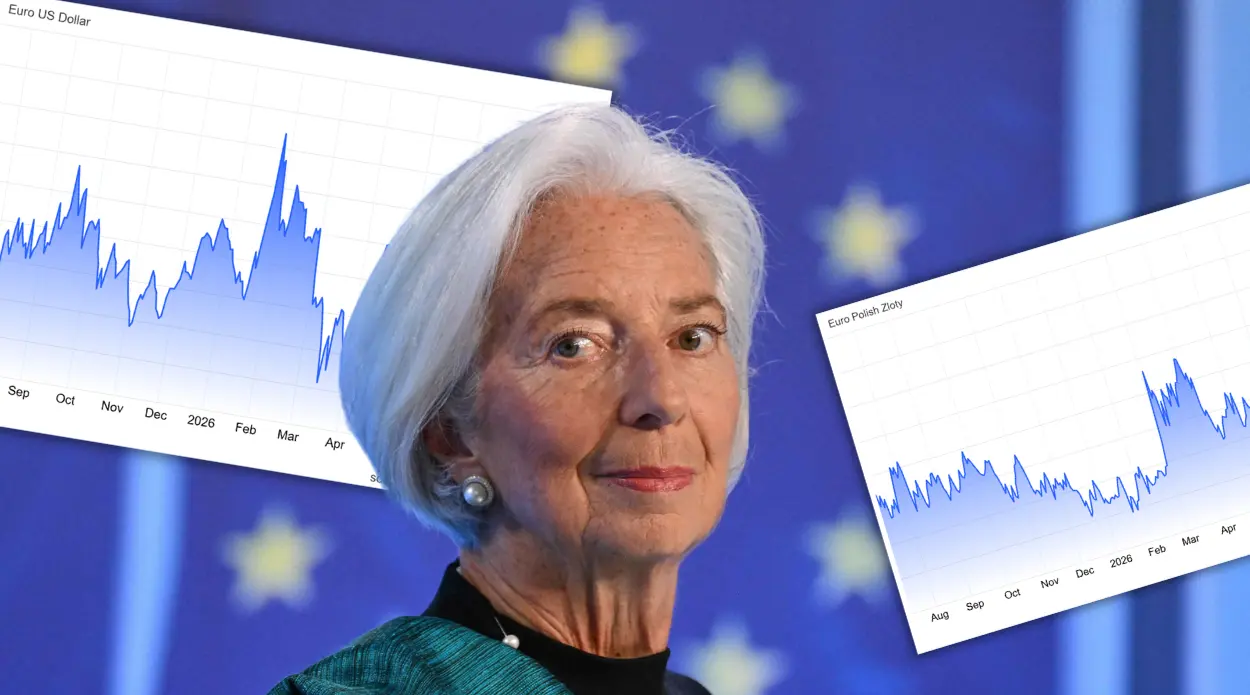
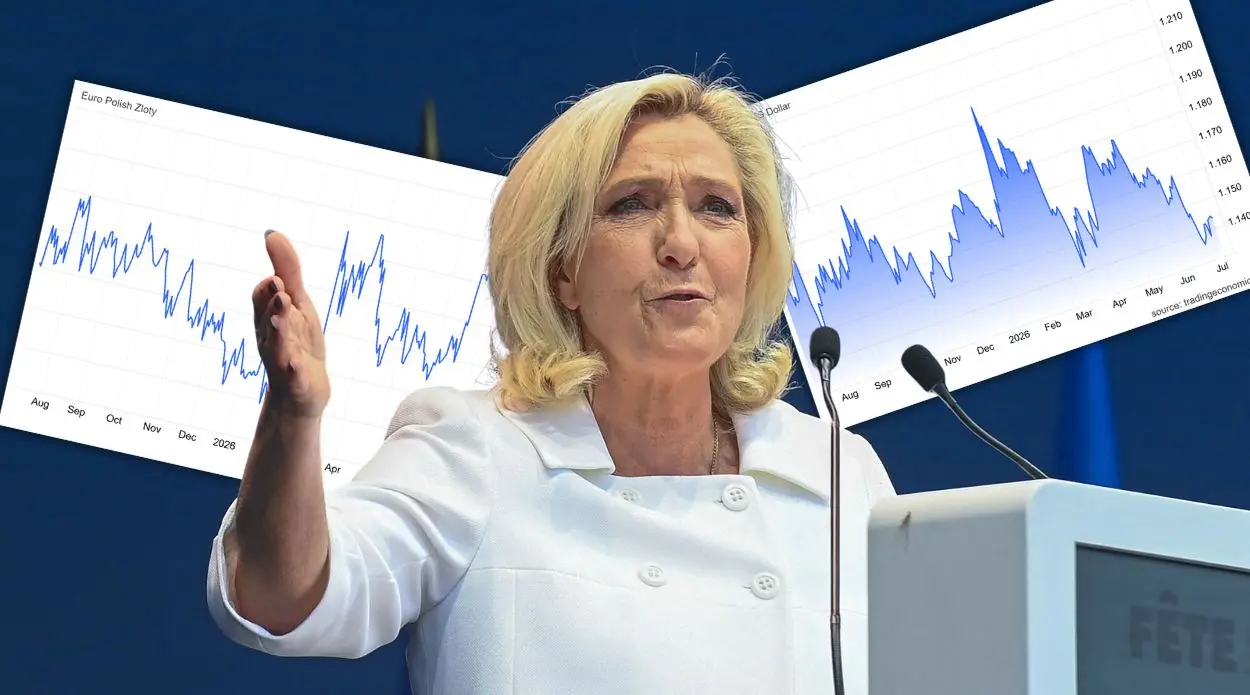
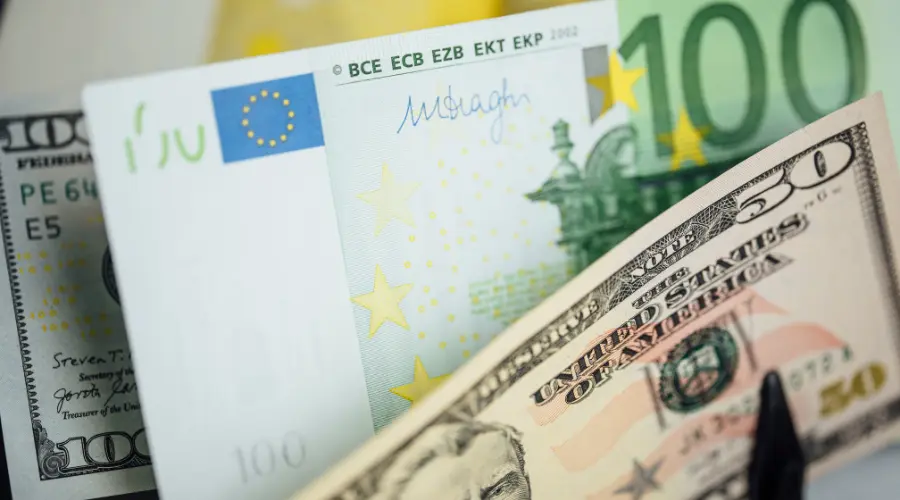
The EUR/PLN rate starts the session near 4.235, and the EUR/USD rate is slightly below yesterday’s close at about 1.161, with potential for further decline below 1.16 as PCE inflation rises and Middle‑East tensions impact.
Yesterday’s session saw marginal changes in equity indices, ending with a small decline. This occurred amid a lack of significant macro releases domestically and abroad.
The EUR/PLN rate initially rose slightly to about 4.242, but in the second half of the day fell to about 4.23. Minor changes in the EUR/PLN rate were accompanied by a slight weakening of the dollar against the euro.
Domestic interest‑rate market
In the domestic interest‑rate market rates initially fell by about 4 basis points at open, then later rebounded to opening levels, slightly higher for short‑term rates. The day’s event was the debt auction. The Ministry of Finance sold OK0129, NZ0331, PS0731, DS1033, DS0436 and NZ0936 bonds for a total of 10.2 bn PLN, with a demand of 12.7 bn PLN. The supply‑to‑demand ratio was highest for short‑term bonds and bonds based on the new reference index (NZ0331).
After the auction, the finance ministry has financed over 50% of planned domestic treasury securities issuances. At the end of the session 10‑year bond yields were about 5.77% and were near the Wednesday close.
In the European equity session indices also recorded small changes, as did US index futures. Iranian state television reported on Wednesday that Tehran had received a draft agreement from the United States, and the draft agreement envisages the resumption of shipping through the Strait of Hormuz.
EUR/USD fell to 1.162 at session close
In the absence of significant global data releases, the EUR/USD rate initially rose for most of the day to about 1.166, but fell to about 1.162 at session close.
Recent EUR/USD rate changes are limited, and much of the EUR/USD easing is due to improved sentiment around the Strait of Hormuz.
Support for the euro may also have come from the news that EU member states gave the green light on Wednesday for the entry into force of the customs agreement with the US.
The final step will be the European Parliament vote during the June plenary session.
The EU also finishes work on implementing regulations for the agreement negotiated by European Commission President Ursula von der Leyen with the US president in July 2025 at Scotland’s Turnberry. Implementing the Turnberry provisions will take the EU nearly a year.
In the German debt market yields rose by about 3‑5 basis points, while in the US market they remained relatively stable. At session close, 10‑year Bund and Treasury yields were near 2.98% and 4.47%.