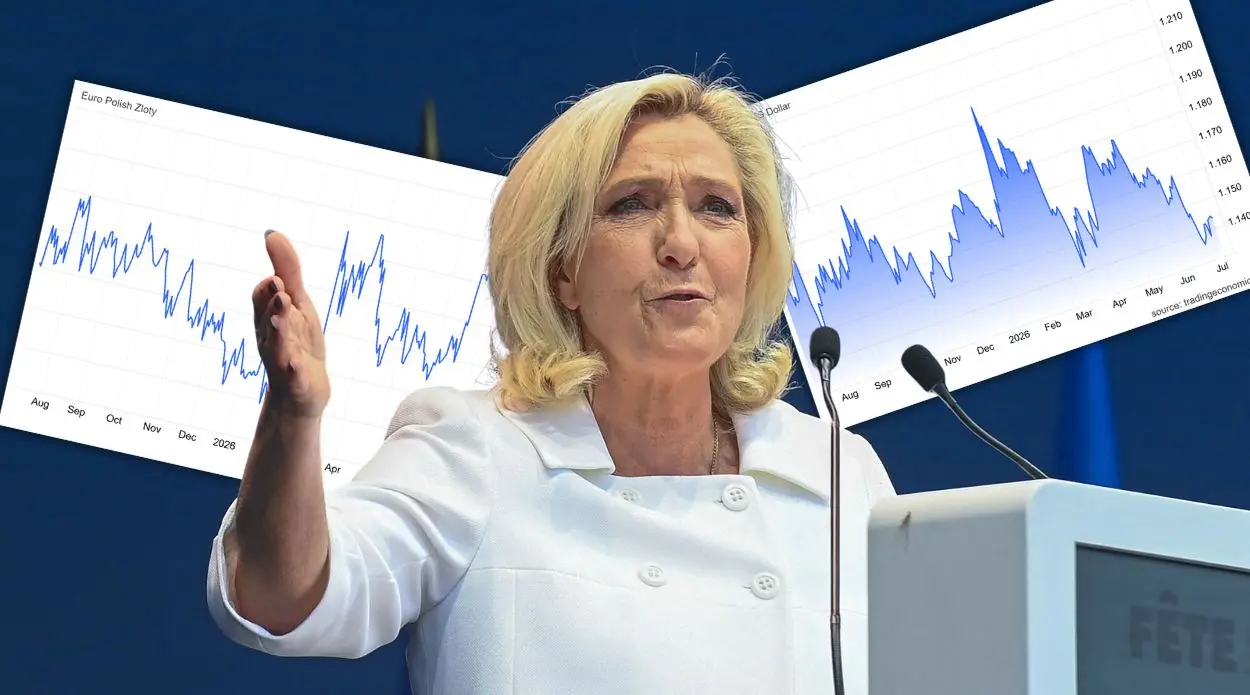











FX Market: Stabilization of the €/US$ rate before Fed decisions (today) and the European Central Bank (tomorrow). The absence of new information on Iran keeps oil prices high.
Only today – thanks to the preliminary CPI inflation reading for April from Germany and durable goods orders from the USA – do we expect greater sensitivity of the €/US$ rates to macro releases.
Moreover, in the evening we will learn the Fed’s decision on interest rates. Tomorrow, besides other key macro data (preliminary GDP for Q1 from Germany and the USA), the European Central Bank’s meeting will conclude.
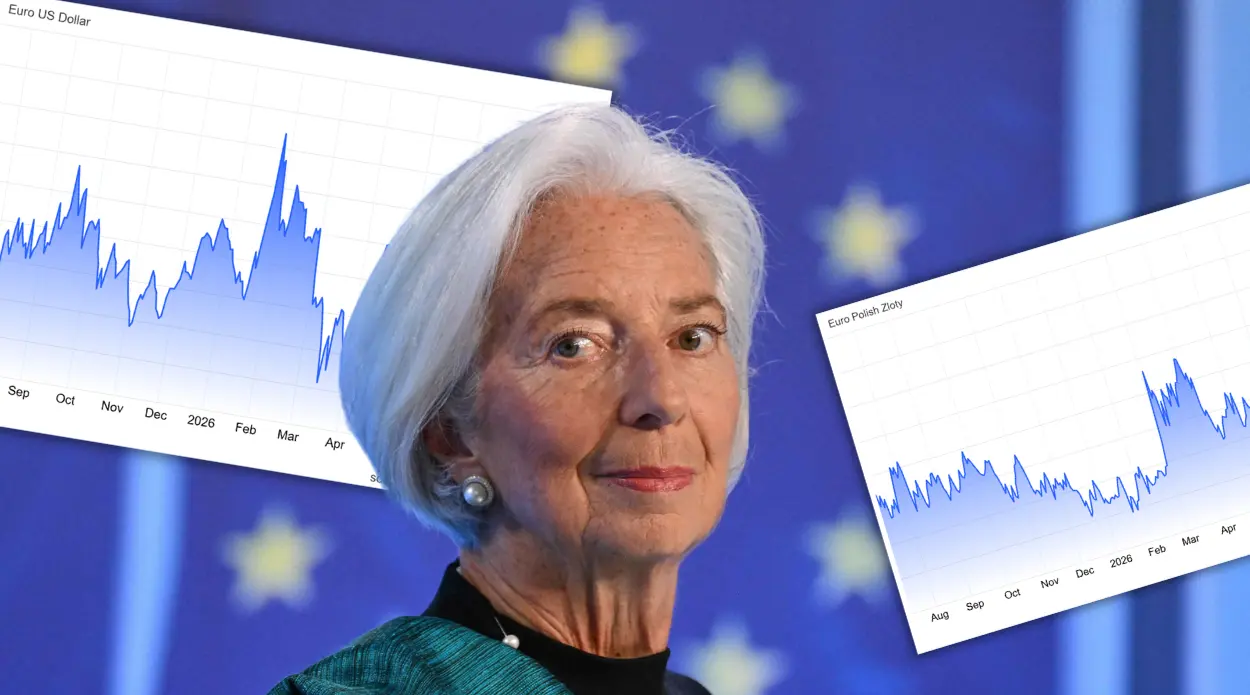
As with the Fed, we expect the ECB to keep rates in the euro zone, but the narrative surrounding the ECB decision will be crucial. Financial markets assume that at the next June meeting the bank will decide to raise the cost of money. Before we know the mentioned readings and central bank decisions, the €/US$ rate will move within a narrow band of 1.670 – 1.1710, remaining sensitive to any signals about the Middle East situation.
The zloty benefited from the stabilization of the €/US$ rate and the lack of new information on the USA–Iran negotiation stalemate, entering a consolidation phase. The €/PLN rates narrowed their range to 4.2410 – 4.2520, awaiting new impulses.
At the same time, market impressions are not changed by new media reports (the Wall Street Journal wrote about Donald Trump’s readiness to extend the Strait of Hormuz blockade as an economic pressure on Iran).
The market seems tired of falling information and awaits specifics. The other currencies of Central and Eastern Europe also exhibit little volatility. The Hungarian forint market calmly accepted yesterday’s decision by its central bank to maintain interest rates in line with consensus.
We likely have another relatively calm session ahead, during which the €/PLN rate will oscillate around 4.2470.

FI Market: Calm in core debt markets before key macro data. The national curve intensifies expectations of rate hikes.
The valuation of Treasuries or Bunds moves in sync with oil price movements. It is worth noting that in recent days the correlation between oil prices and the yields of core market bonds has intensified. While in previous days bond yields in core markets rose following rising oil prices, yesterday’s stabilization of the commodity price (though at a high level) only supported symbolic moves in the US and German curves. The 10‑year US yield is currently stabilizing at 4.35% (a 2‑week high). Meanwhile, the end of the German curve focuses around 3.06% (maintaining a 1.5‑month range of 2.90 – 3.10%).
The lack of new information on Iran may allow the market to compensate with macro releases. Apart from interesting inflation and GDP data from the euro zone and the USA that we will learn today and tomorrow, investors will focus on the narrative accompanying Fed (today) and ECB (Thursday) decisions. We expect that the divergence in monetary policy outlooks may reduce the spread between US and German debt.
Despite the stabilization visible in core markets, the end of the national curve rose yesterday in yield to even 5.75%. The market reacts this way to sustained high oil prices and intensifies its expectations for rate hikes in Poland. Over the year (FRA12x15 contracts), the market has priced in over 50 basis points of monetary tightening. The opportunity to slightly cool these expectations, in our view, will be tomorrow’s April inflation data, which will indicate a significant increase in price pressure in the Polish economy.
Yesterday the Ministry of Finance sold bonds of series OK0128, NZ0331, PS0731, DS1034 and DS0436 for a total of PLN9.0bn and a demand of PLN11.1bn. The modified offer, compared to the original assumptions, had a supply range of PLN5‑10bn. After the auction, the degree of pre‑financing of borrowing needs rose to 49%. Today the debt will be placed by the National Bank of Poland.