Labor Day is Coming
This year the May holiday is exceptionally busy. The only additional day off, somewhat ironically, is Labor Day itself. And this one-day extended weekend is increasingly problematic for markets. Investors are preparing for a longer break during which many things could happen. In the US, Friday remains a working day, but on Monday the UK observes its May bank holiday, and Japan celebrates Earth Day.
As a result, fewer investors are expected in the markets during this extended weekend. This means markets are already preparing for what might happen or what the US presidential administration might announce.
How are markets preparing?
Looking at the charts, we see a continuation of the same move that began earlier this week. Oil has risen more than $10 per barrel since Monday, and investors are wondering whether price records will be broken since the war began.
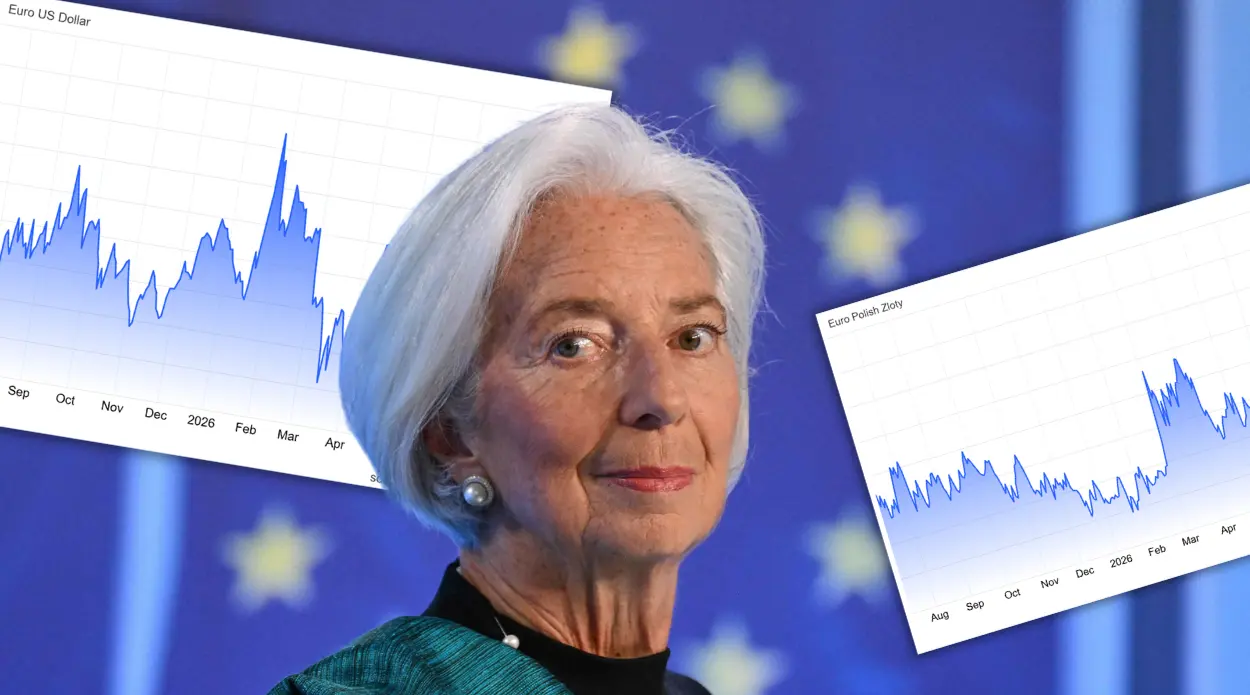
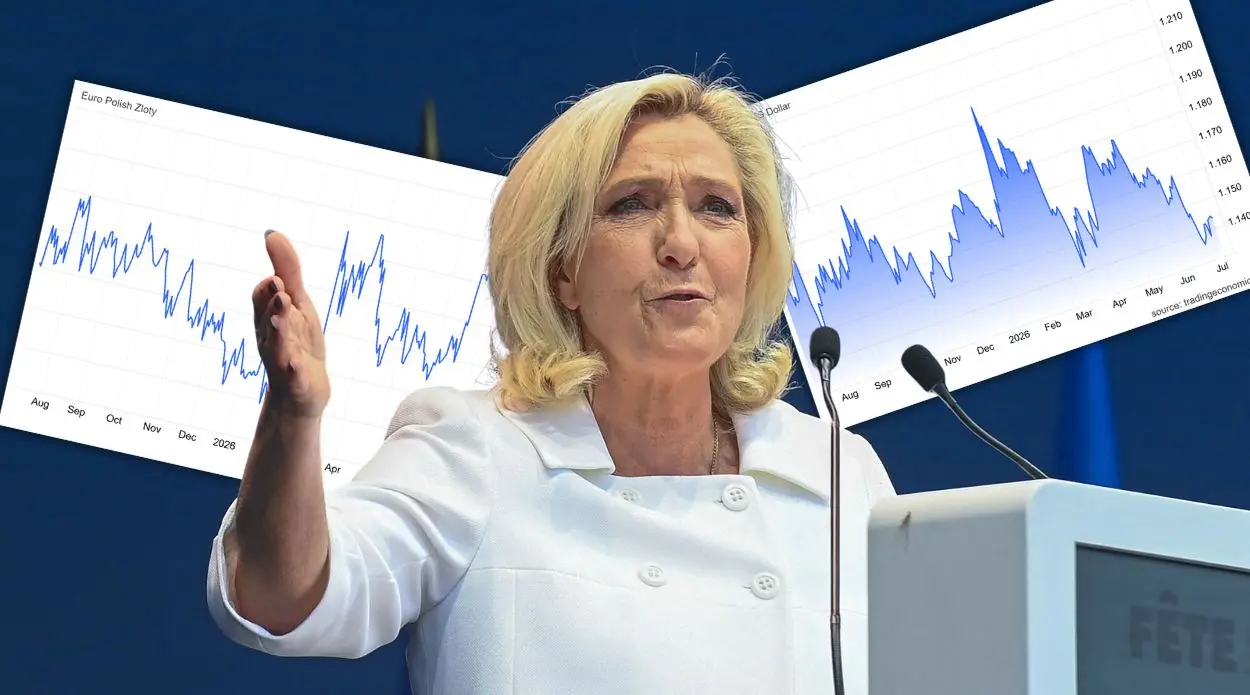
The US dollar continues to strengthen against the euro and is currently the strongest since early April. Capital outflow overseas also means it is leaving Poland. Consequently, we are seeing the euro at 4.26 PLN, also at its highest level since the beginning of the month.
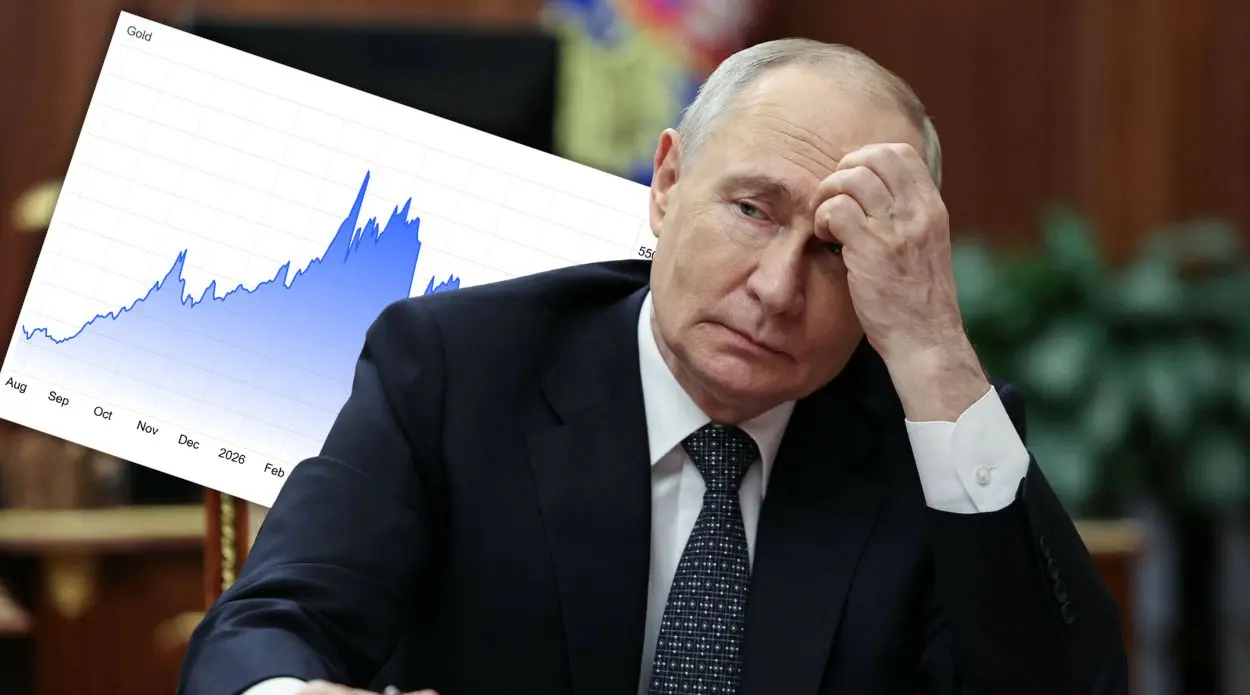
On the flip side, gold and bonds remain. The yield on Polish 10‑year bonds has just risen above 5.8%, and if it holds, it will increase borrowing costs.
US Holds Interest Rates Steady
It had been a long time since such an obvious Fed meeting. There were supposed to be no changes and indeed there were none. The most important event of the day turned out to be the vote in the Senate Banking Committee on Kevin Warsh. It proceeded exactly along party lines, made possible by the conviction of the blocking Republican senator. We are still waiting for the result in the Senate, where Republicans still hold the majority.
However, as the committee vote showed, this does not automatically mean the entire process will go smoothly. At the Fed’s press conference, they left a wide field for future decisions. It was noted, however, that on one hand inflation behaves better than expected. On the other hand, the labor market, despite high rates, remains very strong.
Today’s macroeconomic calendar lacks significant readings.