American investors return to the market
We are entering the summer period, which has usually been called the cucumber season, although with Donald Trump at the helm of the White House almost every month and quarter brings new, not necessarily positive emotions. After the 250th anniversary of U.S. independence, American investors return after an extended weekend with optimism, although recent labor market data show that the situation may not look as good as we have been accustomed to in recent months.
Will weak labor market data change the face of the hawkish Warsh?
The past week brought us a mixed reading of U.S. labor market data, indicating that the world’s largest economy is not doing as well as recent data had suggested. The change in nonfarm employment was only 57,000, against an expectation of 110,000. Equally important, we observed a significant decline in the leisure sector, where revisions for the previous two months resulted in a total employment drop of over 120,000. All of this happened just before the start of the World Cup, which was expected to further support the U.S. economy.
Kevin Warsh, at the first press conference during the June meeting, presented himself from a rather hawkish side, indicating a willingness to fight inflation while pushing labor market issues to the background. At the same time, we see a fairly rapid return to normalcy in the energy market, which could quickly lead to lower gasoline prices. It also does not appear that Warsh intends to heavily interfere in monetary policy before the congressional elections in early November. That is why expectations for rate hikes may fall slightly, although a full increase is still priced for December of this year.
Japan: Record yields and historic yen weakness
The Japanese yen has again come under selling pressure, hovering at 162 against the U.S. dollar. Given the surpassing of previous multi‑year highs from 2024, investors await any information on potential currency interventions. At the same time, recent reports suggest that Japanese officials may change their current tactics and abandon public signaling of defense levels, aiming instead to surprise speculators and raise the cost of a yen decline.
The latest tense situation is further complicated by a strong sell‑off in the debt market. 10‑year government bond yields rose by 5 basis points to 2.82%, reaching the highest levels since 1996. This pricing reflects market fears of fiscal expansion and the controversial economic proposals of Prime Minister Sanae Takaichi, such as reducing the food sales tax to 0%. The market fears that the Bank of Japan (BoJ) is far behind the curve in responding to entrenched inflation. Institutional forecasts pour fuel to the fire. Goldman Sachs revised its annual yen forecast downward, raising the expected USDJPY level to 165, further encouraging investors to open carry trade positions at the expense of the yen.
Will the RPP change its outlook after falling inflation?
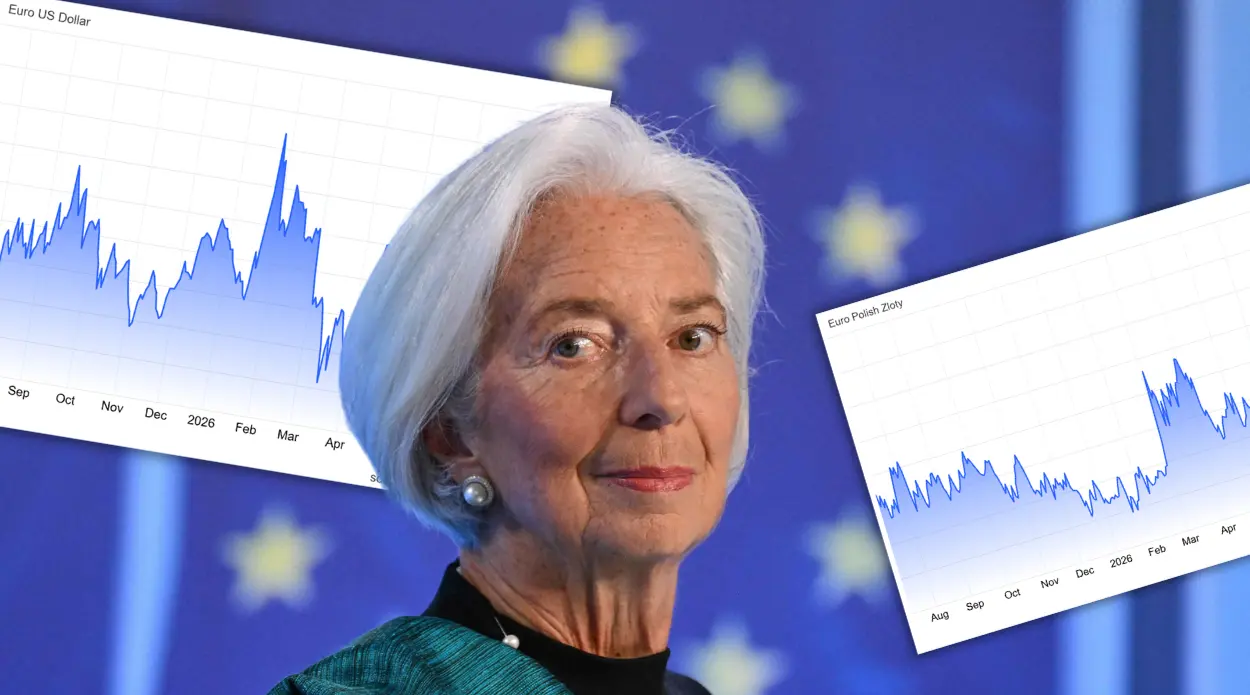
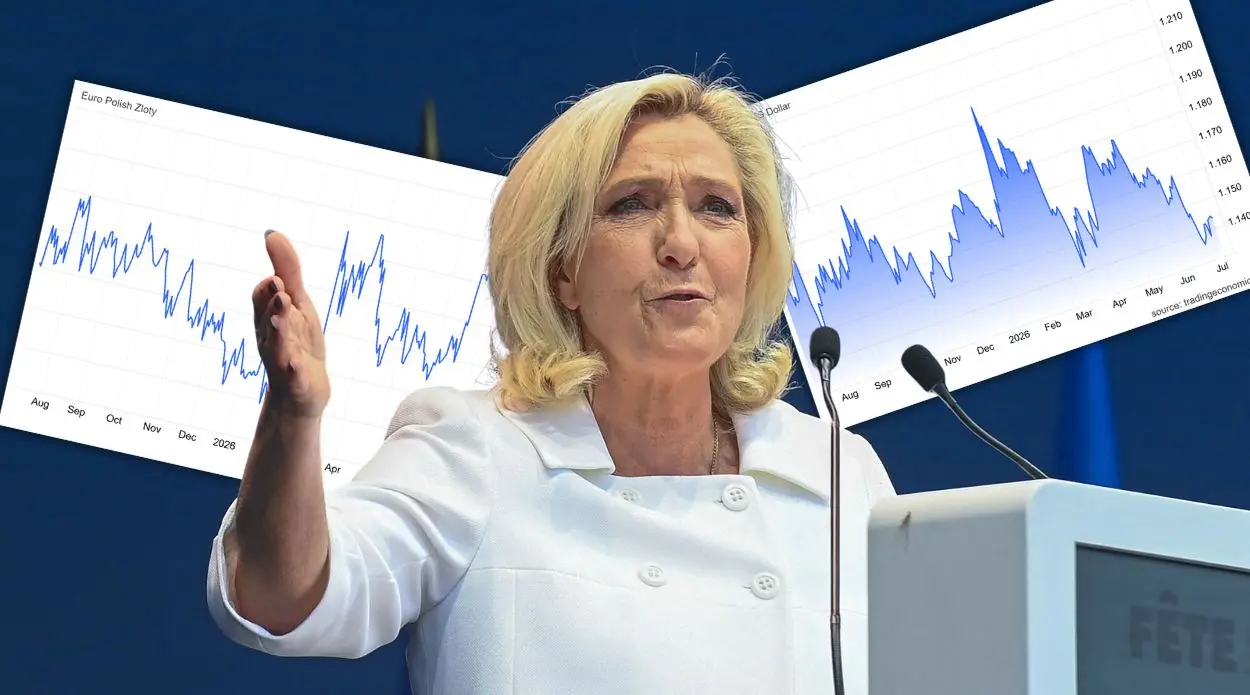
The national foreign exchange market enters the second half of the year in relatively stable moods, and the zloty, although recently sold off, still appears to be a relatively resilient currency against global turbulence. This week we await the RPP decision along with new inflation forecasts. It does not seem that the RPP has room to communicate possible rate hikes, although the return of the normal VAT rate on fuel and a price increase at stations of about 70‑80 groszy per liter could bring inflation back to around 3% this month. On the other hand, it will still move within the target range of 2.5% plus or minus one percentage point.
Interestingly, after the latest inflation drop to 2.5% year‑on‑year in June, even market expectations for a rate cut have emerged at the end of this year. A possible shift in RPP stance and the risk associated with the EU’s largest budget deficit could weigh on the zloty in the long term, but the lack of energy price risk should be positive for our currency.
Currency rates on Monday, July 7, 2026
Before 10:00 a.m. we observe a relatively stronger dollar, which mainly burdens the Japanese yen or the New Zealand dollar, which is potentially preparing for a rate hike this year. The Polish zloty is expected to remain stable in the market and only loses to the U.S. dollar. We pay 3.7543 PLN for a dollar, 4.2889 PLN for the euro, 5.0089 PLN for the pound, 4.6613 PLN for the franc