U.S. Data
Thursday brought us a package of data from the U.S. labor market. It started with a strong opening. The unemployment rate, contrary to expectations, fell from 4.3% to 4.2%. However, the same package also included other data. Unemployment does fall, but the number of new jobs is growing much slower than expected. The decline in unemployment is therefore an effect of people leaving the labor market.
Both in the agricultural sector and in the private sector, an increase of 110,000 jobs was expected. Instead, 57,000 and 49,000 appeared respectively. Despite initial optimism, it is not that good. We also learned the number of unemployment benefit claims, which was 215,000 and symbolically lower than expected. This, however, confirms the thesis that the improvement in the labor market does not come from the growth in the number of jobs.
We must remember that the demographic boom generation (the so-called baby boomers) is leaving the market, and the next generation is not as large. However, the scale of this problem in the U.S. is smaller than in Europe or Japan.
How the dollar reacts?
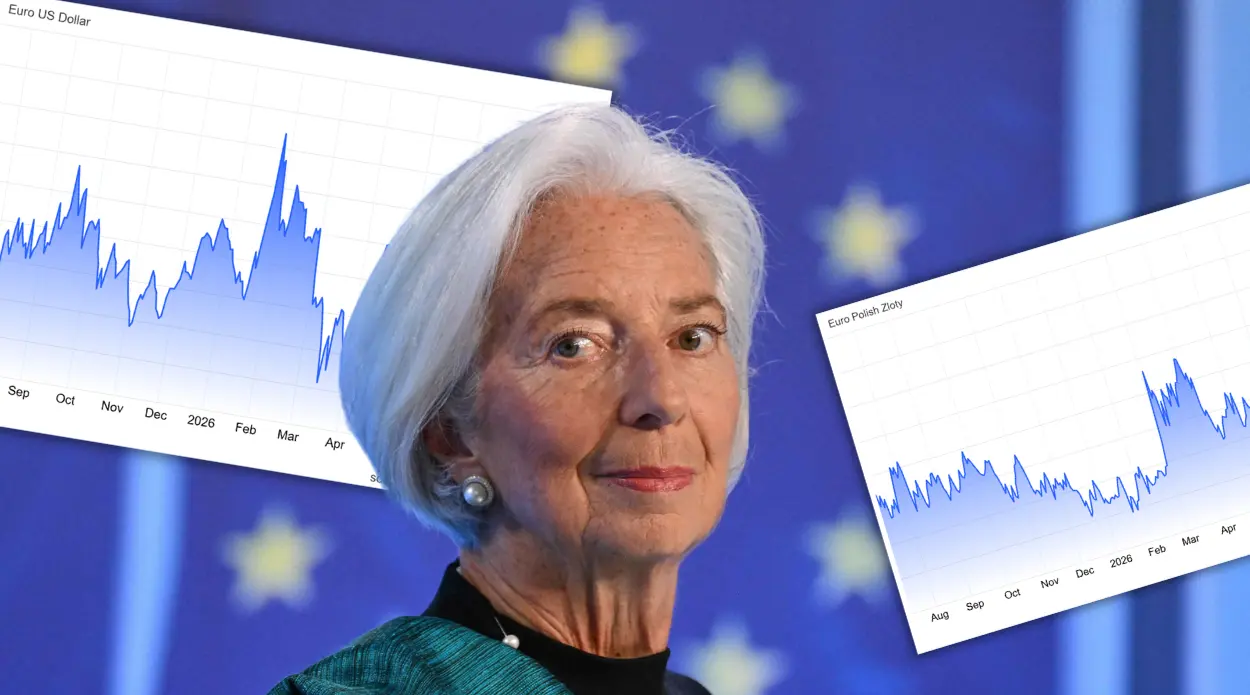
The U.S. currency began yesterday at 1.1375 dollars per euro. By evening we were already around 1.1450. The latest strengthening was due to changes in expectations regarding interest rate levels, specifically the expected second rate hike within the year.
All of this is compounded by weaker labor market data. Investors look much more at new jobs than at the unemployment rate. We must remember that the Fed has a so-called dual mandate. It must care not only about inflation but also support employment.
With such data, a second rate hike is therefore very unlikely. Since we are again returning to the concept of one hike, it is not surprising that investors are turning away from the dollar.
What about the Polish zloty?
Earlier on Wednesday the euro rate was above 4.30 zloty. The weakness of the dollar, however, causes capital to flow into riskier markets. As a result, it also reached our part of the world. This is seen both in currency pairs, where not only the Polish zloty but also the Czech koruna and Hungarian forint are rising. It is also seen in the bond market.
Yesterday we ended the day, for the first time since the U.S. attack on Iran, below the 5.25% level on Polish bond yields. This shows that capital is slowly returning to Poland, despite expected rate cuts. However, this does not mean that a quick return below 4.25 zloty per euro should be expected.
Today in the macroeconomic calendar there are no important readings.