European labor market stable. Poland leads EU in low unemployment
Today’s calendar includes only the German and euro‑zone services PMI. Preliminary data from last week indicated a deterioration in German services and an improvement across the euro‑zone. The PMI for China’s services sector, released overnight, will decline but less than consensus expected. Eurostat will also publish the first non‑financial sector national accounts data for Q1, including corporate profitability and household saving rates.
The unemployment rate in the euro‑zone in May remained unchanged from the (down‑adjusted) April figure at 6.2% seasonally adjusted. Across the EU the rate was 5.9%, also unchanged month‑on‑month. In Poland there was a minimal rise of 0.1 percentage points to 3.1%, the third best result in the EU after the Czech Republic and Bulgaria (2.9%), tied with Cyprus.
According to Eurostat, services production in April rose 6.0% year‑on‑year after 8.3% in March. The slower annual growth was mainly due to lower readings in the IT sector (5.6% versus 8.5% y/y the previous month) and professional services (5.6% versus 7.3% y/y). Conversely, hospitality production rebounded significantly, accelerating to 5.4% y/y from 2.1% in March. We expect services production to grow at a similar pace of 5‑6% y/y in the coming months.
Weak US labor market report hits the dollar
The US June labor market report was weaker than expected – employment rose only 57,000, and after revisions the balance turned out slightly negative.
Unemployment fell 0.1 percentage points to 4.2%, while the market had expected a stable 4.3%.
Industrial orders fell 1.3% month‑on‑month, less than anticipated.
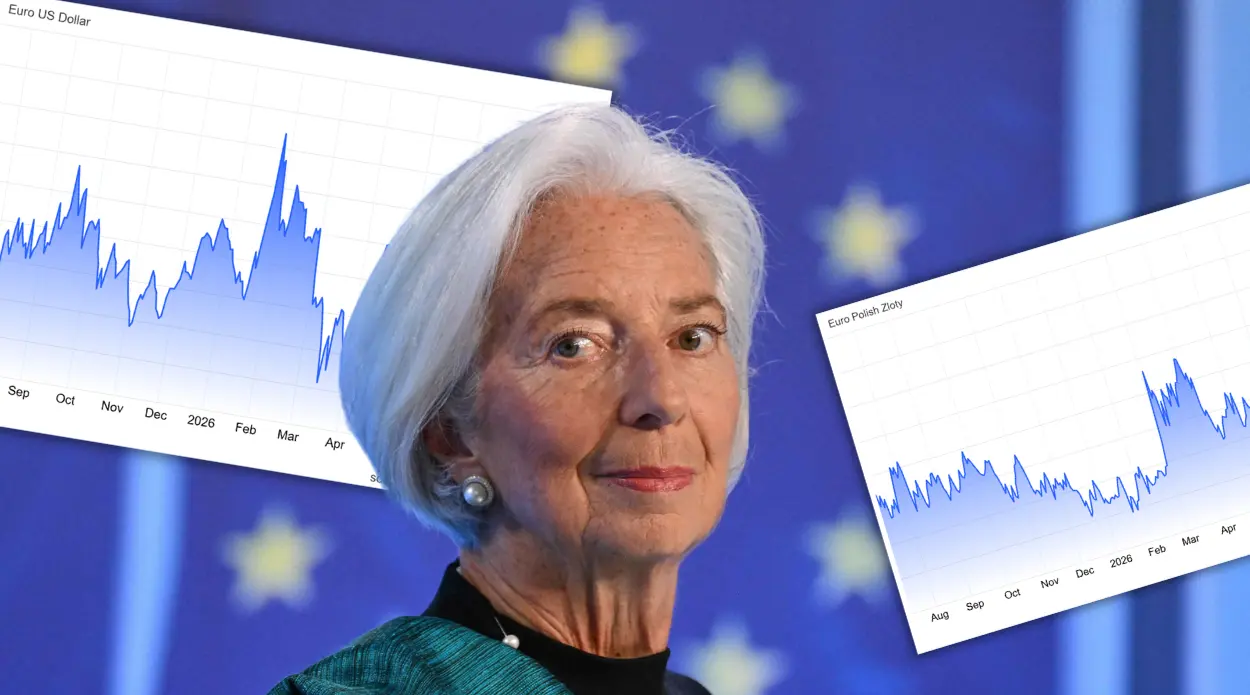
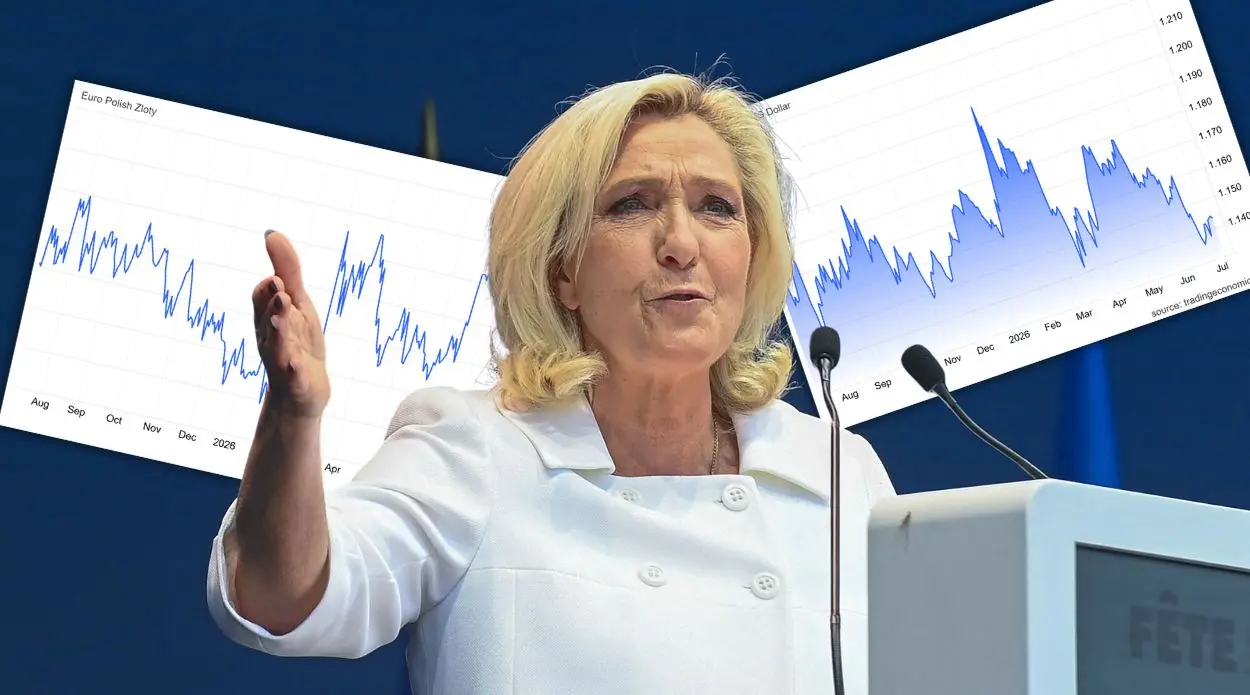
As a result of weaker US data, the dollar weakened yesterday by 0.5% with EURUSD at the end of the European session at 1.145.
CEE region currencies benefited, with EURPLN falling 0.2% to just over 4.28.
Brent crude continued its mild downward trend and is now below $71 per barrel. Gold and silver prices jumped 2‑3% day‑to‑day.
Polish debt had another favorable session. Bond yields fell 4‑5 basis points, and market IRS and FRA rates fell 2‑4 basis points.
German bonds saw no significant changes, while US Treasury yields fell 5 basis points for 5‑year notes and 11 basis points for 10‑year notes.