What do the data say, and what will the RPP do?
The last few days have shed new light on inflationary concerns in our country. The first surprise was the Friday preliminary CPI reading for May. The consumer price increase of 3.1% YoY remained within the NBP target, despite the expected jump from 3.2% YoY to 3.7% YoY.
Yesterday markets received another concrete data point: the GDP publication. The national economy grew at a rate of 0.6% QoQ (forecast 0.5% QoQ) and 3.5% YoY (forecast 3.4% YoY). A growth rate lower than forecasted, combined with a faster economic development, creates a backdrop that raises concerns about uncontrolled deterioration in the country.
Most analysts share this view, pointing to a lack of movement in today’s Monetary Policy Council meeting. This would mean keeping the reference rate at 3.75%. If that happens, the cost of money will still be higher than the average consumer price growth in the economy, which also does not pressure for hikes. However, if it does change, markets will be surprised, and the forex could see a strengthening of the national currency.
Polish zloty under pressure from external factors
Since we live in a wartime environment and the media feed us heavily polarized information, a lot of emotion appears in the market. These emotions drive the charts, and the last display was yesterday before 16:00. The weekend market slump regarding the lack of progress on the US‑Iran agreement deepened in the afternoon. With the intensification of Israeli attacks in Lebanon, the Iranian side threatened to suspend peace talks. This was a trigger for a rise in oil prices – the American variant in the evening approached about 94.5 USD per barrel.
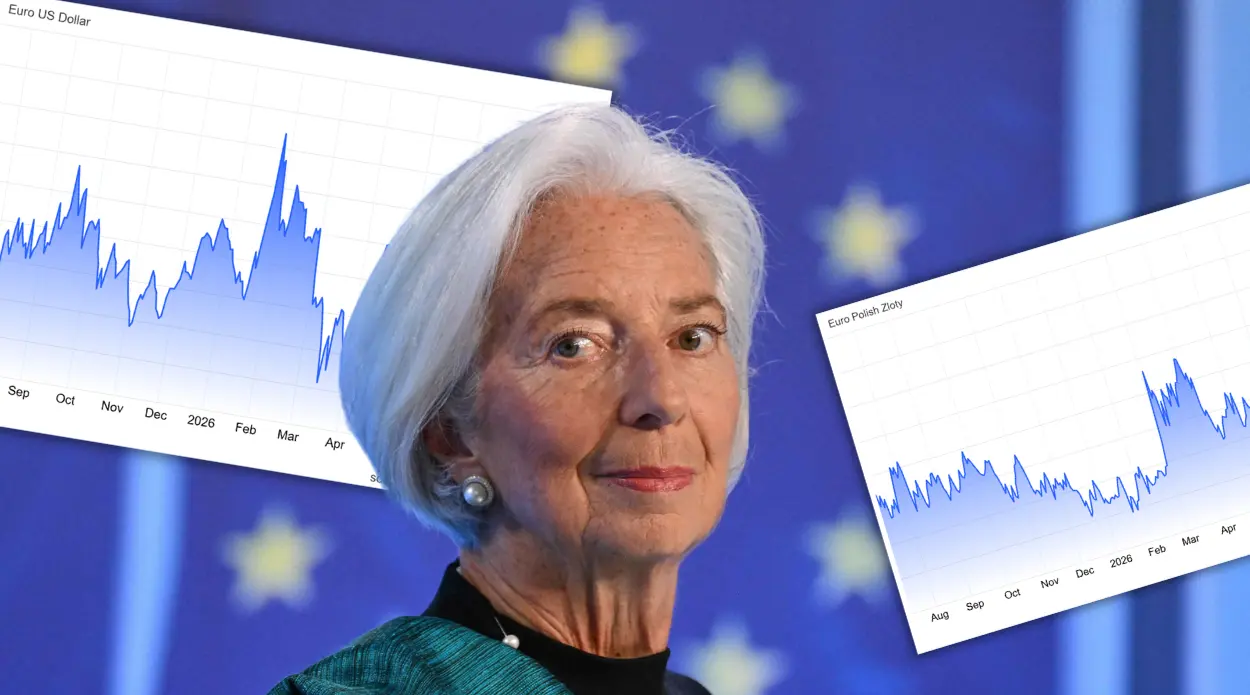
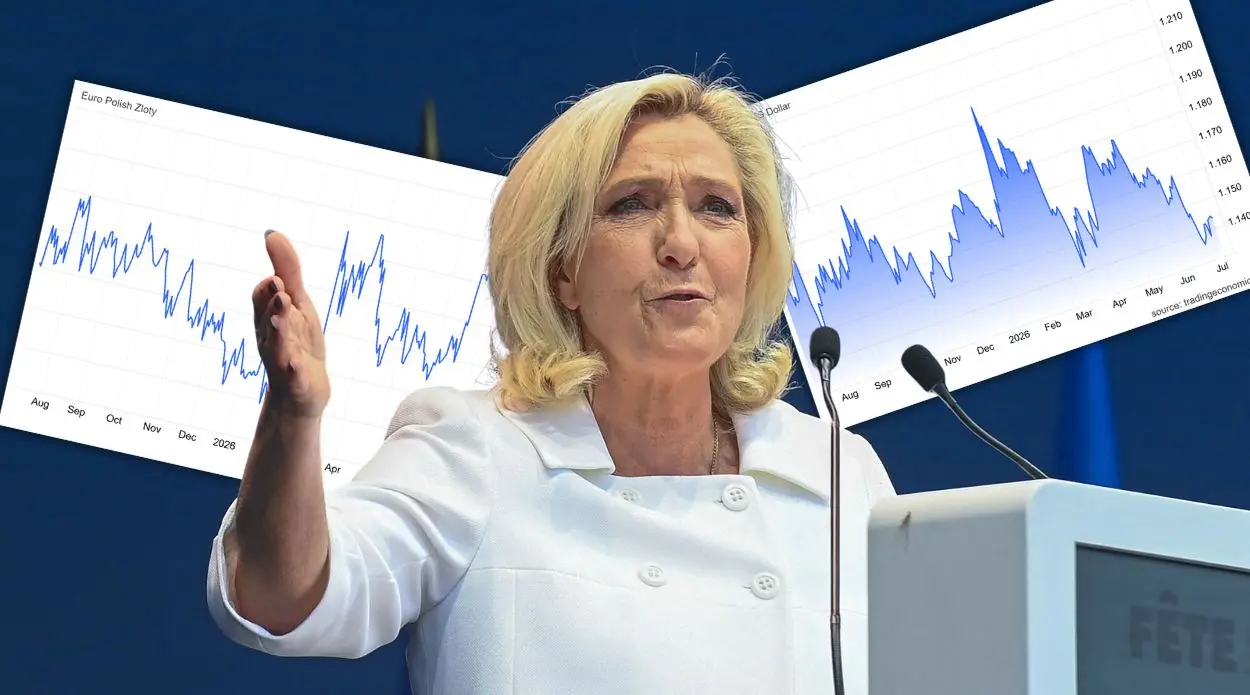
The effect was immediately visible also in the currency market, where we saw a flight to the dollar and capital outflow from emerging market currencies. Shortly after the news, the EUR/USD fell to 1.16 USD.
At the same time the zloty lost value. The EUR/PLN rose to 4.24 PLN, and USD/PLN broke 3.65 PLN.
Dollar rate – forecast for the coming days
The confusion quickly ended, and by Tuesday morning the narrative dominated was that Trump had agreed to a ceasefire between Israel and Hezbollah.
This opens the way for further negotiations on the USD‑Iran line. The result is the erasure of yesterday’s moves and a return to levels before the sudden swings.
However, there remain many doubts about the durability (or rather fragility) of the current "stabilization", and the biggest are divergent views and dissatisfaction of the Israeli prime minister.
In case of any increase in risk we can expect a renewed flight of capital from emerging market currencies and a strengthening of the dollar.
Macro data again in the background
Since financial markets have shifted their attention to geopolitics, the latest PMI and ISM data for industry had little impact on currency quotes. These indicators attempt to gauge sentiment for the coming months in the studied economic sector. They range from 0 to 100 points. The neutral level is at the midpoint.
Everything above 50 points suggests growth, below – a downturn. The eurozone PMI fell from 52.2 points to 51.6 points. The decline was however shallower than the forecasted level of 51.4 points. A little later we learned the ISM report for industry.
The rise of the US index from 52.7 points to 54 points was stronger than the expected 53 points. Thus both readings remain in the growth zone, but across the ocean the situation seems slightly more favorable.
Better forecasts do not force any central bank to cut rates to improve the situation. Is this another sign that next week’s ECB hike may materialize? Many analysts suggest so.
Looking at the euro‑dollar chart, which after yesterday’s reduction of geopolitical risk quickly returned from 1.16 USD to 1.165 USD, we can also infer that the market fundamentally recognizes the strength in the common currency, which however may be shaken by escalating reports from the Middle East.