The fragile ceasefire in the Middle East is falling apart
The exchange of fire between the United States and Iran on Monday once again called into question the durability of the current ceasefire in the Middle East, Bloomberg reports.
Also read: Suspicious oil market transactions. The insiders made billions of dollars. "A terrifying example of market manipulation"
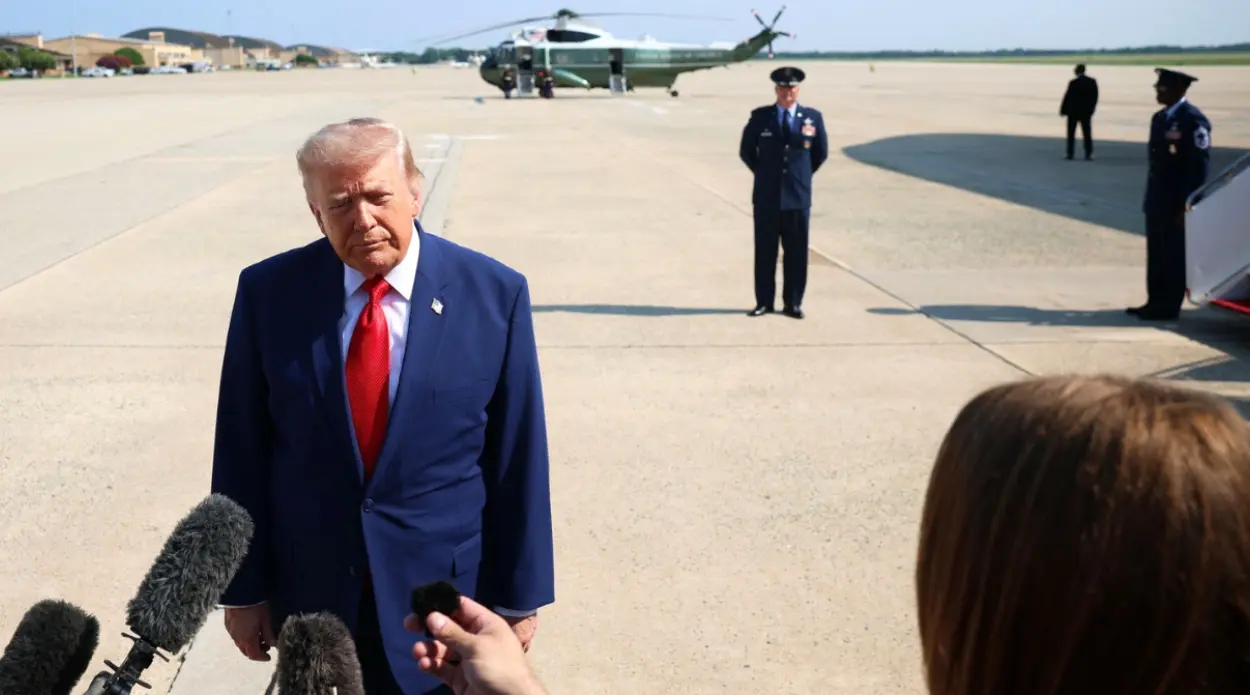
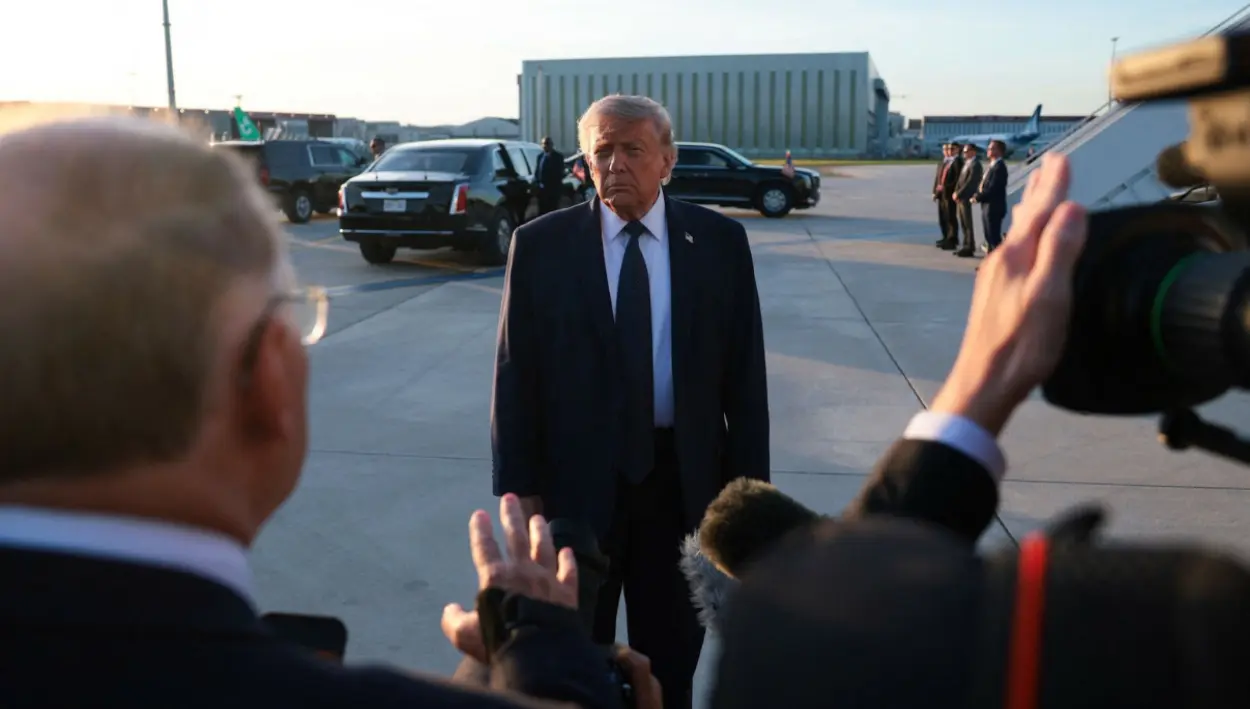
"Iran carried out several attacks on foreign vessels as part of the Project Freedom operation, including a South Korean cargo ship. Perhaps it is time for South Korea to join this mission!", Donald Trump said in a post on Truth Social.
"We shot down seven small boats or, as they call them, fast boats. That’s all they have left. Apart from the South Korean ship, no damage has been reported in the Strait of Hormuz at this time," he added.
The U.S. President also announced a press conference on Tuesday, which will be attended by Secretary of Defense Pete Hegseth and General Dan Caine, Chairman of the Joint Chiefs of Staff.
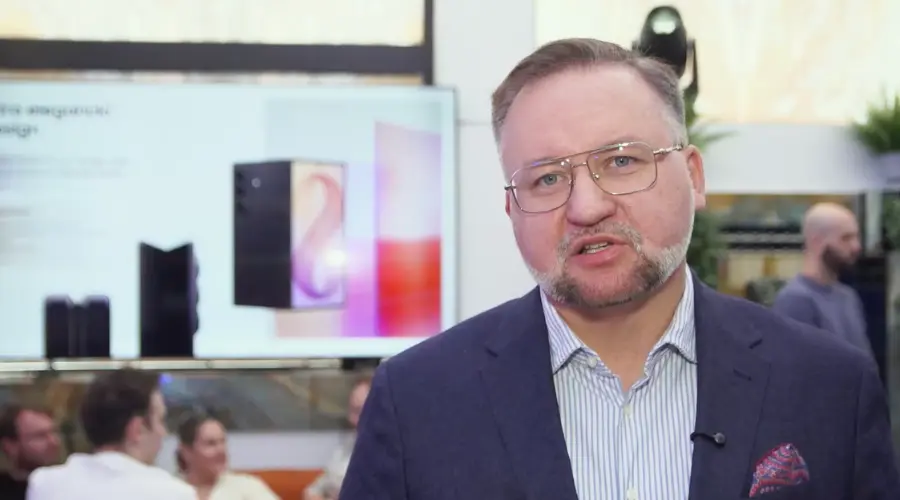
Krzysztof Kamiński, a financial markets analyst at OANDA TMS, provided commentary on the current situation in the Middle East in an interview with FXMAG, stating that "the situation is currently very fragile".
"Beyond geopolitics, the most important factors for USD/PLN and EUR/USD are currently oil prices, inflation, interest rates, and expectations of central banks", he said.
The currency market reacts primarily to energy price spikes. On May 4, Brent futures rose to about 115 USD per barrel after tensions escalated around the Strait of Hormuz. Such a rise raises inflation expectations, worsens growth prospects, and increases volatility in the debt and currency markets.
For USD/PLN, higher oil prices usually mean greater risk aversion and pressure to weaken the zloty. Fed policy remains significant. For EUR/USD, the factor is ambiguous, as higher oil hits Europe as an energy importer, but at the same time it can strengthen expectations of a tighter ECB policy.
The expert also reminded of the Fed’s recent decision, which on April 29 kept the federal funds rate range at 3,50–3,75%.
"John Williams of the New York Fed said on Monday, May 4, that monetary policy is well‑aligned with the conditions of heightened uncertainty, persistent inflation, and labor market risks. This message supports the dollar because it limits expectations of rapid rate cuts in the U.S.", he said.
Inflation in the eurozone is also important. According to a quick estimate by Eurostat, HICP inflation rose in April to 3.0% YoY from 2.6% in March, and the energy component increased by 10.9% YoY. This makes it harder for the ECB to ease monetary policy, but at the same time high energy prices are negative for economic growth in Europe, so the euro does not automatically benefit from higher inflation.
The relative attractiveness of the zloty also matters. The PLN benefits from relatively high interest rates in Poland, but remains sensitive to global risk aversion. When investors fear inflation, high oil, and disruptions in international trade, they often reduce exposure to CEE region currencies. Additional factors are macroeconomic data and foreign trade. Weaker data from Europe or threats of new U.S. tariffs on European exports can weaken the euro against the dollar. On Monday, European stocks fell partly due to concerns about new tariffs on European cars and trucks.
Also read: Dollar rate before the shock? Powell leaves the Fed. Tensions could affect USD/PLN and EUR/USD
See also: Will the dollar surprise again? The expert issued a forecast for USD/PLN and EUR/USD. "It’s hard for me to believe there will be no more fires"
Dollar and euro rates on Tuesday, May 5
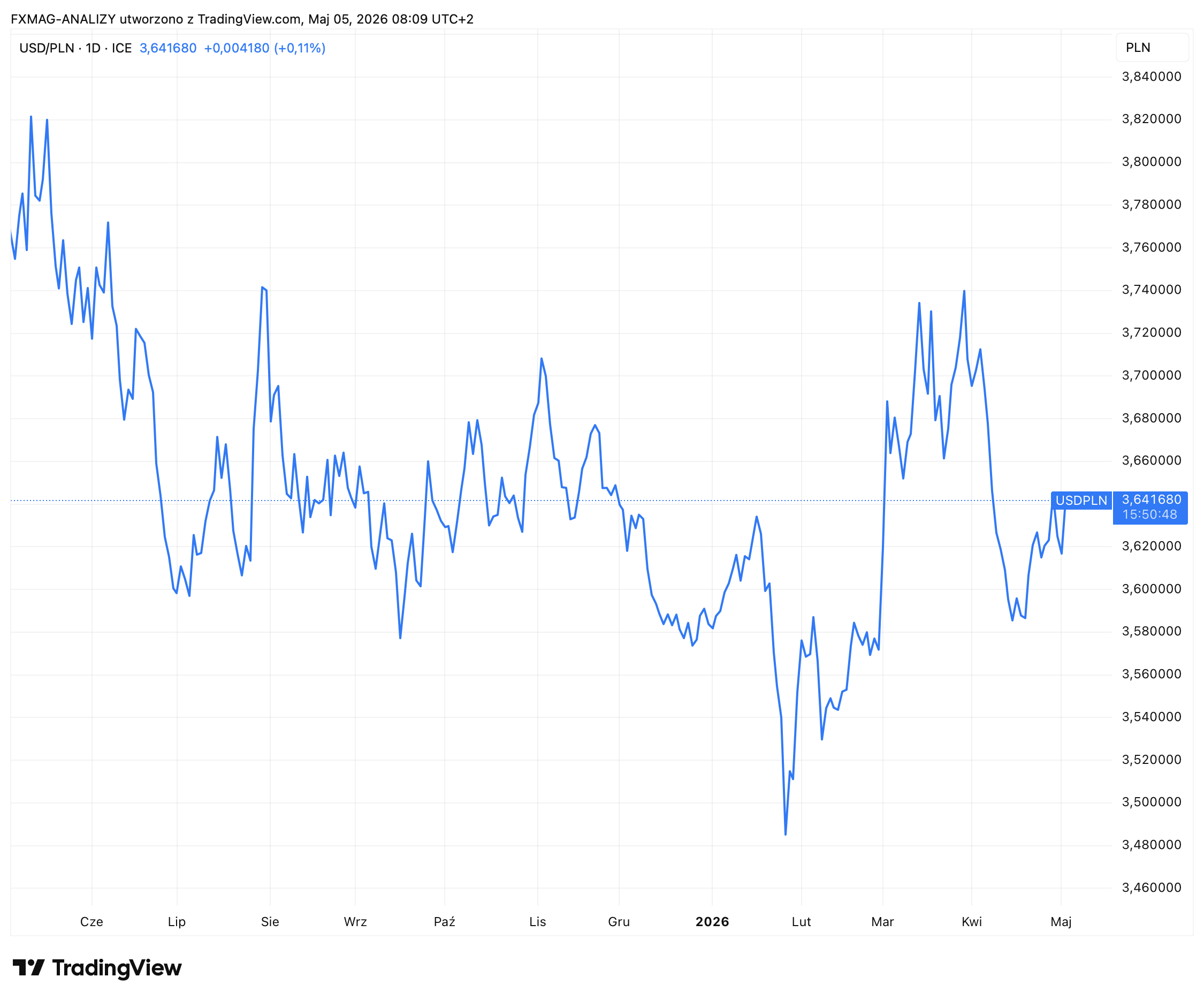
The dollar to zloty rate on Tuesday, May 5 is at 3,64 PLN.
Chart. Dollar to zloty rate (USD/PLN)
Source: TradingView.
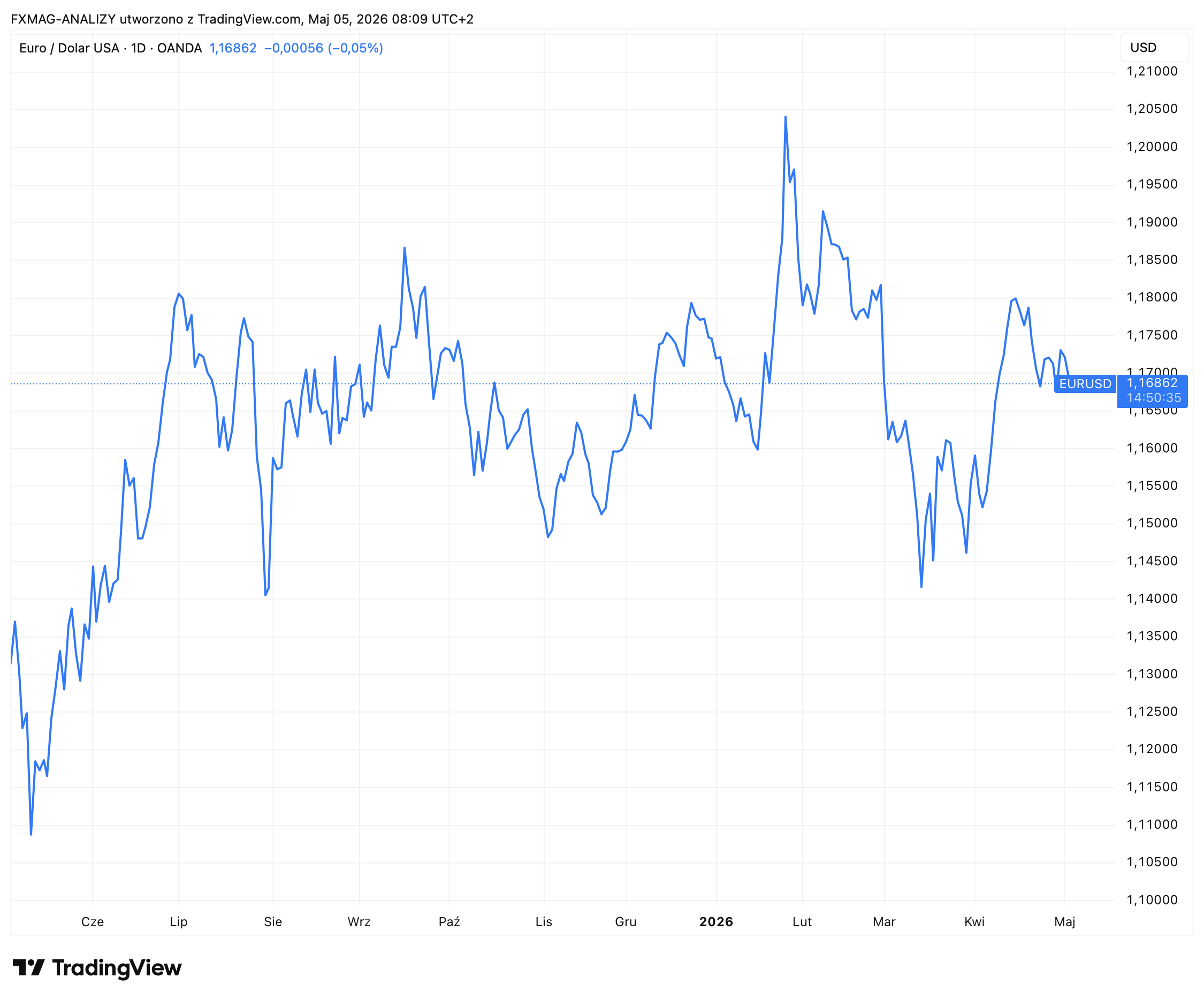
The euro to dollar rate reaches 1,16 USD.
Chart. Euro to dollar rate (EUR/USD)
Source: TradingView.
Also read: Euro rate will surprise soon? The expert says what will happen with EUR/PLN and EUR/USD
See also: Will the dollar return to 4 PLN? A land invasion of Iran still poses a threat. Expert: "Unlikely, but still potentially possible"
Sources: Bloomberg, Truth Social.