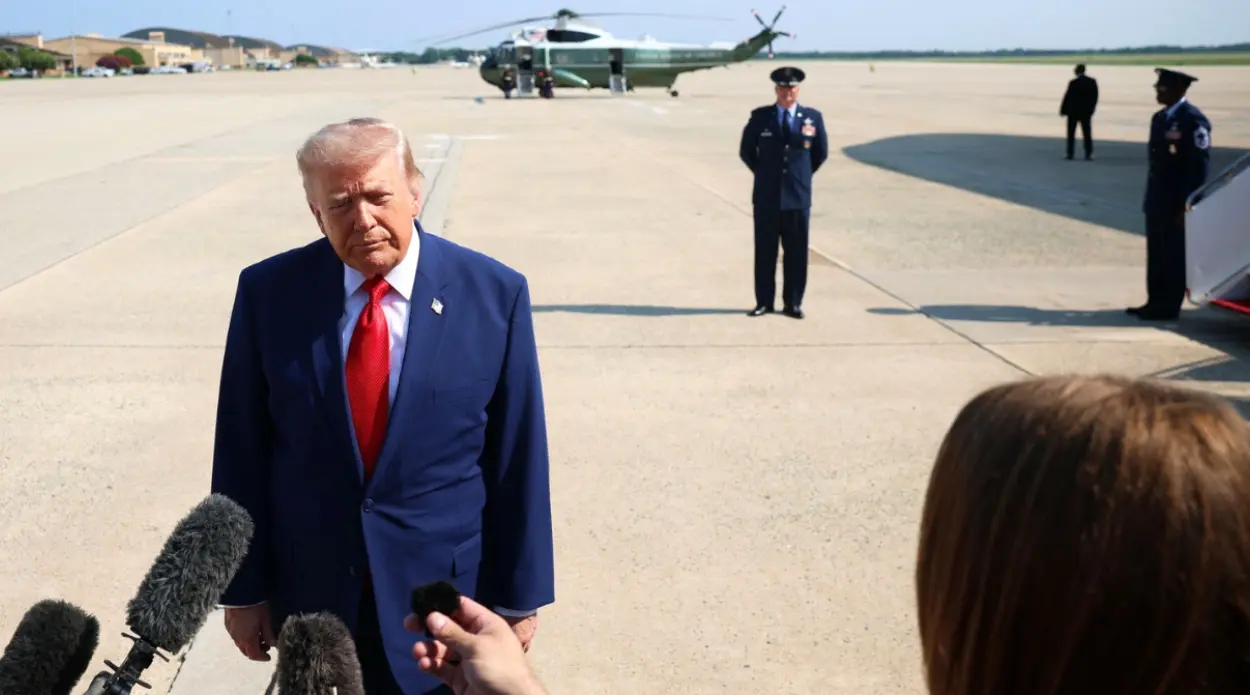
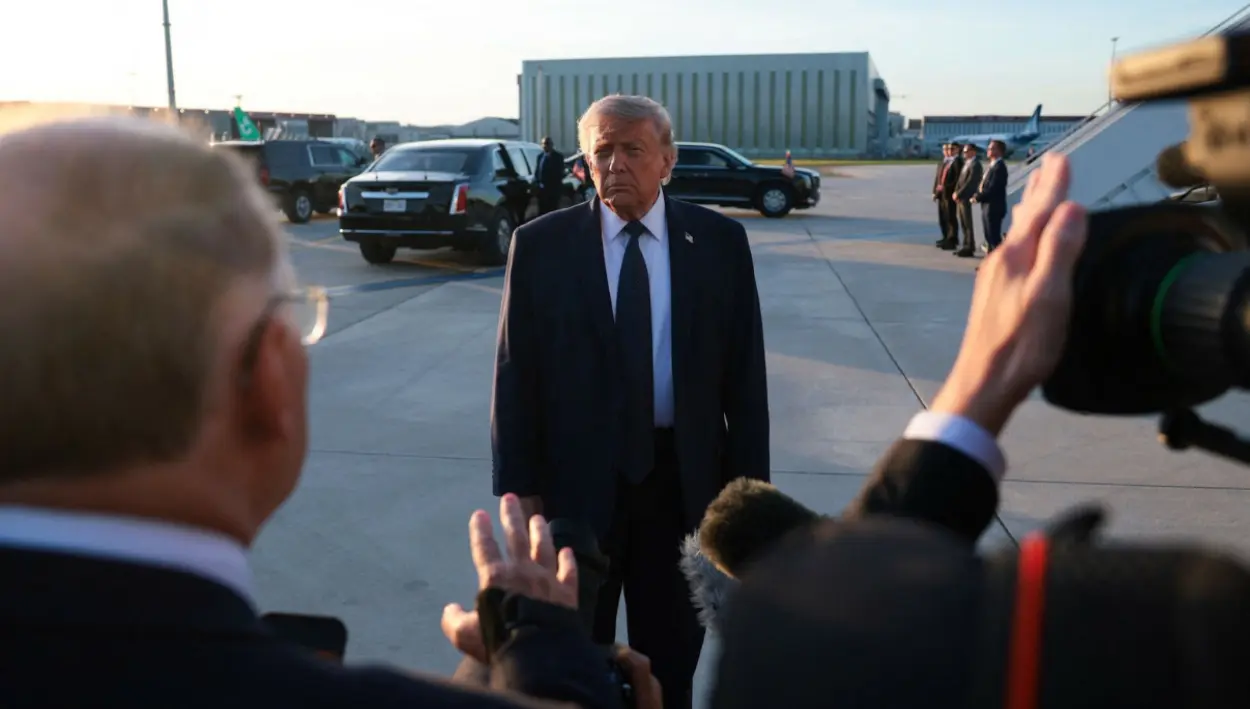
They are talking about work on a so‑called letter of intent that would end the war and initiate a 30‑day period of intensive negotiations covering the Strait of Hormuz and the nuclear program. Trump was to give the Iranians a multi‑day "ultimatum". However, significant differences of opinion remain – the parties are rejecting the possibility of substantial compromises. The situation therefore remains quite tense – the military option is on the table – although it seems the parties want to avoid it.
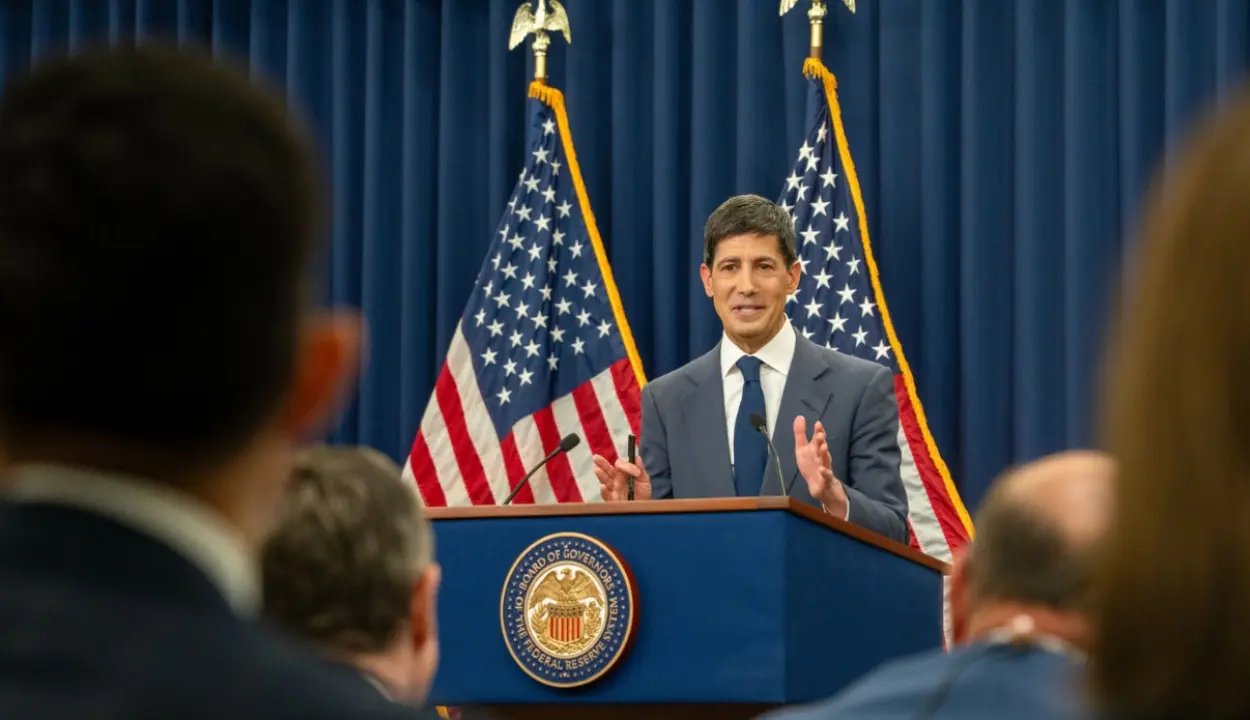
Informally it seems the position of Vice‑President J.D. Vance is growing, who strongly advocated continuing the diplomatic path – the question is whether this is already a signal that the politician is "playing himself" in the context of Donald Trump’s declining popularity, internal battles in the Republican Party before the midterm elections in November, and the key showdown in 2028.
The dollar gains in the broad market
Oil prices fell sharply on Wednesday afternoon and today we see only a slight rebound. Markets are currently rejecting reports of rapidly falling supplies of this commodity, which could lead to a serious crisis if the flow in the Strait of Hormuz is not restored. Yesterday’s event was also the minutes from the last FED meeting, which only confirmed the growing pressure to change the approach to a more "hawkish" stance. Nevertheless, market expectations for the December rate hike have not changed much – investors assume that the key may be the further scenario regarding Iran, i.e., the oil situation.
On Thursday morning the dollar gains in the broad market, but this is more a result of sustained uncertainty in the geopolitical context. This is also reflected in the behavior of futures on U.S. indices. Better than forecast financial results from NVIDIA (EPS 1.87 USD versus forecast 1.77 USD, revenue 81.62 billion USD versus consensus 79.19 billion USD and higher revenue forecasts for the next quarter) did not help. The question is how much speculation about difficult prospects in the Chinese market weighed, and how much we simply did not see the so‑called "fact sales".
What next? The end of the week may still be quite emotional – markets will dominate speculation about further scenarios regarding Iran. Especially as the weekend approaches. In the macro calendar we have today preliminary PMI index readings for May, which look weak. Weak PMI data came from Australia (additionally, a poor labor market report was noted – unemployment jumped in April to 4.50%), which will affect the RBA policy outlook (a longer pause in rate hikes?). The Eurozone PMI also disappointed – in May the industrial index fell to 51.4 points, and services to 46.4 points.
However, this should not affect the strong expectations for a rate hike by the European Central Bank at the June 11 meeting (this was recently communicated by "sources" in the ECB). We still have PMI estimates from the UK (10:30) and the USA (15:45). In addition, the US calendar will also feature Philly FED readings, weekly unemployment, and data on permits and started construction – all at 14:30.
Will EURUSD curb the decline?
The weaker Eurozone PMI data do not have a major impact today.
They will not change the trajectory of expectations for the June ECB rate hike (meeting already on June 11). In a situation where pressure to strengthen the dollar weakens, if there is a de‑escalation around Iran and oil price declines, this will be one of the most important factors affecting the EUR position in the coming days.
Technically, a concept of defending the upward trend line drawn from March support is beginning to take shape, which, if realized, would result in a return to around 1.17‑1.1750 in the coming days.

Daily EURUSD chart