EUR/USD, or the hawkish ECB versus the American safe haven
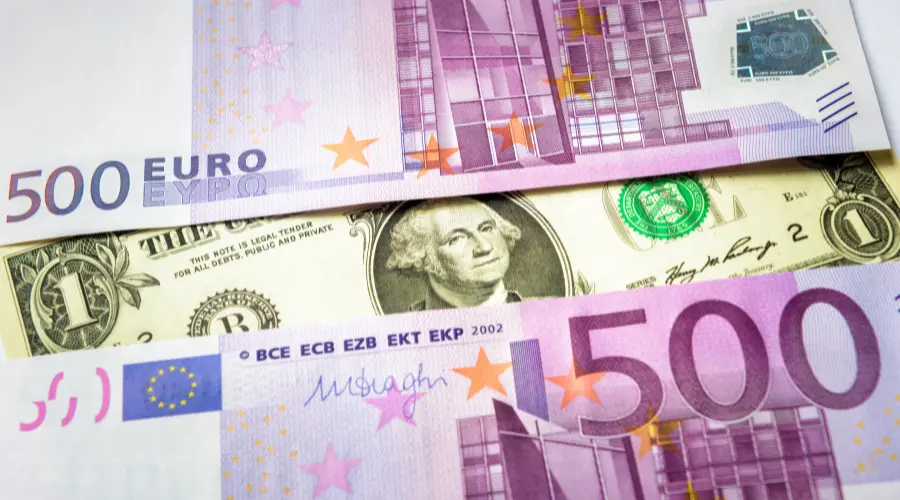
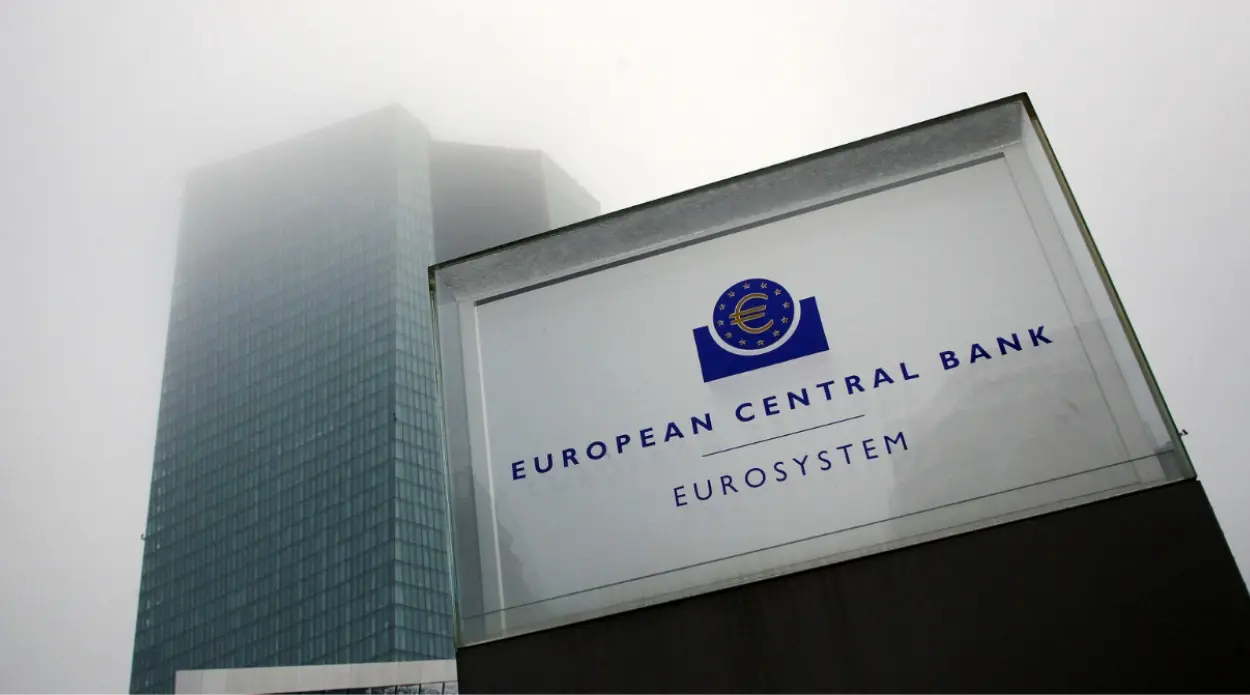
For traders dealing with the EUR/USD pair, the most important event on the investment calendar becomes the June meeting of the European Central Bank, scheduled for June 10-11. The market corridors and social media are buzzing with speculation. The ECB may take a decidedly more restrictive stance on inflation. Price pressure in the euro zone refuses to relent, a habit reinforced by recent energy price rises. For this reason some analysts are putting forward a bold forecast: a single 25 basis point interest rate hike.
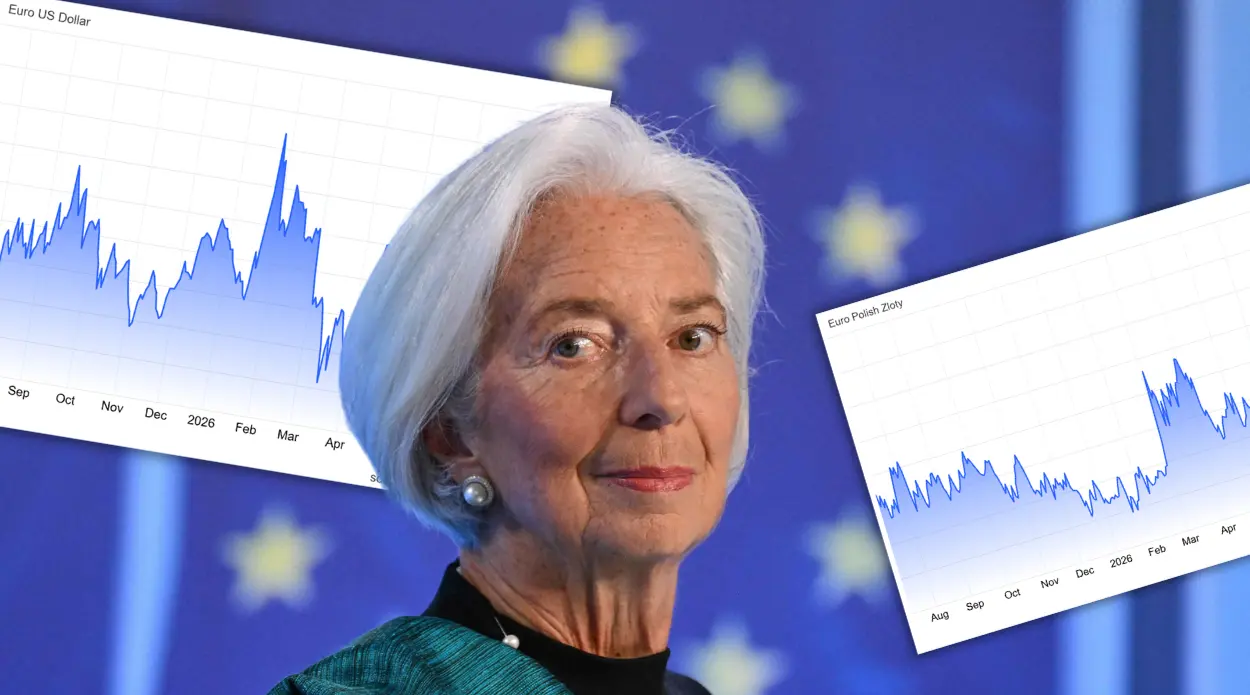
All uncertainty, however, stems from the increasing number of contradictory signals indicating no rate movement after the June meeting. If Christine Lagarde and her team truly play aggressively, suggesting a decisive battle against inflation, then the euro will receive powerful fuel for growth. In such a scenario the EUR/USD rate will gain momentum to test new, higher highs.
On May 17 the EUR/USD rate was 1.16 (data from Friday, May 15).
Chart. Euro to dollar rate (EUR/USD).

Source: Trading Economics
The market, however, teaches humility, because on the other side of the ring stands the USD, which in conditions of global geopolitical uncertainty acts as the best defensive armor. Its “safe haven” status allows the USD to absorb market shocks with ease. Even an exceptionally hawkish ECB statement may struggle to trigger a lasting, long‑term rally of the common currency.
What will ultimately decide the final outcome of this dynamic situation? Four variables will be key: the tone of the ECB’s June statement, new inflation forecasts for the euro zone, fresh macro data from the US combined with Fed reaction, and energy commodity prices. The current base scenario points to strong market volatility with a slight bias toward the euro, provided the ECB “does not break” and continues its restrictive rhetoric to the end.
See also: The euro rate has changed direction. The ECB may shake EUR/PLN and EUR/USD
GBP/USD - political chaos and the pound in defense
While the situation in the EUR/USD pair depends on mathematical inflation models, the pound sterling is now in serious turbulence caused by pure politics. In the case of the GBP/USD pair, a serious image and cabinet crisis is weighing on the UK. Prime Minister Keir Starmer has found himself under heavy criticism within his own Labour Party. This is a direct effect of poor local election results and an unusually rapid escalation of internal power struggles.
For investors this is a serious warning signal – modern markets hate emptiness and political chaos. The market quickly priced in the risk of a leadership battle within the ruling camp. This could paralyse decision processes and push London toward an extremely expansionary, risky fiscal policy.
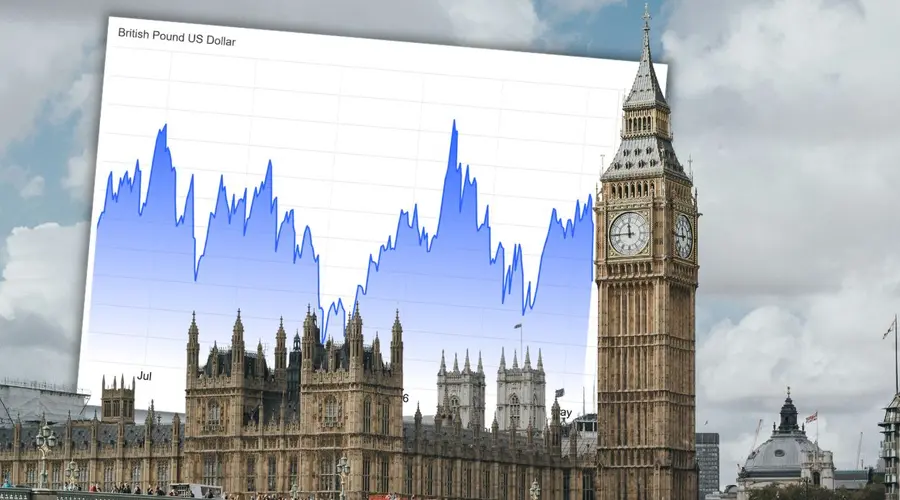
On May 17 the GBP/USD rate was 1.33 (data from Friday, May 15).
Chart. Pound sterling to dollar rate (GBP/USD)

Source: Trading Economics
This situation directly translates into a massive sell‑off of British bonds, whose yields have shot up to levels unseen since the late 1990s. The landscape is complemented by social protests and rising internal tensions on the Isles. Global investors view the UK with a great deal of suspicion, recalling post‑Brexit chaos.
From a technical analysis perspective, the situation looks not very optimistic. The level 1.33 on GBP/USD has become a powerful resistance and an unbreakable wall for bullish market participants. If the crisis around Starmer deepens and protests intensify, trading algorithms could quickly push the rate into the 1.30 region, and in extreme cases even to 1.25.
See also: Politically shaking UK. Starmer’s problems hit the pound‑to‑zloty rate
Source: Bloomberg,