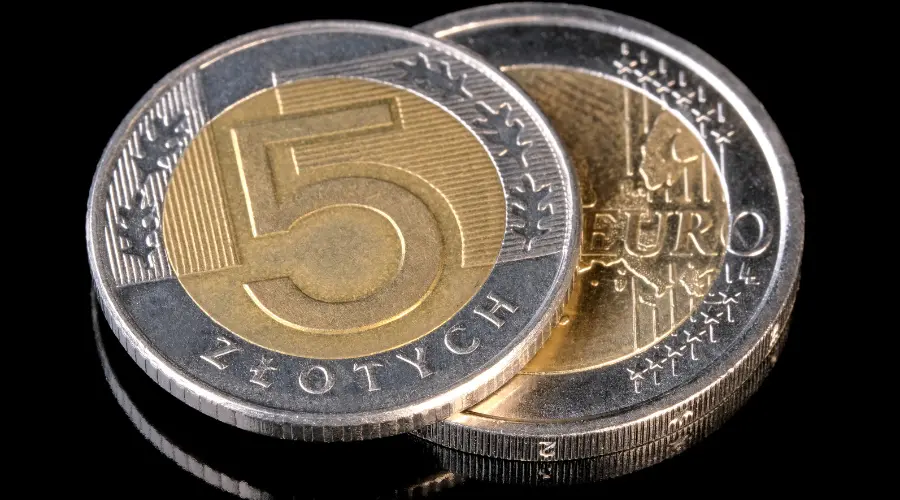
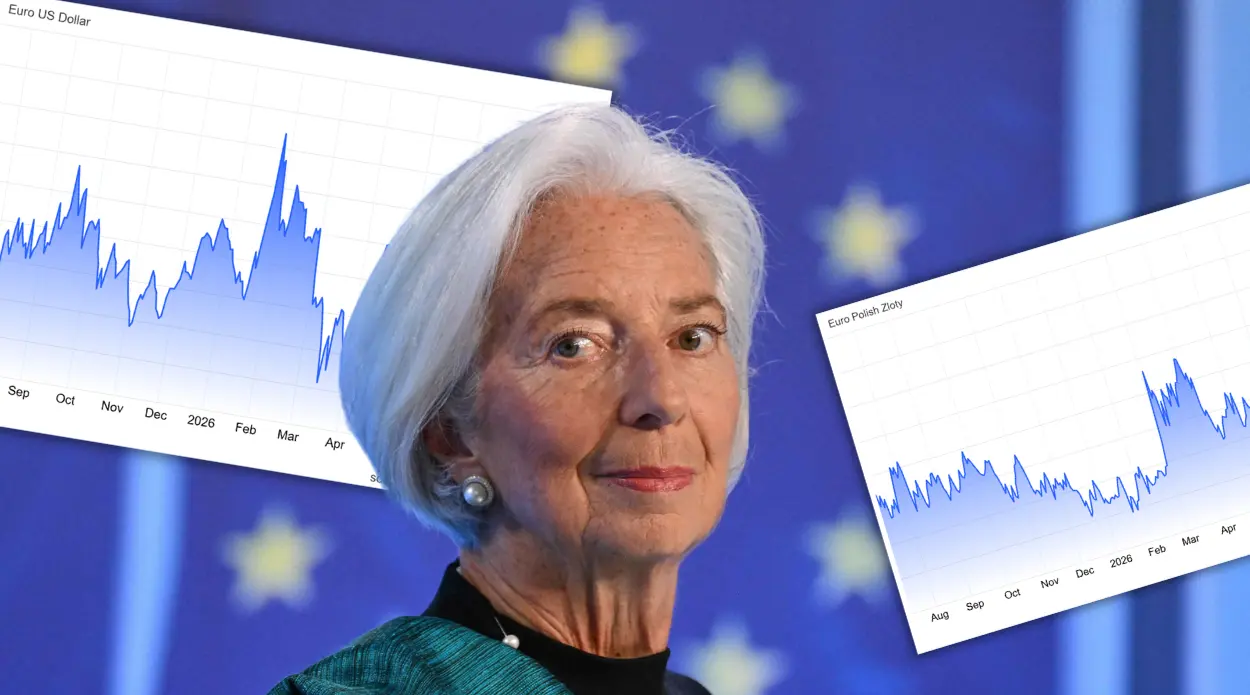
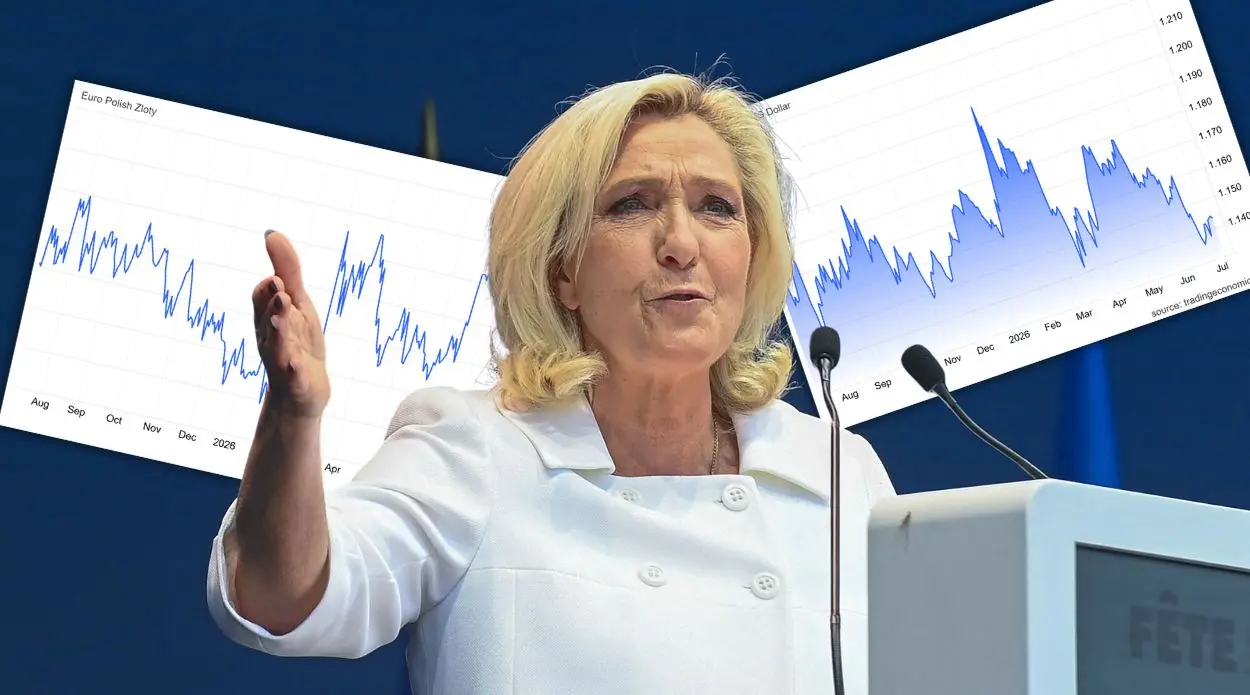
Maintaining a hawkish tone and a decline in EURUSD could lead to breaking significant resistance by EURPLN (around 4.30), although technical indicators suggest the rate is already at heavily overbought levels. Support for the zloty could come from a rise in PMI.
Zloty down against the euro to about 4.297
On the domestic equity market the green color dominated, and indices rose about 0.7% benefiting from optimism in international equity markets. The zloty weakened against the euro at the open to about 4.297 from about 4.287 and stayed in a very narrow range of fluctuations until the end of the session. In the domestic interest rate market rates fell by about 6‑10 basis points at the start of the session, driven by inflation data that were lower than expected (reading 2.5% versus expectations of 2.7% versus 3.1% in May).
Later in the session market rates rose again. At the end of the day the yield on 10‑year bonds was about 5.32%. The Ministry of Finance announced that the gross borrowing needs for 2026 are currently about 63%. The balance of funds in budget accounts at the end of June will be over 250 billion PLN.
This shows that the finance ministry is fairly freely implementing the plan for this year’s issuances. During the day the finance ministry published a forecast for the supply of treasury securities in Q3 and July. According to the Ministry of Finance’s plan, July will see three standard auctions with a supply of 22‑41 billion PLN and one treasury bill tender (2‑4 billion PLN). In the entire Q3 the total supply is planned at 60‑100 billion PLN across 7‑8 tenders, and public bond issuances in foreign markets are also possible.
Meanwhile BGK announced that it plans to conduct six bond sale tenders for the COVID‑19 Fund in Q3 2026. The Ministry of Finance also provided monthly information on the status of portfolios of holders of domestic treasury securities. According to the latest data for May, foreign investors’ share in Polish bonds increased by about 15 billion PLN to 206.2 billion PLN, with a net debt increase of about 34.56 billion PLN, (about 6 billion PLN of bonds were purchased by domestic banks).
Decline in German inflation and solid US data support indices
On foreign equity markets, as on domestic ones, green dominated and indices rose about 0.3‑1.4%. US indices recorded the best quarter in six years. The EURUSD rate rose slightly during the day to about 1.143 from about 1.138 towards yesterday’s closing levels. The focus was on a set of published data from major economies.
German inflation data showed a decline to about 2.3% year‑over‑year from 2.6% versus expected stabilization. The number of vacancies in the US according to the JOLTS survey was 7.594 million in May versus 7.585 million recorded a month earlier. The S&P/CaseShiller home price index, depicting housing prices in the 20 largest US cities, rose in April by 1.1% year‑over‑year.
The Chicago PMI fell to 56.7 points from 62.7 points versus a consensus of 55.7 points. Oil prices rose to about $73.2 from about $72. Base bond markets saw a weakening of yields that rose about 5 basis points at the open and then remained stable with a slight upward trend in both the German and US markets. This was helped by rising oil prices. In base bond markets yield changes were limited with a slight upward trend for German treasury bonds. At the end of the session 10‑year German Bund yields were about 2.86%, and US yields about 4.37%.