Summary:
- US Inflation data is expected to be released on Wednesday.
- EUR/USD & GBP/USD currency pairs.
- Volatility in the markets.
- 8.5% consumer inflation.
Later today, high volatility is likely to be caused by US inflation data, which is anticipated to show a modest decline in the headline measure (8.7 percent exp vs 9.1 percent prior). The US PPI data is due out on Thursday, but it is unlikely to have a significant impact on the markets given that the Fed would need to observe a significant decline in prices in order to alter its present course of temporary tightening.
The US CPI Inflation data for July came in at 8.5%, declining from the 9.1% June high and beating the markets expectations of 8.7%. The fall in inflation was likely aided by a reduction in both food and gasoline prices. The result could indicate to the markets that the Federal Reserve Bank has been successful so far in their interest rate hikes to fight inflation. A stronger result would have likely increased the chances of another interest rate hike of 75 bps in the following months and would have boosted the USD, whilst a weaker result could cause the Fed to drop to a 50 bps interest rate hike next month.
EUR/USD
The market is reflecting mixed sentiment for this currency pair. The markets have been in a lethargic state recently with a 7-week slide in the VIX volatility index. The current state of lethargy is most likely a result of the medium-term decline in market activity. The seven-week decline in the VIX was mentioned, but there are many other noteworthy episodes from recent history where important events, some with high surprise quotients, failed to significantly move the markets.
The PCE deflator, which uses the same data used to calculate the quarterly GDP statistics, is really the Federal Reserve's preferred inflation indicator. Despite this, the markets have consistently shown a strong preference for the CPI, presumably because it is released earlier and has a full week to be incorporated into market views because it is released on a Wednesday. The headline basket's annual inflation growth rate had increased to an astounding 9.1 percent pace at the time of the previous release. That is the highest reading in forty years, and it is not just due to the biggest economy in the world. This reading might meet, miss, or beat the consensus expectation (8.7%), but it is thought that a "beat" would carry the most weight.
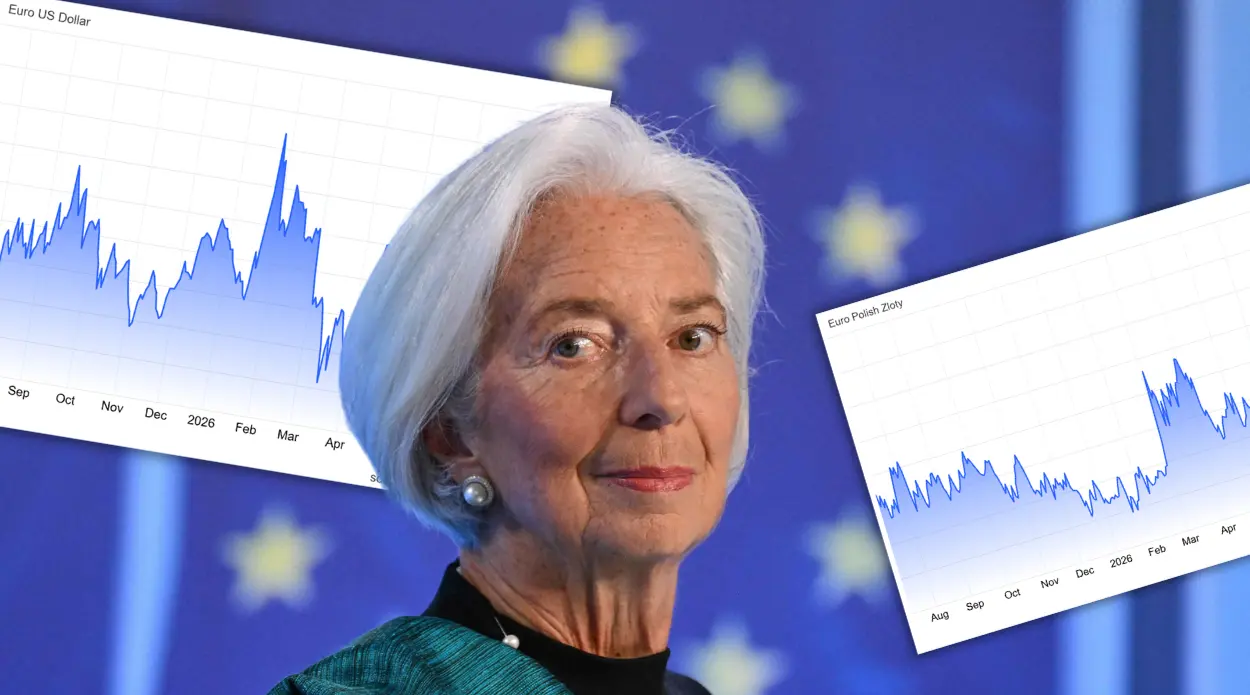
 EUR/USD Price Chart
GBP/USD
An expert at Société Générale claims that the Pound is "in peril" and that a new decrease in the value of the Dollar is imminent. In the very near future, GBP/USD has a risk of declining below 1.20 once more "Olivier Korber, a Soc Gen strategist, states in a memo dated August 2009. The underlying rationale for the trade, according to Korber, is compelling given the unsettling predictions made by the Bank of England last week, which indicated that UK inflation was expected to peak at "an incredible 13 percent. In addition, according to economists at the Bank of England, a four-quarter recession will begin in this year's fourth quarter.
According to Korber, the difference with the forecast for the U.S. economy is currently striking.
Last Friday's unexpectedly upbeat US job report stands in stark contrast to the pessimistic UK economic forecast. The likelihood of a second consecutive 75bp Fed rate hike is being discussed as recession fears in the US are gradually subsiding. GBP/USD might retest 1.20 in the very near future if there is potential for more sterling short positions, warns Korber. More than doubling the 250K jobs that the market had anticipated, the U.S. economy added 528K jobs in July, which helped the U.S. dollar recover.
GBP/USD Price Chart
Sources: poundsterlinglive.com, finance.yahoo.com, dailyfx.com