On Monday afternoon, the U.S. president was supposed to discuss Iran's proposal with his advisers. "Although he did not outright reject it (the offer, note author), officials said that Trump was raising points indicating that Iran is not acting in good faith or willing to meet his key condition: ending uranium enrichment and committing never to produce nuclear weapons."
A similar message also appeared in other U.S. media.
At the same time, according to unofficial NYT information, some Trump administration officials believe that extending the Hormuz blockade for another two months would seriously harm Iran's long‑term energy sector and force Tehran to reach an agreement. Others in the administration say this assessment is wrong because the Islamic Republic's stance has hardened and the IRGC has further consolidated its power.
A Reuters dispatch last night also suggests that, according to Trump, nuclear issues must be resolved from the outset – an unnamed official familiar with the president’s meeting with advisers told an anonymous news agency.
The declining probability of a quick opening of the Strait of Hormuz was negatively affecting oil prices.
Brent barrels in June contracts reached $110 (+4% daily). Meanwhile, the May diesel contract in Europe rose just under 3% to $171/gal. The market will likely await an American response regarding the Islamic Republic’s proposal to end the conflict.
According to WSJ sources, "The United States will continue to negotiate with Iran – officials said anonymously – and the White House will likely present its response and counter‑proposals in the coming days." However, the chance of quickly building consensus and opening the Strait of Hormuz remains limited.
Longer tenors are weaker
In the background, BoJ decisions: the first part of yesterday’s base FI readings was relatively calm. In the second, the market likely slowly lost hope that Iran’s proposal to open the Strait of Hormuz would quickly materialize.
As a result, yields on both sides of the Atlantic gradually rose. Ultimately, at the main hubs, the change in UST yields was 0, +4 and +3 to respectively 3.78% (2Y), 4.35% (10Y) and 4.94% (30Y). Similarly, the situation unfolded for Bund.
The German curve moved up by 1, 4 and 4 basis points to respectively 2.56% (2Y), 3.04% (10Y) and 3.56% (30Y).
During Tuesday’s Asian session, the day’s event was the BoJ decision. Japan’s monetary authorities decided to keep the benchmark unchanged (0.75%), but the vote distribution, against market expectations, was slightly more hawkish.
Three of the nine Bank of Japan representatives wanted a base rate hike of 25 basis points to 1.00%.
Along with the decision, the BoJ also published macroeconomic forecasts that assume a 2026 GDP growth half as low compared to January estimates (0.5% vs 1.0%) and a clear increase in price dynamics – in base terms (excluding fuels and fresh food) from 2.1% to 2.6% for the same period.
The market reaction to the decision and forecasts was, however, muted.
Short‑end JGB yields moved up by about 1‑2 basis points, and the middle of the curve slightly strengthened.
In the case of UST quotes, further oil price rises translate into yields near 4.35% for 10Y.
Current conditions and Middle East reports indicate the potential for further moderate weakening of bonds on both sides of the Atlantic.
CEE FI under moderate pressure
Rising oil and fuel prices, as well as weakening base market bonds, negatively affected the region’s bond yields.
Czech 10‑year benchmark yields moved up by 4 basis points.
A similar move was observed on domestic debt.
Also, 4 basis points rose on 10Y PLNIRS and FRA 9x12.
Ultimately, SPW yield changes were +2, +3 and +4 basis points to respectively 4.43% (2Y), 5.06% (5Y) and 5.64% (10Y).
Base market signals suggest ongoing pressure on the region’s bonds.
There is therefore a risk of the 10‑year SPW tenor staying near 5.65%.
Draw in FX
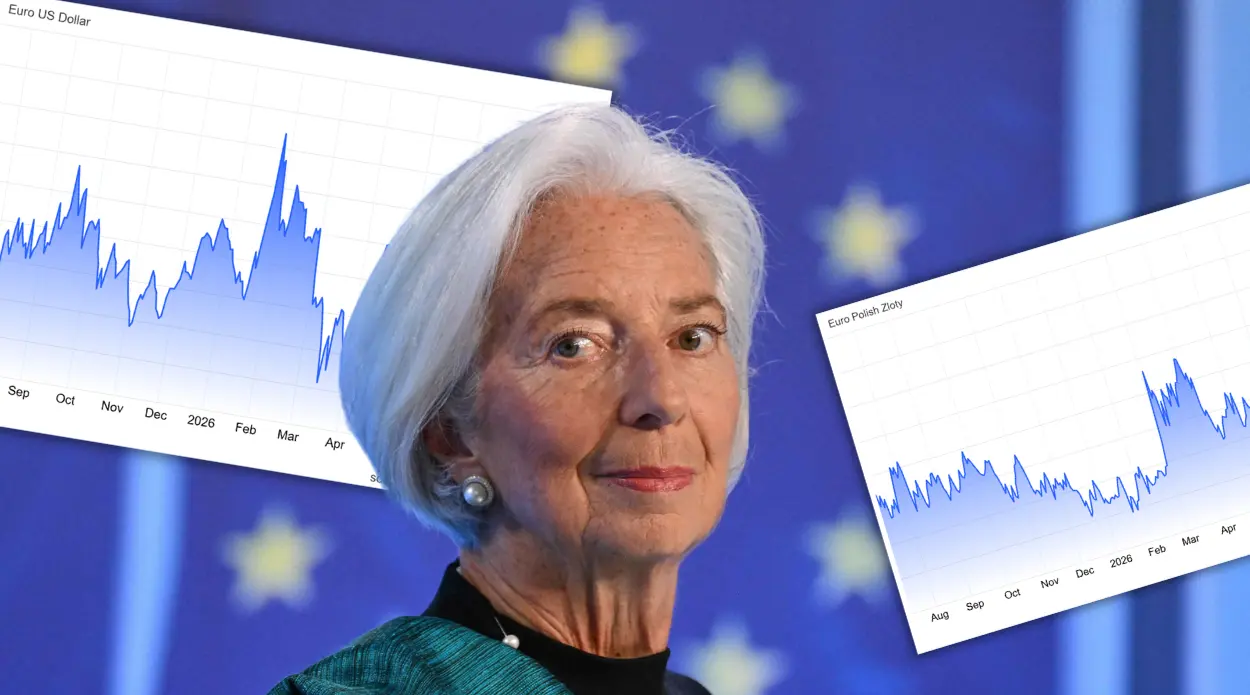
EURUSD gains from the first part of the session did not hold through the full quotes.
After reaching daily highs near 1.1750, the pair gradually depreciated in the evening and finally closed at 1.1720.
The day was exceptionally stable for other euro‑linked currencies (EURCHF, EURJPY, EURGBP).
Tuesday’s Asian quotes brought moderate yen strengthening due to a slightly more hawkish BoJ message (details in FI section). EURJPY moved about -0.3%.
EURUSD was heading toward 1.1700 – but more as a consequence of rising oil prices than Japanese monetary decisions.
Today we do not expect heightened FX volatility, although increased risk aversion combined with higher commodity valuations could push EURUSD into the 1.1650‑1.1700 range.
Euro near 4.25 PLN
CEE FX volatility was again exceptionally low.
EURCZK and EURHUF finished quotes at pre‑weekend close levels.
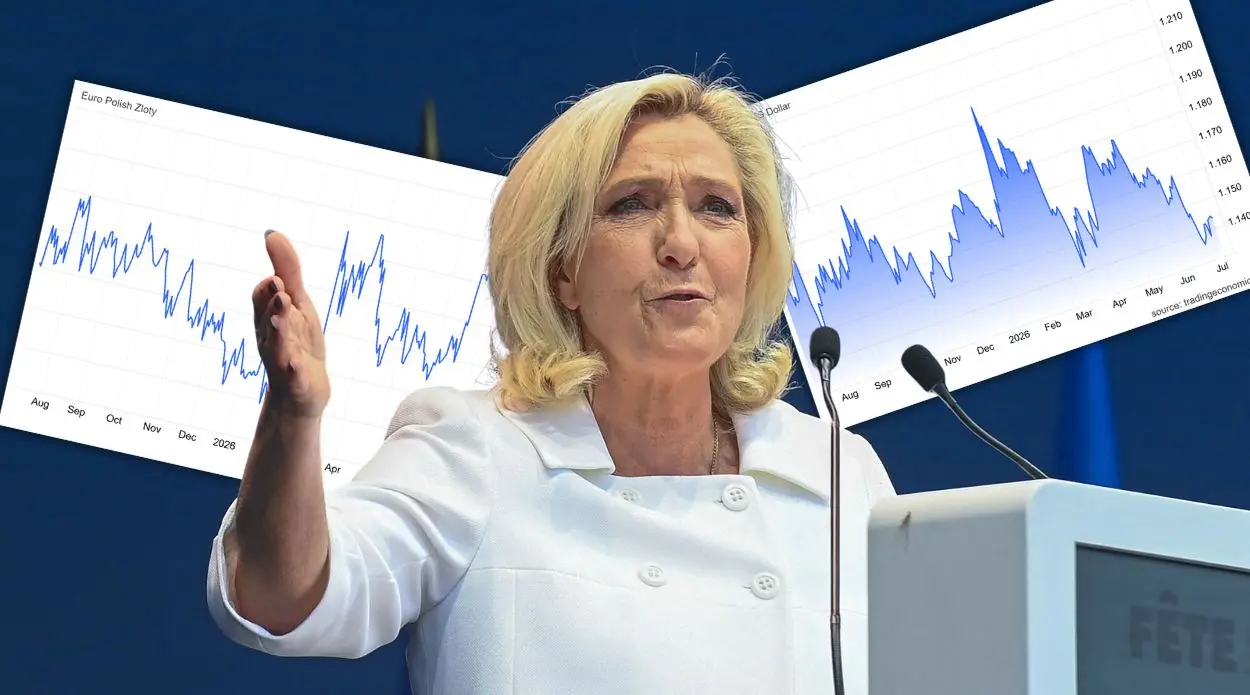
EURPLN marginally rose during the U.S. session, but the northward move was symbolic – 0.15% to 4.2470.
We assume that most external impulses will still be offset by bond pricing changes in the region.
Thus, the risk of larger moves on EURPLN remains limited.
In the base scenario, the euro should stay near 4.25 PLN during Tuesday’s quotes.