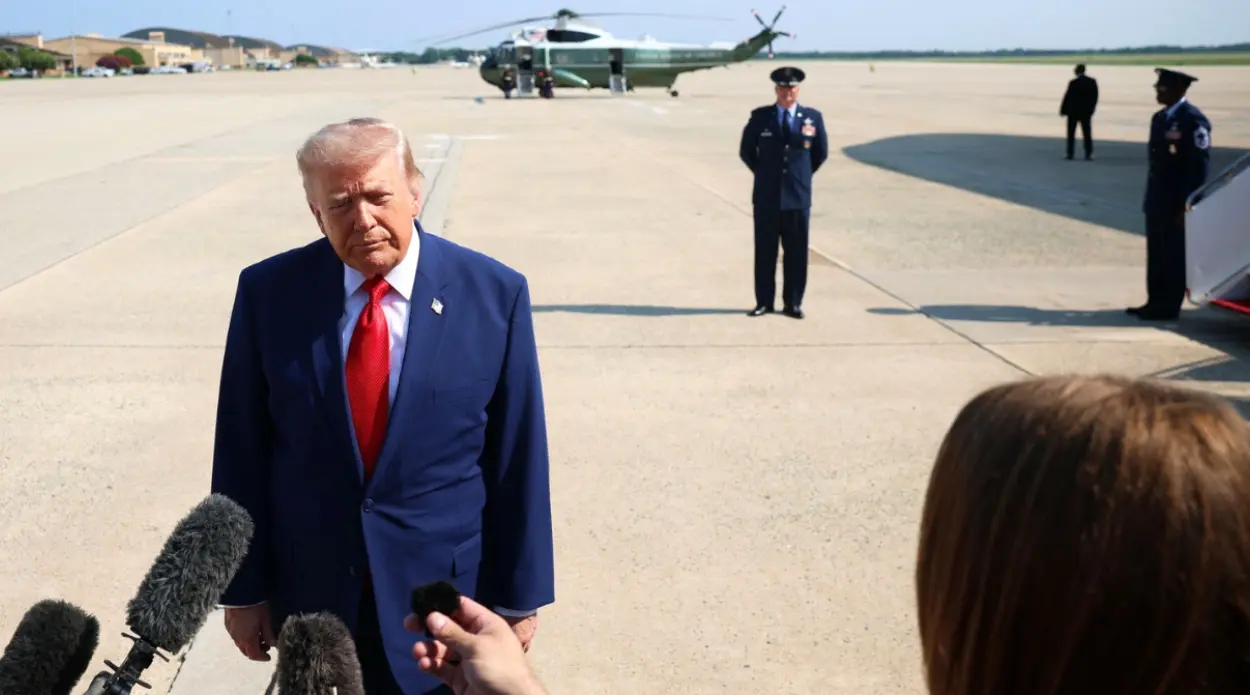
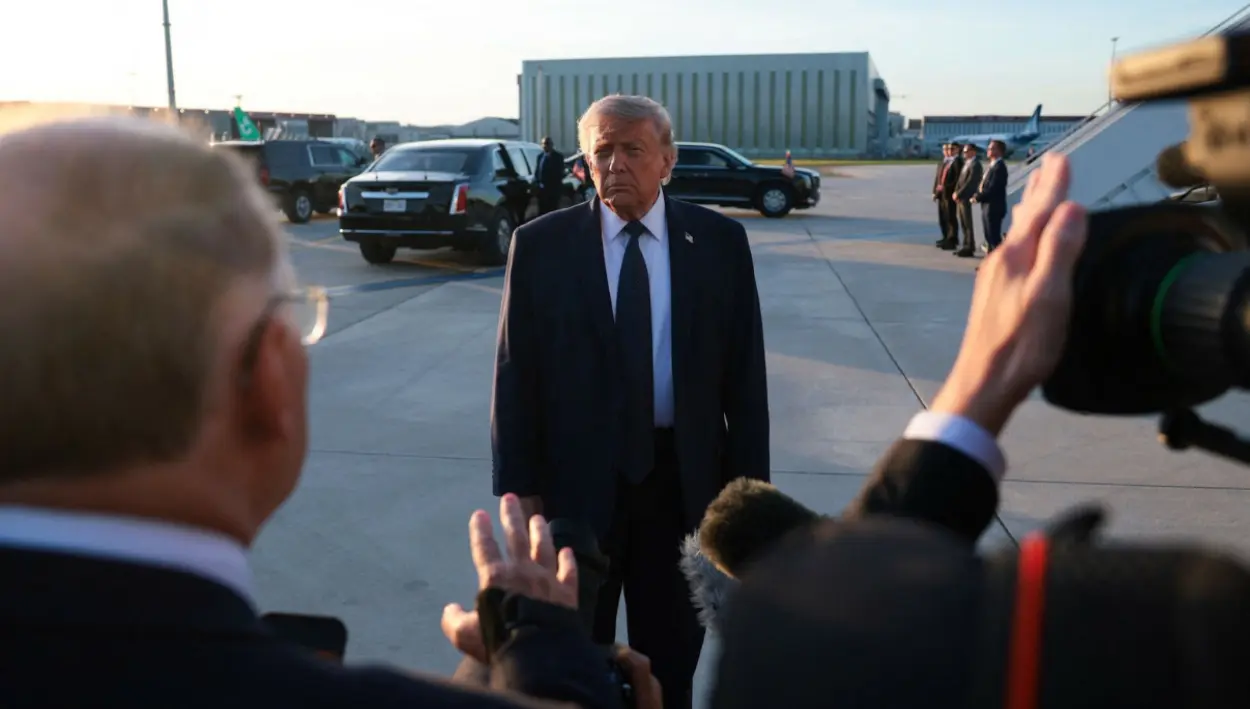
The night (unlike previous ones) passed relatively peacefully – there were no "snagging" actions around the Strait of Hormuz. But can we already say that the signatures on the memorandum are just a formality and the parties will actually sit down for talks, i.e. we have the awaited "peace"? Iranian sources claim that Axios’ reports that the memorandum’s provisions were finalized are a bluff, while Trump administration officials are not very confident.
Vice‑President J.D. Vance said the parties exchanged "proposals" for specific provisions, especially on uranium enrichment, but it is still too early to know whether an agreement will be reached. This afternoon a meeting between the Pakistani Vice‑Prime Minister and the head of the Pakistani Ministry of Foreign Affairs with U.S. Secretary of State Marco Rubio is scheduled, which could bring more information on the matter. Earlier there were rumors that the USA and Iran might announce the signing of the memorandum on Sunday.
Markets are approaching these reports patiently today. Oil is low (WTI futures hovered around $87.50 on Friday morning), currencies are fairly calm after yesterday’s dollar pullback (the only exception is the clearly rising NZD, supported by "hawkish" comments from RBNZ officials), optimism remains in equity markets.
Yesterday investors noted a weaker Q1 GDP reading from the USA (due to lower consumption), which translated into a drop in expectations for a December rate hike by the Fed (CME FedWatch model indicates a 59% probability). PCE and core PCE data came in as expected.
However, it is hard to get the impression that the market is looking for excuses to keep the Fed from raising rates this year. If the memorandum with Iran is signed and transit through the Strait of Hormuz gradually resumes, those chances could fall below 50%. Especially before the first Fed meeting scheduled for June 16 with Kevin Warsh. That could exert downward pressure on the dollar.
In the macro calendar today we mainly have a day with preliminary inflation readings. Overnight Japan released data – core CPI inflation in the Tokyo region unexpectedly slowed to 1.3% YoY from 1.5% YoY. In the morning we got France’s reading (2.4% YoY versus expected 2.6% YoY), and Spain’s (3.2% YoY instead of 3.4% YoY), and we still have Italy (11:00) and Germany (14:00).
So far it looks like the impact on inflation is starting to come not only from the Middle East situation but also from weak consumer demand, which central bankers should take into account in their future decisions.
Today we will also see Q1 GDP data from Canada (14:30) and the regional Chicago PMI index from the USA (15:45).
EURUSD – narrative helps break resistance?
Preliminary May inflation data from France and Spain begin to suggest a scenario in which the ECB’s June rate hike will be only a "one‑off adjustment" to the current situation, although we should wait for the remaining data (today Italy and Germany).
That said, in the short term it does not support the euro. Meanwhile the dollar fell yesterday after weaker Q1 GDP and Axios reports on the memorandum with Iran, but today there isn’t much fuel. Trump and Chamenei are unlikely to sign the document today, and whether it happens over the weekend may only become clear later this afternoon or evening.

Daily EURUSD chart
Technically the market still sits under resistance 1.1655‑70 and is waiting for a move. The daily setup (indicators and yesterday’s bounce off the uptrend line) however favors a breakout to the upside next week. As a result we can quickly move to levels 1.1700‑1.1750.