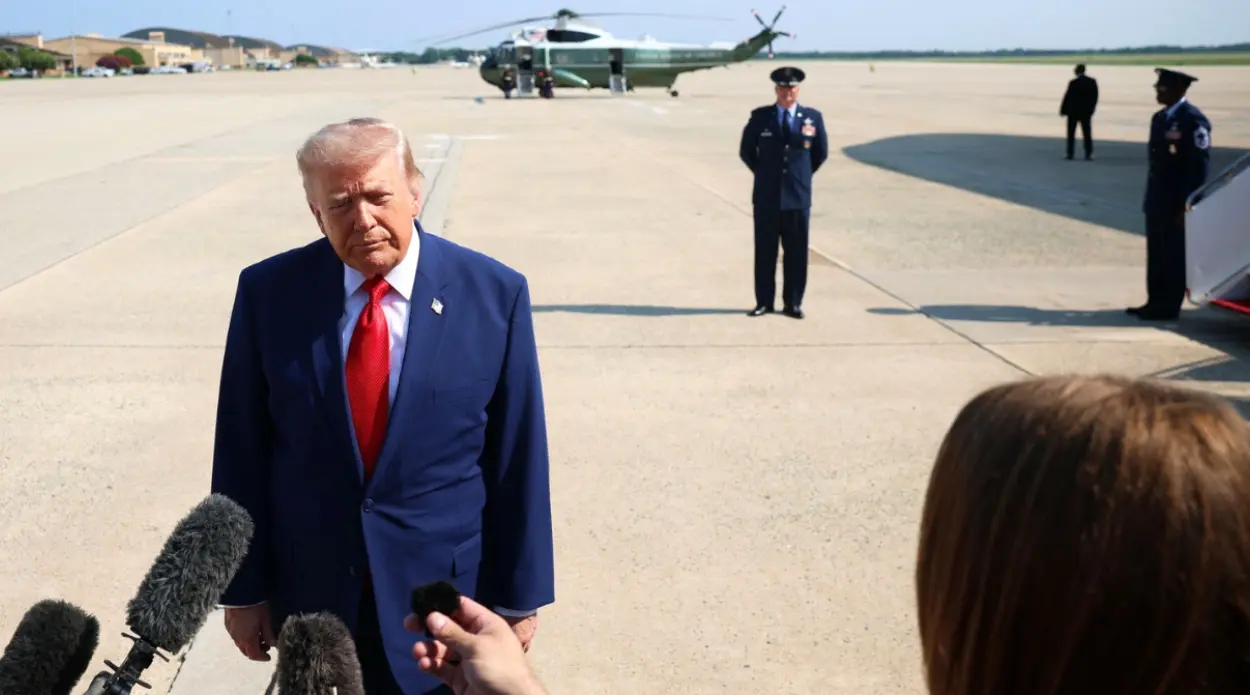
According to reports the most likely option is a 60‑day memorandum assuming a cessation of hostilities, and a gradual unlocking of the Strait of Hormuz following appropriate actions by the USA (lifting its own blockade, unfreezing frozen funds for Iran, etc.).
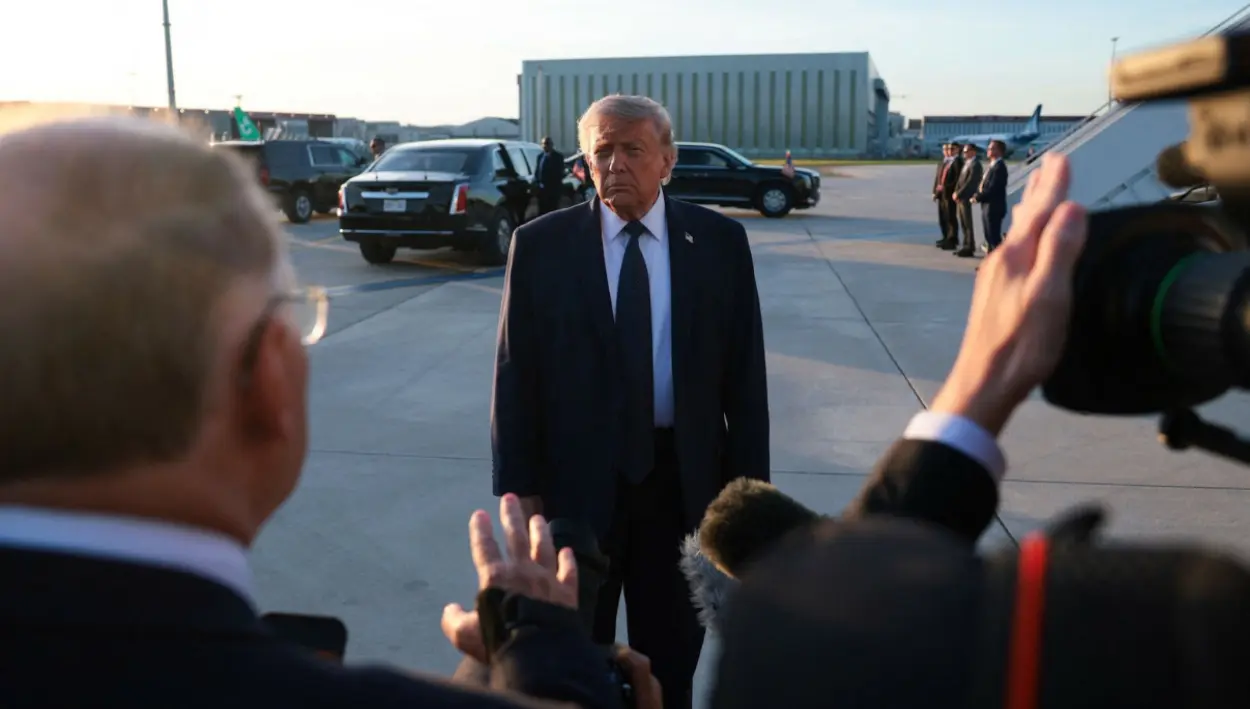
The next two months are expected to be a period of intense negotiations about the future of Iran’s nuclear program. Donald Trump admitted he cannot repeat Barack Obama’s “mistake” from more than a decade ago, so they should not be dominated by unnecessary haste. At the same time the US administration made it clear that the American blockade of Hormuz, or the unfreezing of funds for Iran, will only be undertaken after Iran first fulfills its obligations.
Skeptics point out that the USA may lose leverage over Iran in nuclear talks, so Secretary of State Marco Rubio did not rule out that after 60 days the military option could return to the table – but it seems that Iran is “managing” this conflict, not the USA. Weekend reports that additional tankers passed through Hormuz still share a common theme – they were loaded with oil destined for China.
Dollar weakening is already visible
The markets accepted the weekend reports as signals of further de‑escalation. The risk of a return to war after 60 days is assessed as low, also because of the political calendar in the USA (midterm elections in November).
Oil prices fell by more than 5%, and Asian stock indices traded up by nearly 3%. Nevertheless today we have severely limited liquidity – Memorial Day in the USA, closed markets in Hong Kong and South Korea, and in Europe (Germany, France, Switzerland, Austria) due to the second day of the Green Holidays.
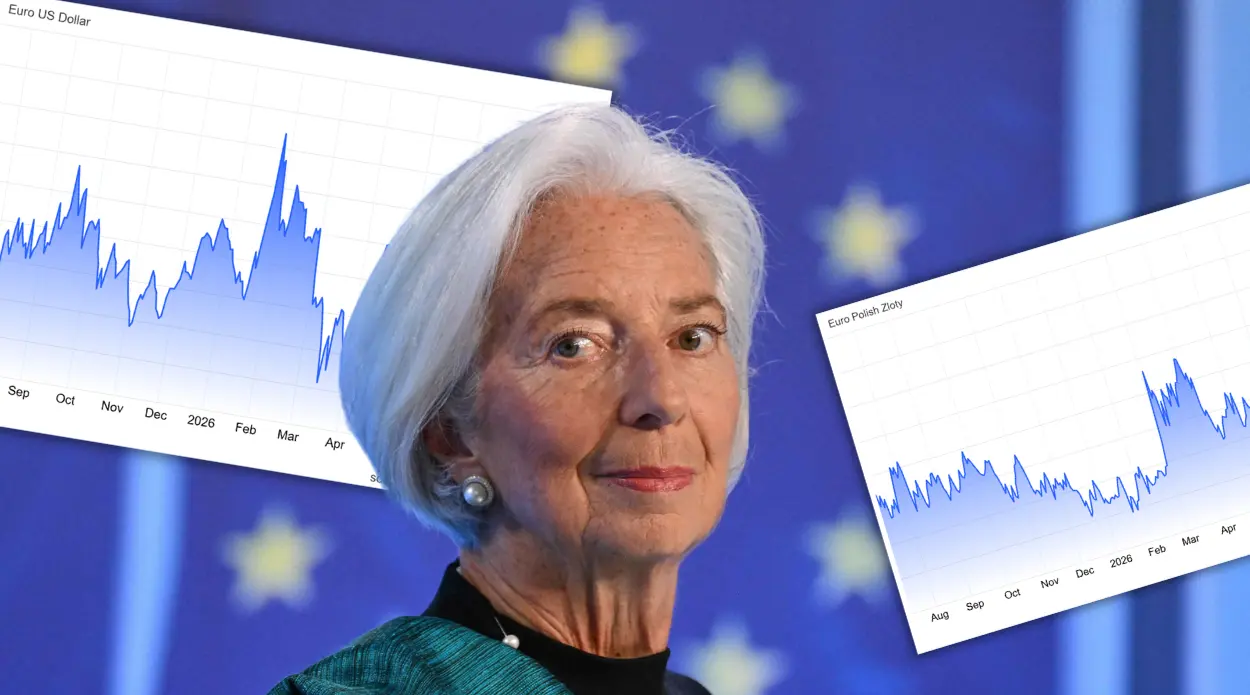
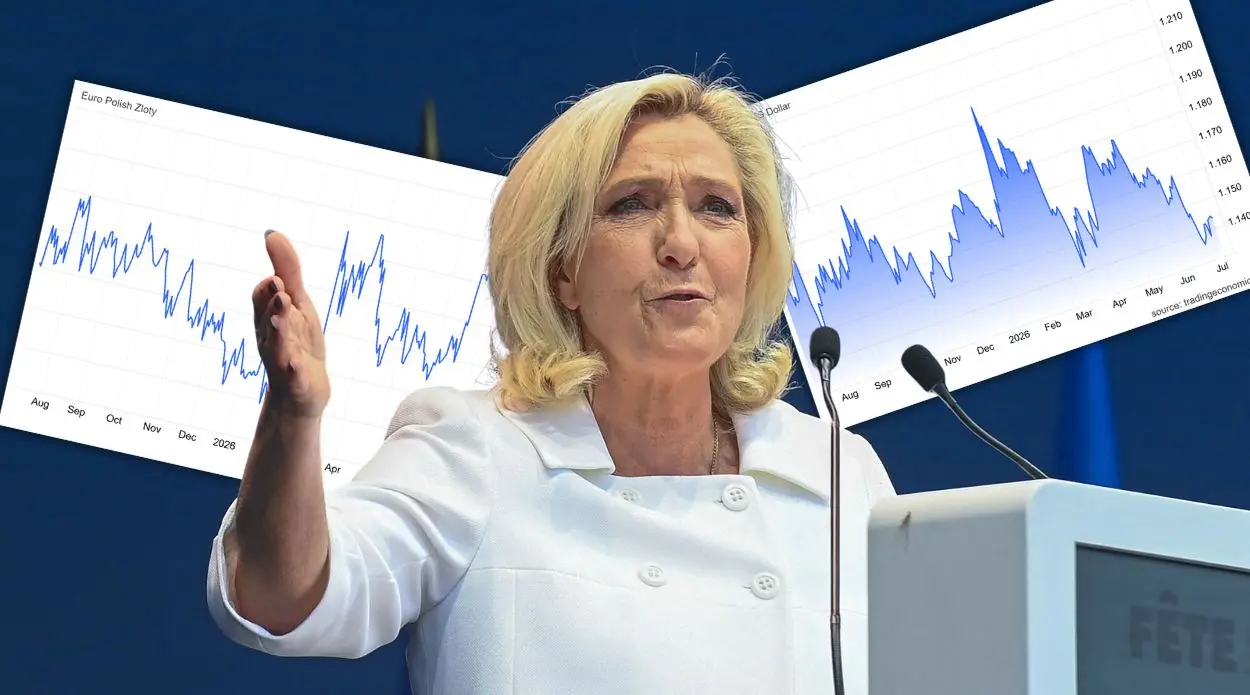
In FX markets the dollar is weakening, but not significantly (EURUSD 1.1645).
The Polish currency gains slightly on Monday morning (EURPLN drops to 4.2350, and USDPLN to 3.6370). 10‑year bond yields are falling to 5.88% (early last week they were around 6.00%).
Technical analysis: EUR/PLN, EUR/USD
Today in the calendar – at 9:30 the Central Statistical Office will publish retail sales data for April (forecast 3.0% YoY), and at 14:00 the NBP will report on the M3 money supply dynamics for the same period (estimates 11.2% YoY). This week, investors in the domestic market should pay attention to ECB news (Christine Lagarde announced a revision of inflation forecasts), and on Thursday we will see minutes from the last ECB meeting, and on Friday estimated inflation data for May from Spain, France, and Germany.
From the USA, key speeches by FED members and possible comments from Kevin Warsh to the media after he officially became the Federal Reserve Chair before the weekend could be important.

Daily EURPLN chart

Daily USDPLN chart