Oil price swings and geopolitics once again fuel risk aversion
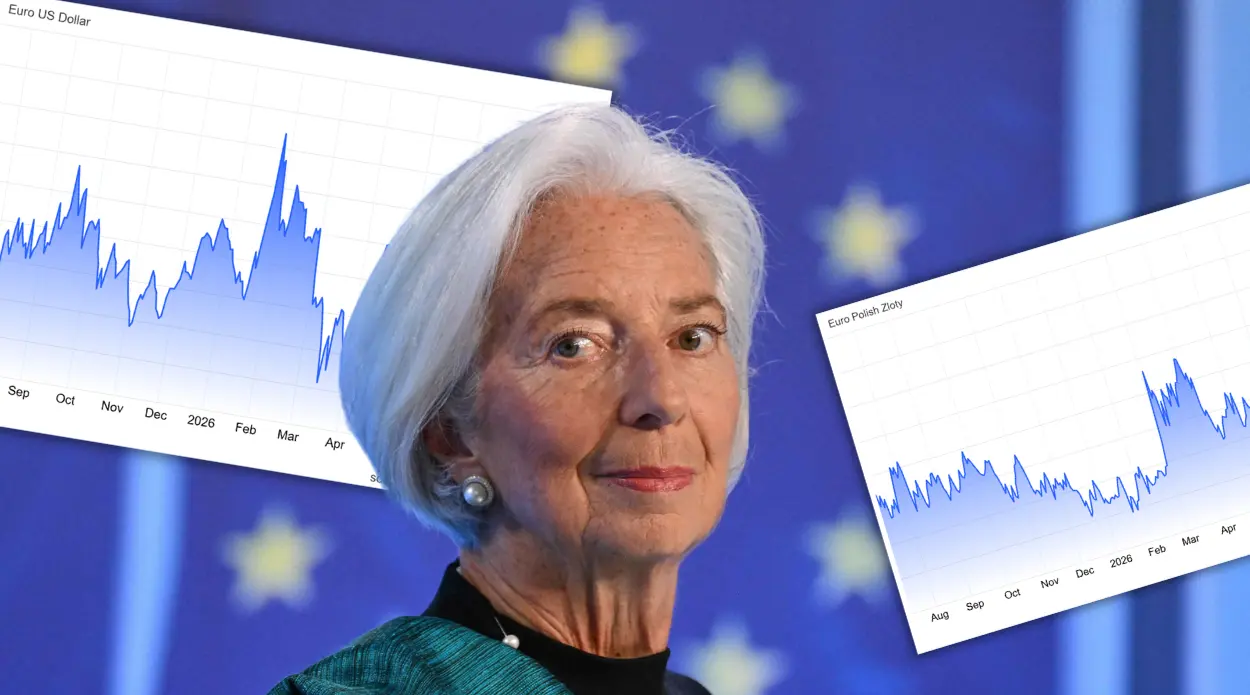
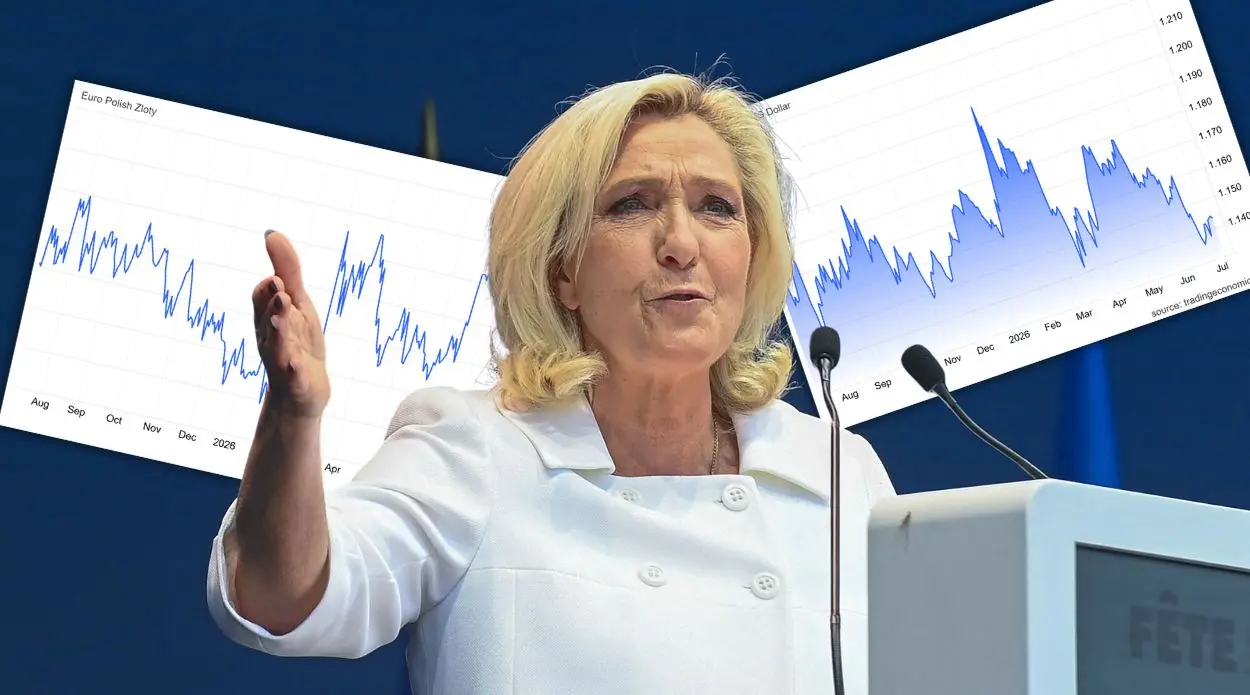
At the beginning of the week, market reaction was still relatively limited – despite the lack of a breakthrough in US‑Iran talks, the EURPLN rate remained slightly below 4.25, EURUSD stayed near 1.17, and SPW yields and IRS rates rose moderately.
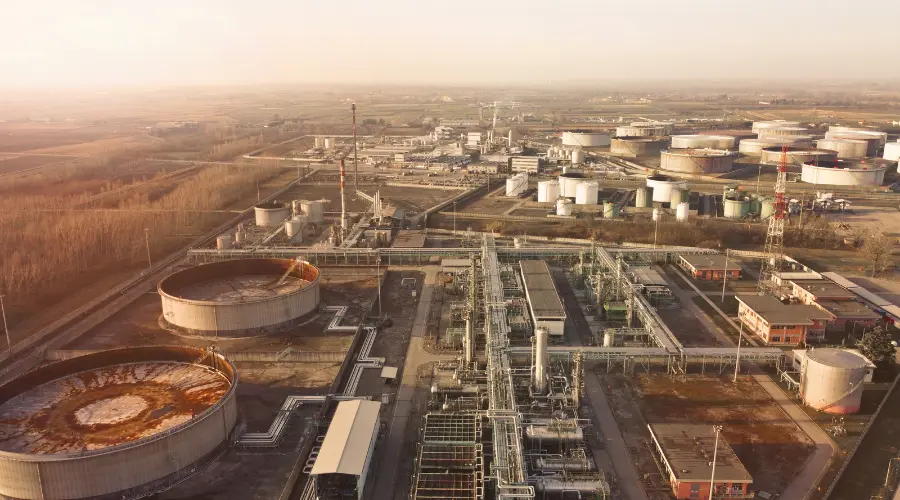
In the following days, as fears of a prolonged blockade of the Strait of Hormuz intensified and Brent oil prices rose from about 107‑108 USD to over 120 USD per barrel, risk aversion clearly increased, the dollar strengthened, the EURPLN rate rose to around 4.26, and on the domestic market we observed further increases in government bond yields and IRS rates.
The Thursday data did not significantly change this picture, while Friday was a non‑trading day on the domestic market. In the coming week, the main factor shaping financial markets will remain the development of the conflict around Iran and its impact on oil prices, but for the domestic market the most important will be the RPP session and the NBP governor’s conference, as well as Friday’s US labour market data and the scheduled rating review of Poland by S&P on the same day.

Processing in Poland under pressure from the Middle East conflict
The PMI for Polish processing rose in April to 48.8 points from 48.7 points in March, thus remaining slightly below our forecast (49.0 points) and above market expectations (48.6 points). The index’s rise in April was due to increases in 2 of its 5 components (delivery times and material inventories), while components for current production, new orders and employment fell. The PMI remains below the 50‑point threshold that separates growth from decline in activity for 12 consecutive months.

Of particular note is the drop in the delivery‑time component to its lowest level since June 2022, indicating a significant extension. This is due to supply‑chain disruptions linked to the armed conflict in the Middle East. According to the study methodology, longer delivery times push the PMI index upward.
Had this factor been excluded, the PMI would be 0.1 point lower, thus matching March’s level.
Because order fulfillment times are lengthening, producers accumulated raw‑material inventories to hedge against potential shortages. As a result, in April we observed increases in components for purchases and production‑material inventories.
Given the positive correlation between the PMI component for production‑material purchases and the dynamics of industrial production of intermediate goods (see chart), April can be expected to maintain elevated activity in this segment of industrial processing.

This supports our forecast of a moderately fast overall industrial production growth (4.3% YoY in April versus 9.4% in March). Excluding inventory‑focused production, the PMI indicated a slight deterioration in processing. After a temporary rise in March (partly linked to improved weather conditions), current production fell again, and the drop in new orders deepened.
According to the PMI report, some respondents linked the latest decline to weak market conditions, uncertainty, raw‑material shortages, higher oil prices, market volatility, and the war’s impact in the Middle East. Under such conditions, companies were catching up on previously accumulated production backlogs, which fell in April at the fastest pace since July last year.
Both the level of the April PMI and its structure indicate that the Middle East conflict has an adverse but still limited impact on the activity of Polish industrial processing firms. We believe these negative effects will become more visible in the coming months.
However, it is worth noting that April PMI data do not signal a significant deterioration in prospects. The PMI for production expectations over a 12‑month horizon decreased in both March and April, but remains above the average level recorded in 2025. This indicates limited pessimism among firms regarding annual production.