What about the agreement?
The USA and Iran signed a 60‑day peace memorandum. During this time negotiations are underway for a final agreement. However, there are many flashpoints that prevent talks from proceeding as smoothly as one might expect. On one hand, there is the issue of international inspectors that the USA wants to deploy now, while Iran would prefer to wait for an agreement.
On the other hand, sanctions and Iran’s frozen assets remain. It is known that Iran would like to return to the markets sooner to start earning money for reconstruction. Here, the USA prefers to wait. Additionally, there is a murky $300 billion reconstruction program whose financing is not obvious. In such a situation, markets should approach the topic with considerable skepticism.
They should, but it seems analysts are more watching the ball than analyzing the Middle East. Brent oil has risen to an impressive $16 in two weeks and it does not look like the end of this journey.
What do higher US rates cause?
Investors are slowly preparing for a new reality. Until now, many companies’ financial plans were based on falling financing costs. We therefore have the exact opposite situation from what markets were preparing for. There is already some unease in the markets. The AI sector, which finances itself with debt in data‑center construction, feels it most.
A crisis has not yet appeared on the exchanges, but the last few days have given many people something to think about. A downturn is also visible in cryptocurrencies. With rising rates, capital flows out to markets perceived as safer. Yesterday, Bitcoin briefly traded below $60,000.
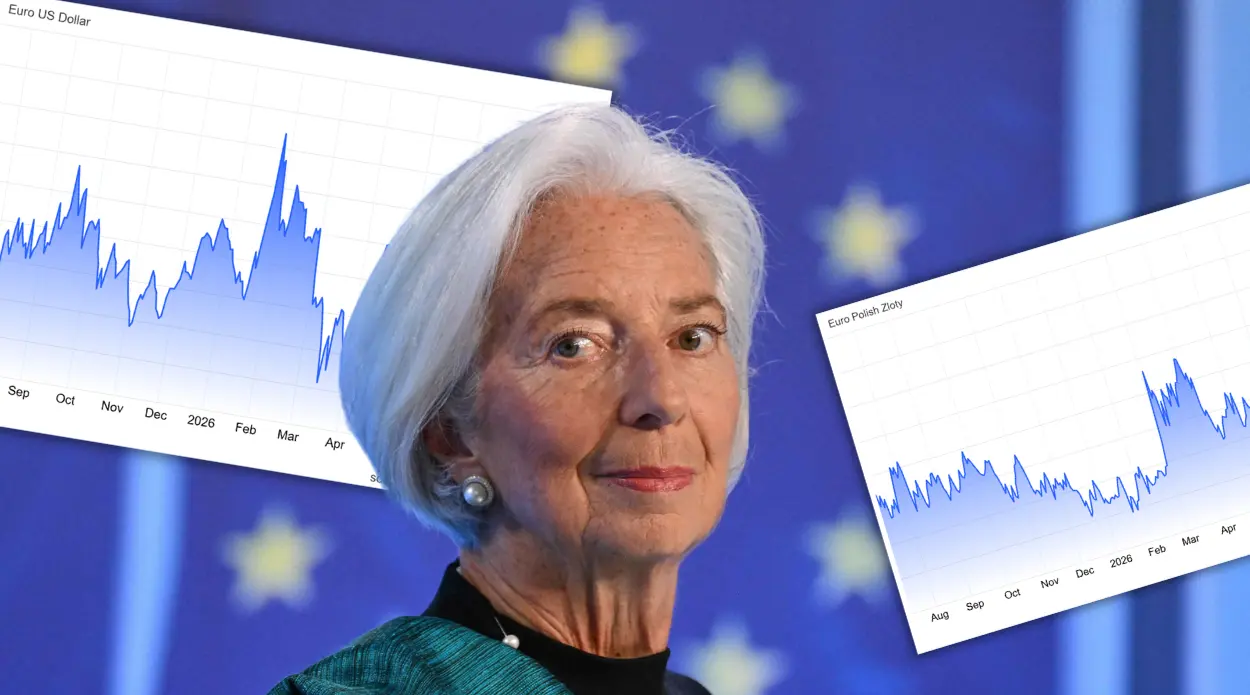
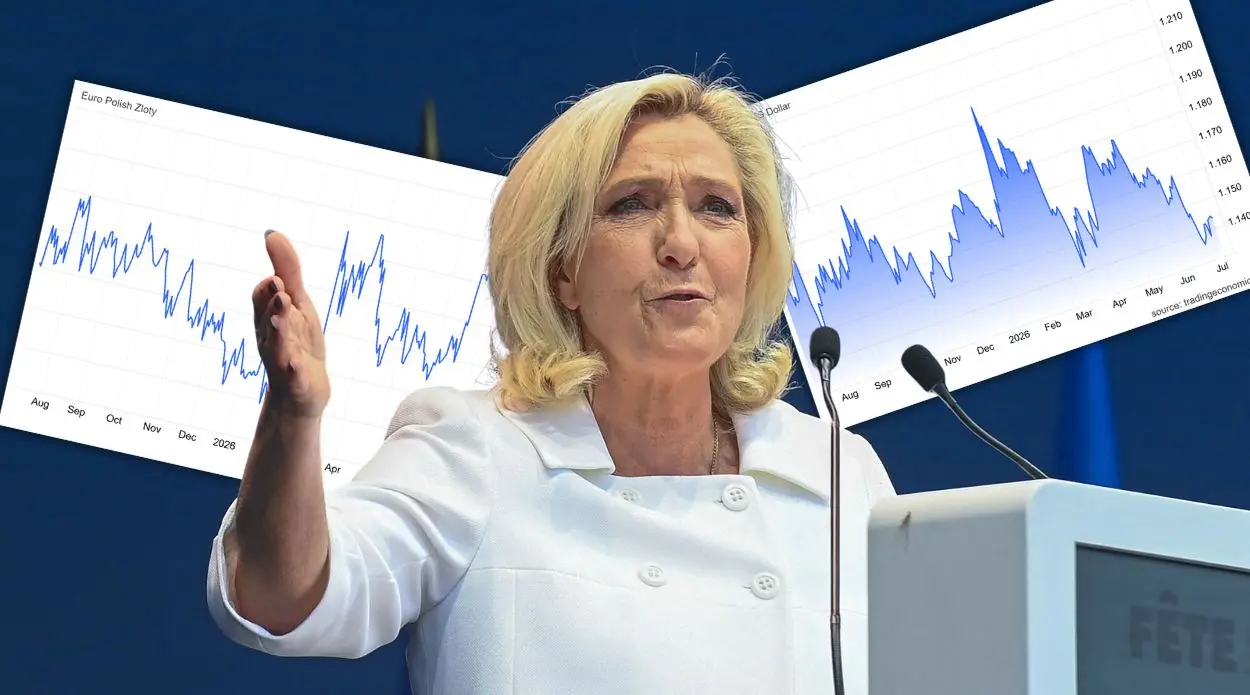
4.29 PLN per euro?
The last few days have been marked by very weak Polish zloty performance. As always, in such moments it is worth looking at how the Czech koruna and the Hungarian forint behave. Both of these currencies have also been in the reverse in recent days.
The Czech koruna is somewhat more stable, losing less. When our region’s currencies behave similarly, the reasons are likely to be found abroad. The source of pressure appears to be the situation in global markets.
A weakening dollar drains capital from other parts of the world. Weaker currencies lose more, and among those relative to the euro are the Polish zloty, Czech koruna, and Hungarian forint.
Today’s macroeconomic calendar is worth noting:
14:30 – USA – GDP,
14:30 – USA – American income and spending.