Opening of the Strait of Hormuz
The probability that the strait will be cleared before the end of June can currently be compared to a coin toss – or at least that is what the bets on predictive platforms suggest. An interesting discrepancy exists between the equity and currency markets. The scale of gains in the largest global stock indices, even after accounting for a very good earnings season, suggests that markets assign an even higher probability to a positive scenario. We do not observe the same pattern in currency rates, which exposes the dollar to a potential correction.
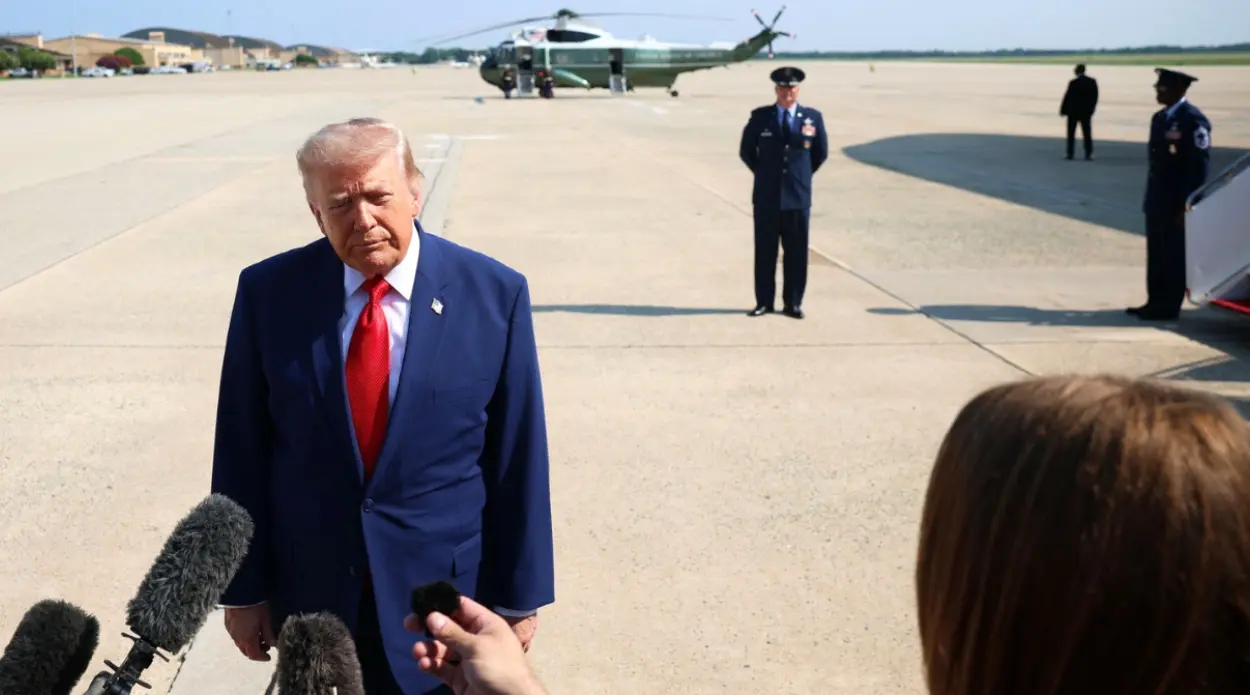
Many arguments point to Donald Trump wanting a quick agreement, especially since the midterms have left us less than half a year apart. Higher fuel prices at gas stations do not provide Republicans with ideal ground for campaigning – in the current situation the likely scenario seems to be a Democratic takeover of both houses of Congress.
Moreover, in the United States, in a moment, the eyes of billions of viewers from around the world will turn, as in just over two weeks the World Cup in football will begin there. The World Cup in the shadow of war will be somewhat harder to present as a huge PR success.
If the conflict between the United States and Iran does not end within a month, a renewed escalation seems likely, which would significantly push back the prospect of reaching an agreement in time. In the face of rising inflation concerns, this should lead to a strengthening of the hawkish stance in many central banks, including the Federal Reserve. This would create ideal conditions for further appreciation of the U.S. dollar.
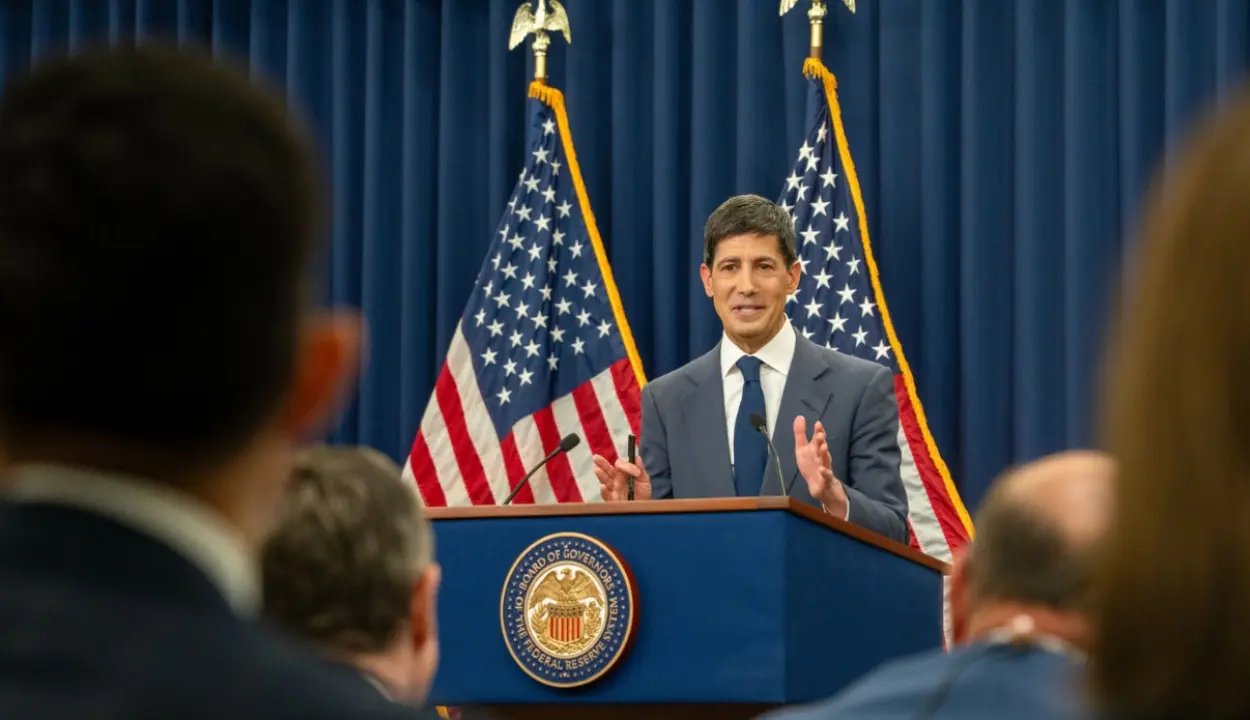
First FOMC meeting under Kevin Warsh’s baton
Since investors learned who will take control of the Federal Reserve, the key question was not whether we would see further rate cuts, but when they would happen and at what pace. Since then the situation has changed dramatically. Recent Fed minutes suggest that a rate hike before the end of the year is seriously being considered, which is consistent with current market valuations.
More and more banks are choosing to tighten hawkish communications – recently this included Norges Bank and the Reserve Bank of New Zealand, which, although it did not decide today to raise rates, clearly signaled to investors that such a move is likely in the near future. The significant strengthening of the New Zealand dollar (about 0.7% on the day) shows how sensitive markets are to communication changes.
This means that the upcoming first FOMC meeting under Kevin Warsh’s baton (June 17) is eagerly awaited by many. The type of communication Warsh will deliver and how influential he will be within the committee could lead to significant re‑pricing of interest rates.
In the days immediately preceding the meeting (June 11 and 16) we await decisions from the ECB and the BoJ – many indications point to both banks deciding to raise rates, which will set a uniquely interesting context for the Fed. Especially since U.S. inflation data have recently surprised upward, and the labor market situation, according to Fed analyses, has stabilized.
Let’s remember that tomorrow we will see the release of the delayed but Fed‑preferred PCE measure. This is likely the most important macroeconomic reading of the week.
Dollar, euro and zloty rates today
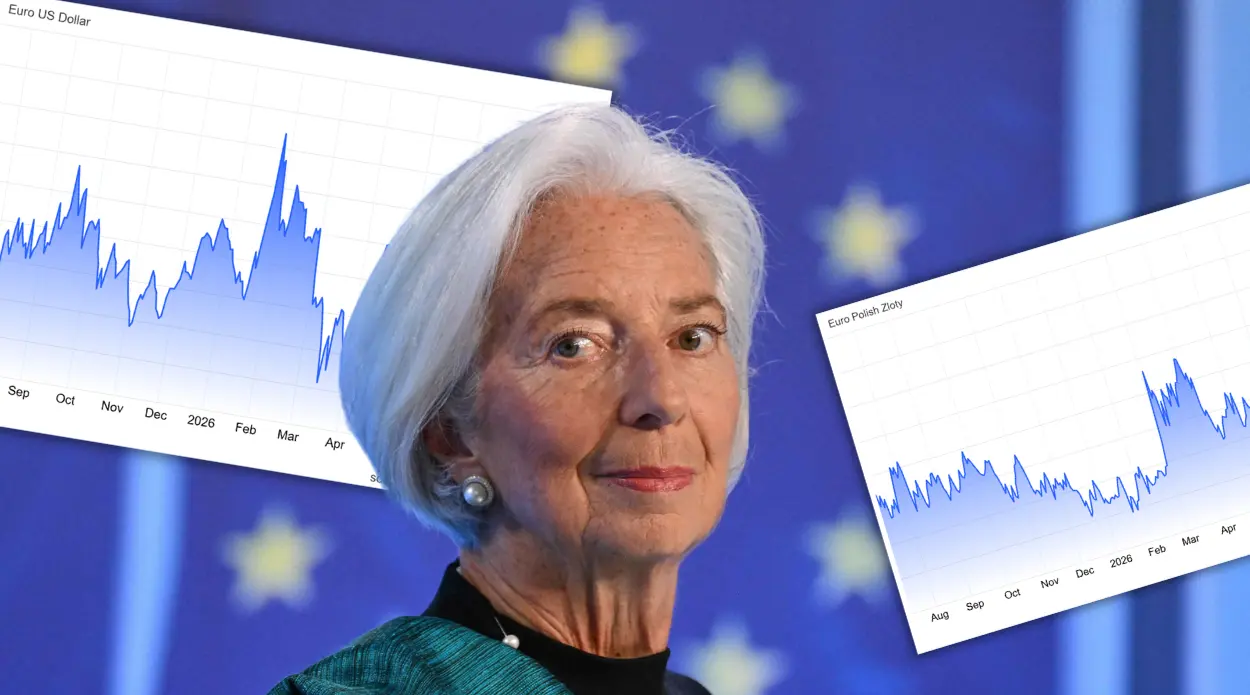
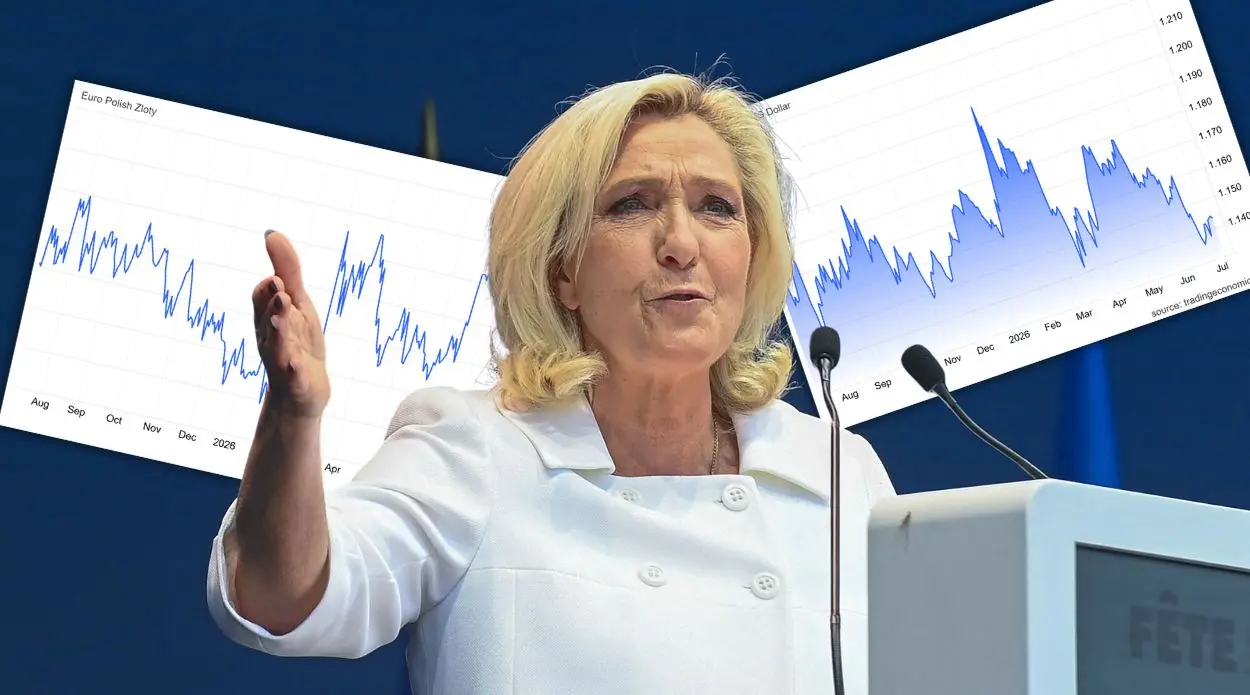
Awaiting data, the dollar is slightly weakening. The EURUSD rate is heading toward 1.165.
Just below 4.24 is the EURPLN. USDPLN oscillates around 3.64.