The stock market hates uncertainty, and the current situation in the Strait of Hormuz resembles a game between two chess masters who have driven each other into a corner.
Geopolitical cold shower – Washington‑Tehran tension remains high
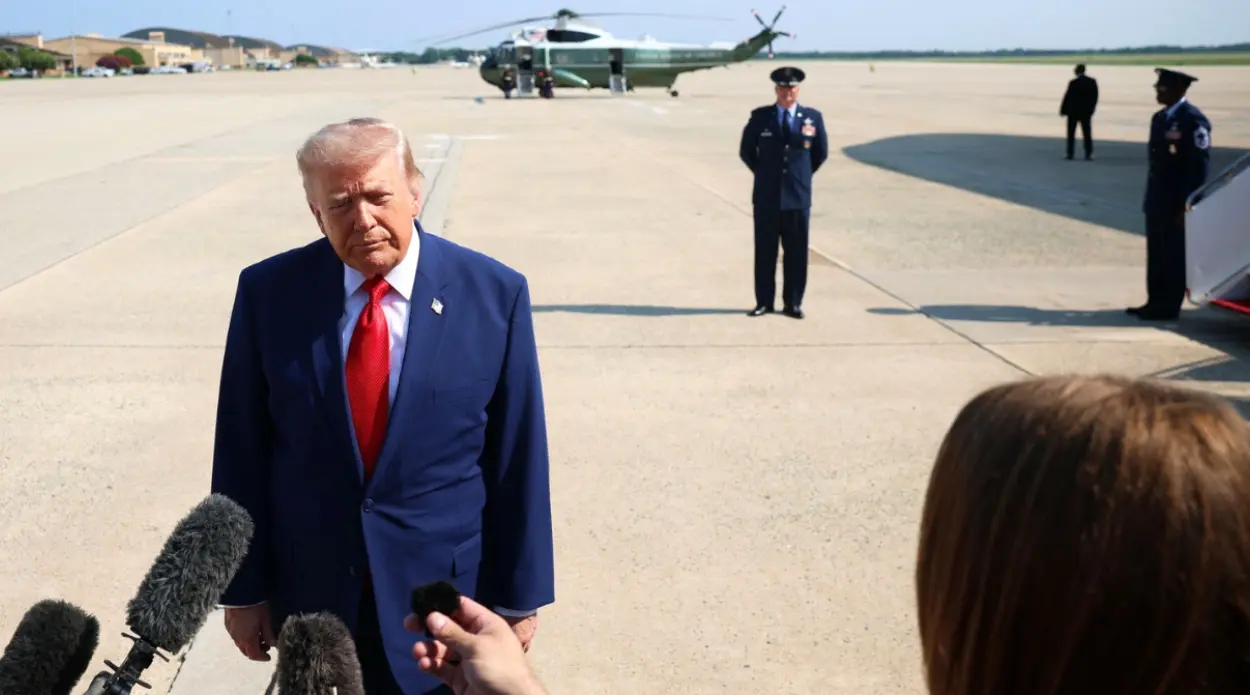
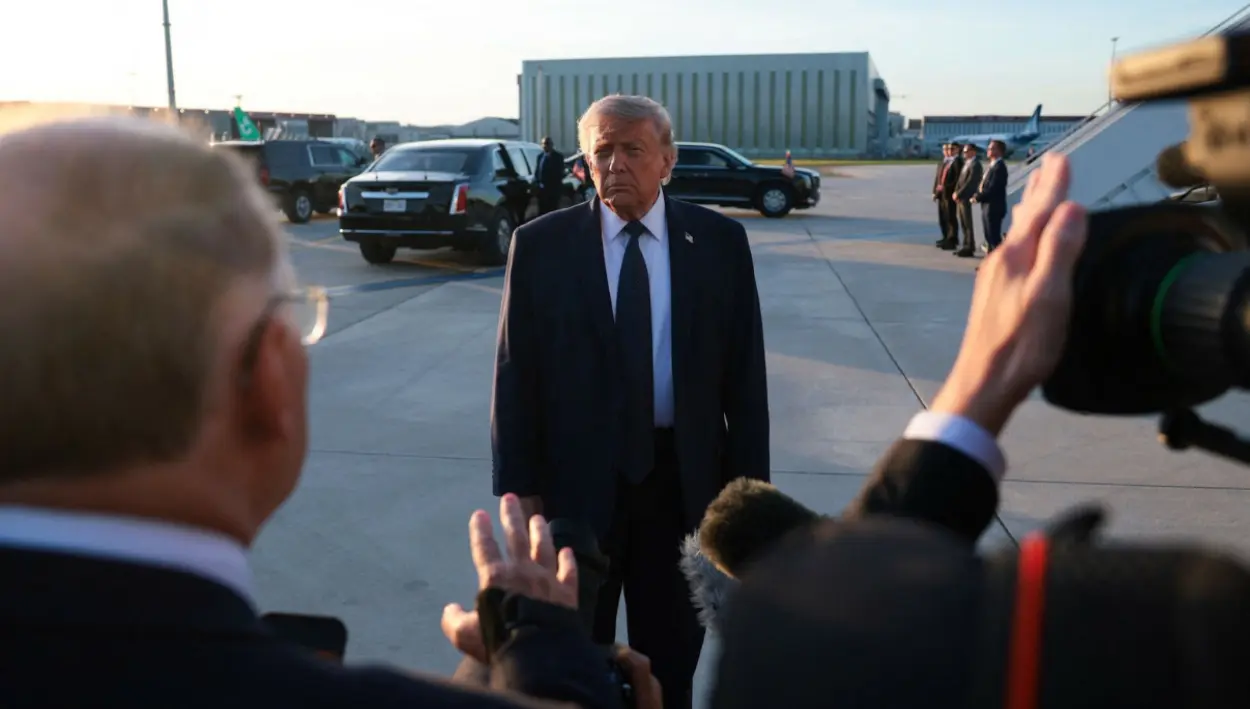
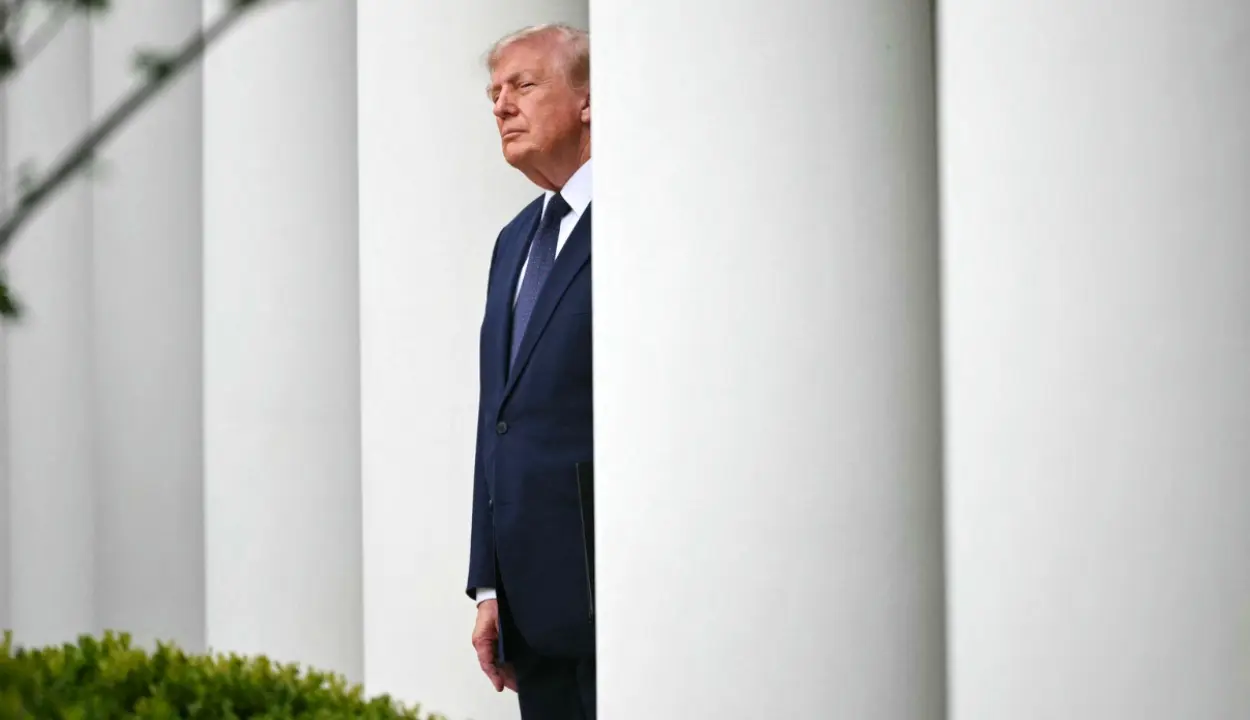
Even on Saturday, President Donald Trump insisted that the deal with Iran was "largely negotiated," sparking genuine optimism in markets. Shortly thereafter, the White House retracted those words, and Secretary of State Marco Rubio admitted that talks could take "a few days," cooling the mood of those hoping for an immediate ceasefire.
All this was further intensified by military actions. U.S. forces carried out an attack in southern Iran, targeting missile launchers and mine‑laying vessels. Rubio stated at a press conference that the Strait of Hormuz must remain open "no matter what." Tehran reacted sharply, and the Revolutionary Guards reserved the right to retaliation for violations of the ceasefire.
Moreover, the supreme leader Mojtaba Khamenei warned regional countries not to serve as a shield for U.S. bases. As if that weren’t enough, the Israeli army called on residents of the Lebanese city Nabatieh to evacuate before airstrikes.
GBP/USD rate – pound versus safe haven
In this geopolitical chaos, the British pound is coping with volatile fortunes. It is worth noting that global events also include domestic turmoil, such as the simmering chaos around Prime Minister Keir Starmer. After a Monday rally of 0.6% driven by hopes of unlocking trade in the Persian Gulf, Tuesday brought a painful correction.
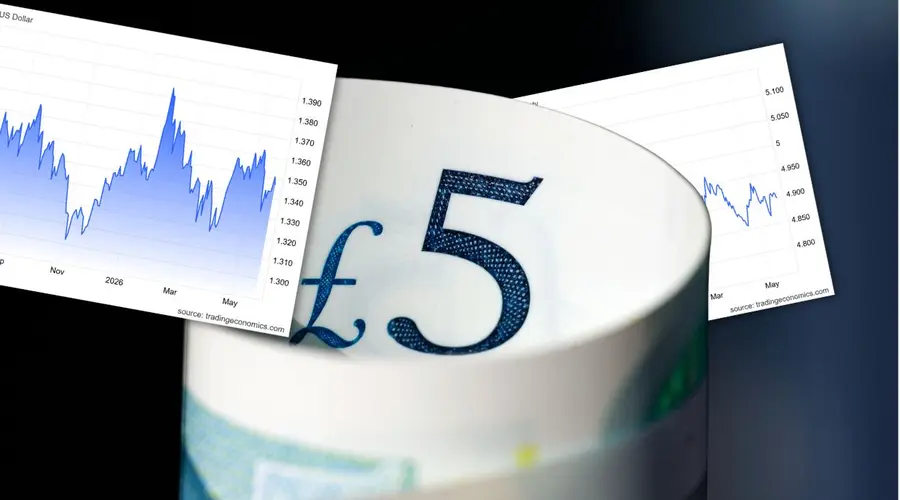
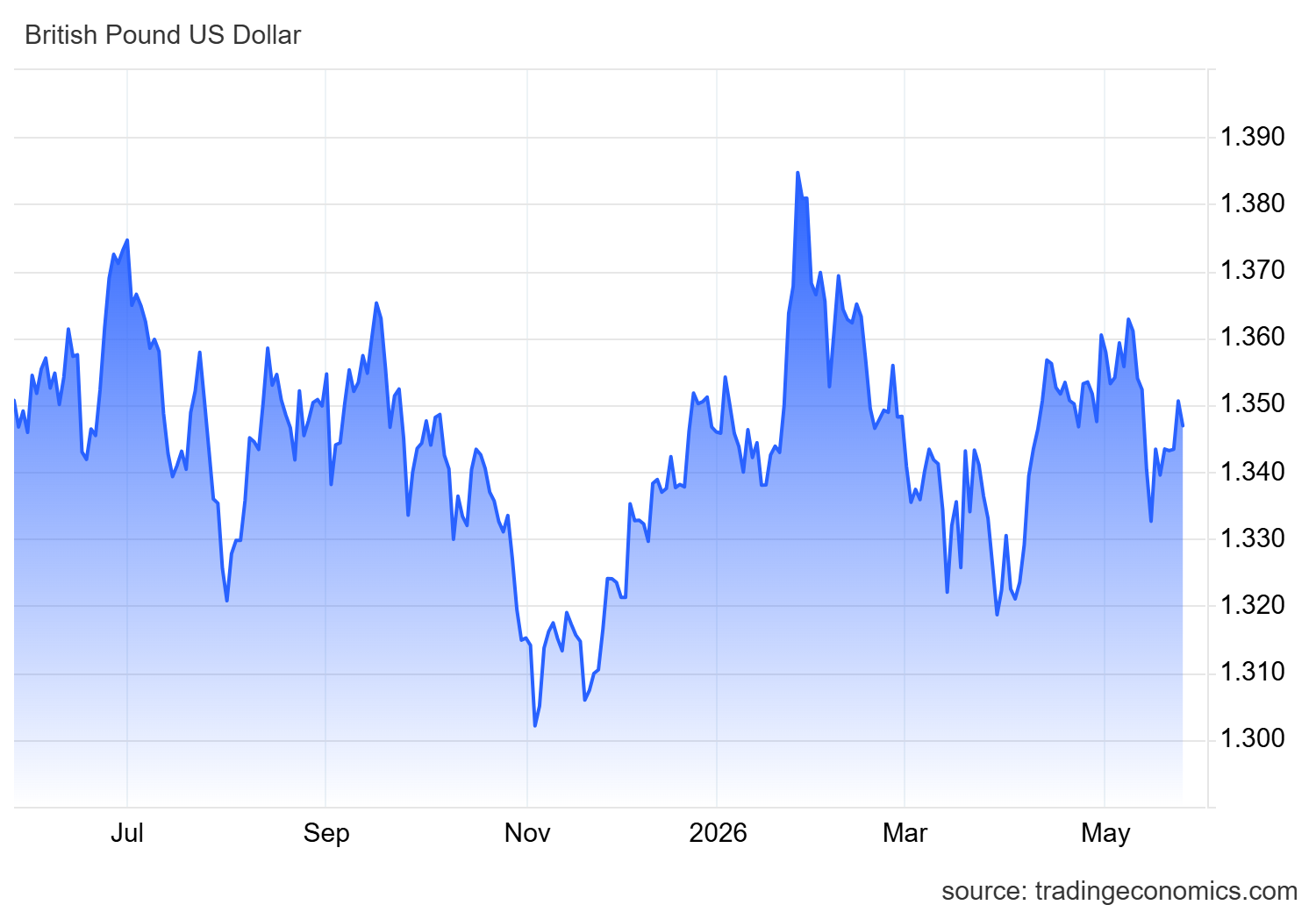
The currency pair GBP/USD fell 0.2% to 1.348. Traders and trading algorithms began mass buying the safe U.S. dollar, treated in crisis times as the ultimate refuge for capital. Looking long‑term, the pound’s rate against the USD has remained almost unchanged since the outbreak of war in Iran (February 27).
Chart. Pound to dollar rate (GBP/USD)
Source: Trading Economics
See also: Political shock will hit the currency market? "It may be prone to declines" – warns a well‑known bank
GBP/EUR rate, or relative strength on the old continent
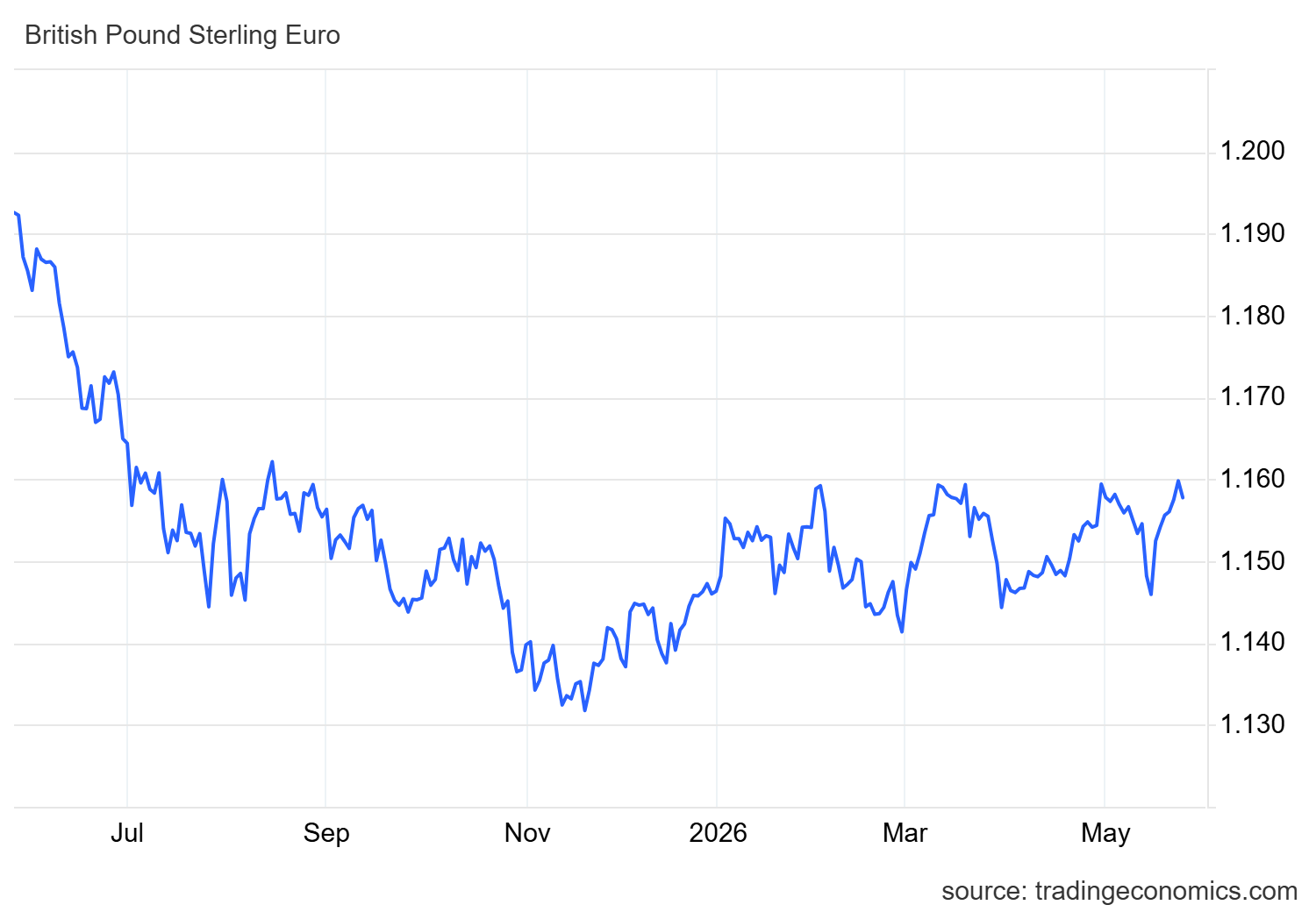
A slightly different scenario unfolds for the currency pair GBP/EUR, where the pound shows astonishing resilience. Although the euro gained a modest 0.2% on Tuesday, London has reasons to be satisfied. Since the start of the war, the pound has strengthened against the euro by over 1% and currently hovers around 1.15.
Central Europe is far more sensitive to energy shocks caused by the paralysis of oil and LNG gas supplies. The British economy appears to investors as minimally less threatened by a direct fuel crisis than the eurozone.
Chart. Pound to euro rate (GBP/EUR).
Source: Trading Economics
See also: Polish zloty under market pressure. Euro, dollar and pound rates before a major test
Is the zloty being shot with a shotgun?
The Middle Eastern spat also spares emerging markets, including the Polish zloty. The GBP/PLN rate currently hovers around 4.89. When global markets shift to risk‑avoidance mode, investors withdraw their funds from currencies like PLN and move them to safe havens.
As a result, although the pound loses its leading position relative to the powerful USD, it can still maintain its value and even occasionally gain against the zloty. For Polish importers and market players trading on foreign exchanges, this is a clear signal that as long as diplomacy loses to rockets, there is no reason to expect cheap currencies. The "quick fix" unfortunately turned out to be a market illusion, and investors must prepare for a longer battle and market unrest.
Chart. Pound to zloty rate (GBP/PLN).

Source: Trading Economics.
See also: What next for the euro and British pound rates? Upcoming weeks may change the balance of power between EUR/USD and GBP/USD
Source: Reuters.