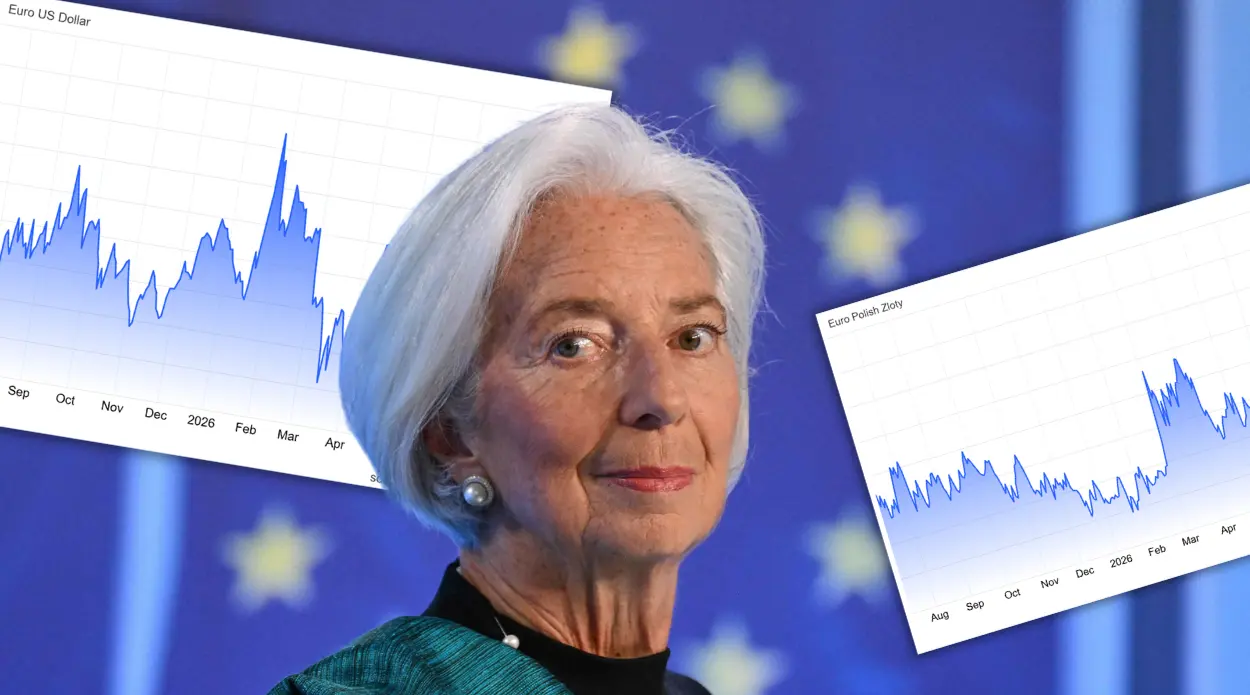
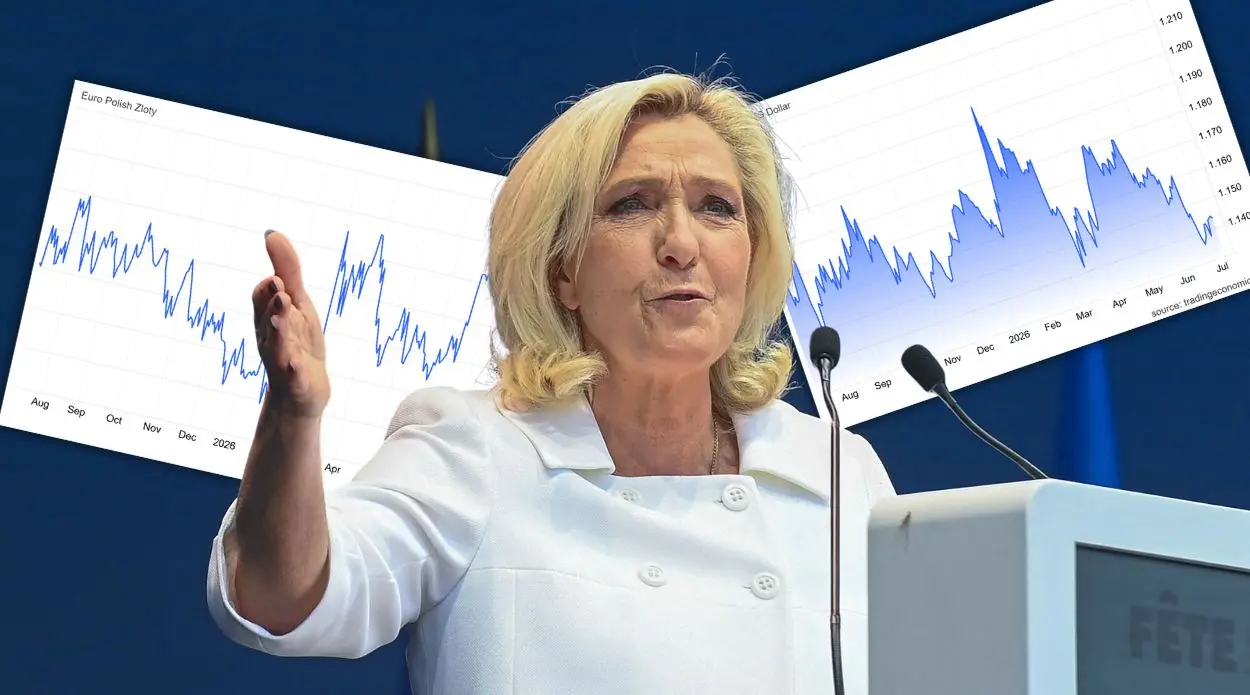
D. Trump said he had postponed resuming attacks on Iran for 2‑3 days or until the beginning of next week. The EURPLN rate opens today near yesterday's close of about 4.25 with minor fluctuations, and we expect this situation to persist in today's session, with a risk of a slightly weaker zloty if the Middle East situation escalates further.
The EURUSD rate, after a strong strengthening, starts the session at about 1.16 and has a chance for further decline. Domestic economic data should have limited impact on the local market. Market participants will focus on the final HICP reading from the eurozone and the protocol from the last Fed meeting.
Today Nvidia will also publish Q1 results. Bond market investors will prepare for Thursday's auction, and yields may rise slightly against the rise in Bund yields since yesterday's close, which broke key resistance levels. A limiting factor could be a slight drop in oil prices to about $110.
The EURPLN rate gradually rose from about 4.24 above 4.25
Due to the lack of significant macroeconomic releases in yesterday's calendar, markets were influenced by geopolitical conditions while awaiting domestic data later in the week. Stock indices fell by 1.6% in the case of WIG20.
The foreign‑exchange market saw a weakening of the zloty.
The EURPLN rate gradually rose from about 4.24 above 4.25. Similarly, regional currencies also lost value, and changes in other emerging market currencies were varied.
The weakening of regional currencies was aided by the strengthening of the dollar in global markets. In the domestic interest‑rate market, there were minor changes.
After a significant rise recently, yesterday IRS rates marginally fell by 1‑3 basis points on the short end of the curve, while long IRS rates rose by another 1‑3 basis points.
The Ministry of Finance announced that it will offer for sale on May 21 bonds with a total value of 6‑10 billion PLN (instead of the previously announced 7‑13 billion PLN) in the series: OK0129, NZ0331, PS0731, DS1034, DS0436 and NZ0936.
BGK stated in its prospectus that its borrowing needs in 2027 will rise from 100.0 billion PLN in 2026 to 144.8 billion PLN in 2027 and 105.2 billion PLN in 2028. The share of bonds in financing borrowing needs will increase from 36% (35.7 billion PLN) in 2026 to 59% (85.9 billion PLN) in 2027 and 63% (65.8 billion PLN) in 2028.
Putin went on a visit to China
European indices did not change significantly, but the green color dominated. Contracts on U.S. indices fell from minor declines as the session began on the U.S. equity market. With an empty macroeconomic release calendar, political risk remains quite high.
W. Putin went on a visit to China, will review the details of U.S.–China talks, and will try to persuade the construction of the Siberia II gas pipeline, whose fate is in doubt given reports that China would expect unacceptably low energy carrier prices.
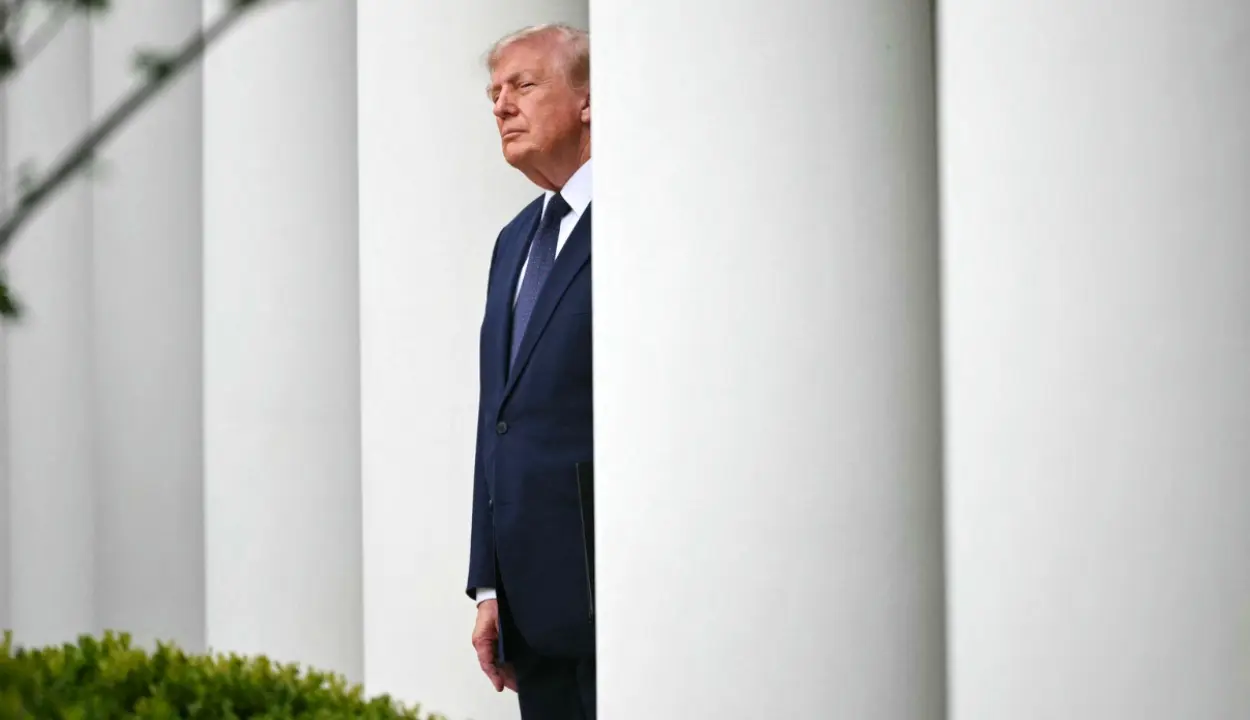
In the event of Middle East developments, on Monday U.S. President D. Trump announced that he had last minute postponed the planned attack on Iran and assured that there is a very high chance of reaching an agreement with Tehran. D. Trump added yesterday that the attack was paused for a "short moment" if it does not proceed.
However, the latest Iranian proposal sent to the U.S. contains no new elements and does not indicate compromise steps. The Iranian army announced it would open new fronts if the U.S. attacks again. President D. Trump said the United States may be forced to strike Iran again and that it may give him time until the beginning of next week to reach an agreement.
Meanwhile Bloomberg reported that NATO is considering the possibility of assisting ships to pass through the blocked Strait of Hormuz if the waterway is not reopened by early July. NATO leaders will meet in Ankara on July 7‑8. Russian nuclear forces announced exercises on May 19‑22.
EUR/USD fell again to about 1.16
On Monday, similar exercises were announced by Belarus. Oil prices rose slightly to about $111 from about $109. The overall geopolitical picture translated into increased inflation fears and rising yields on base markets.
The German curve shifted up by about 5 basis points. The yield on 10‑year German bonds rose to about 3.20%. U.S. bond yields also rose by about 6‑8 basis points, including 10‑year yields to about 4.65%.
The upward move is consistent with the trend we assumed for this week. In the foreign‑exchange markets, there was initially a slight easing of the euro against the dollar, but later in the day the EURUSD rate fell again to about 1.16.
According to the Eurostat economic clock, the eurozone economy is in a slowdown phase as a result of the geopolitical crisis, with greater risk for growth and inflation. In the next session, the Japanese yen weakened, while the pound gained.