The zloty fights the euro and dollar. EUR/PLN is wobbling from a key level
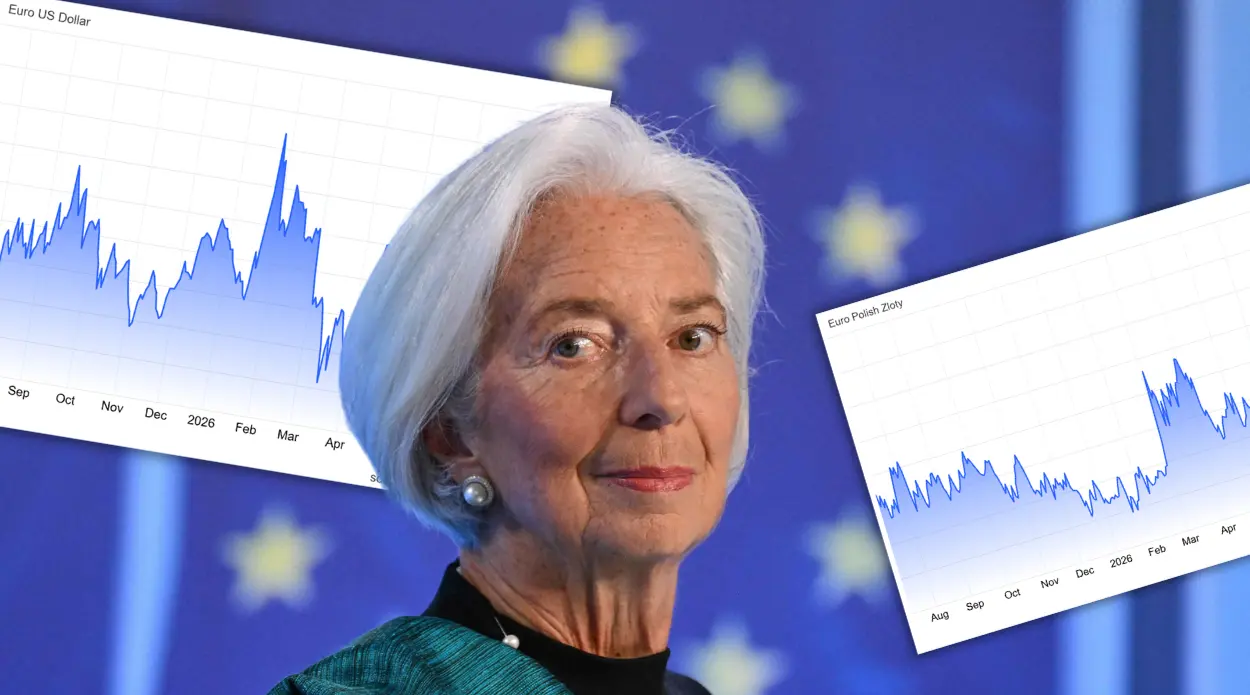
A lower-than-consensus HICP inflation in the eurozone for June slightly lowered the FRA contracts’ projected ECB rate path, consequently weakening the euro and indirectly contributing to a clear pullback of the EURPLN rate relative to the daily high (about 4.3050).
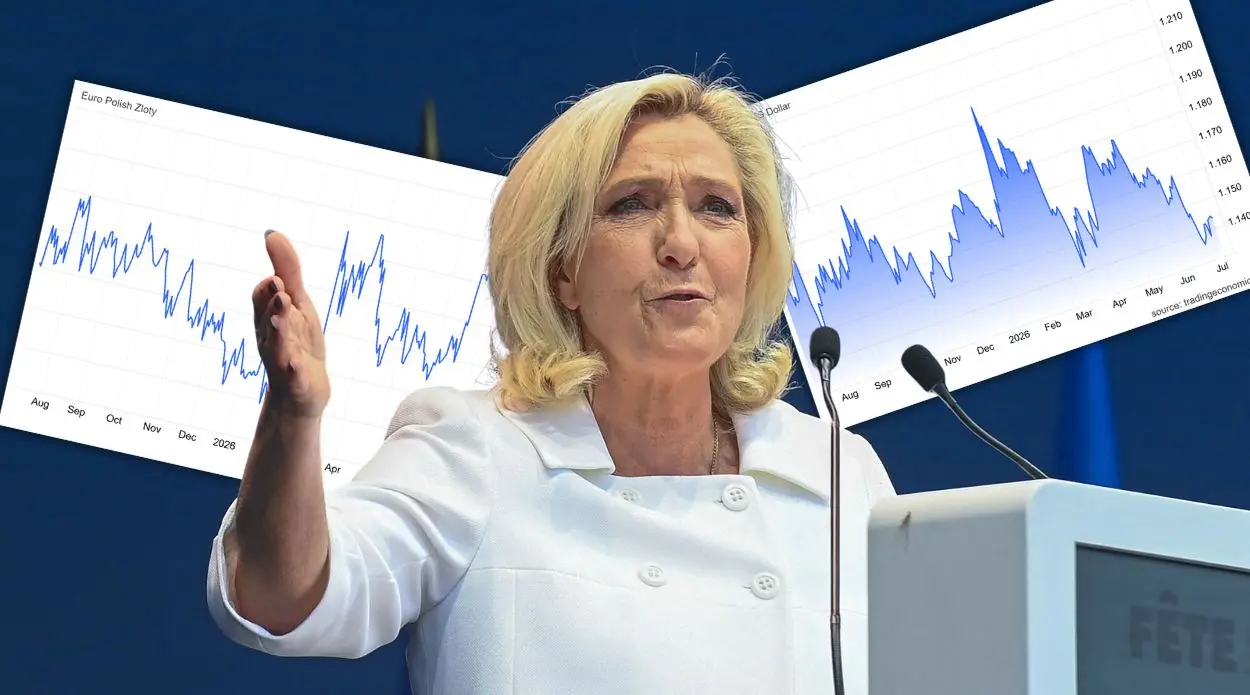
In the EURUSD market the same factor applied pressure on the rate, but attempts to continue the downward trend were unconvincing. It is worth noting that in the morning hours, right after a weaker-than-expected PMI reading for Polish industry, the EURPLN tested the upper bound of the medium‑term sideways trend we have repeatedly indicated, around 4.3050.
The reversal from those levels, supported by the expected small retreat of the market from the current stage of ECB rate hikes, appears to be at least a short‑term turning point. In the case of USDPLN, attempts to continue the short‑term uptrend did not succeed, and the highs from late June were not even seriously tested because there was a lack of support for the dollar from mixed US macro data.
Euro rate – forecast for the coming days
On Thursday investors will focus on the monthly US labor market data, analyzed through the lens of expectations for the Fed’s rate path, which may indirectly affect the dollar.
Data above consensus, which we expect, could strengthen the USD via the indicated channel and push the USDPLN rate closer to 3.80.
In the case of EURPLN we assume that at least in the short term the upside potential has been exhausted or is close to exhaustion, and the nearest support levels are around 4.28, with the next slightly below 4.27.

On the domestic interest rate market, on Wednesday there was a drop in bond yields. During the session, Polish securities were supported by further declines in oil prices and a stronger-than-expected drop in eurozone inflation, including core inflation.
We see potential for further declines in Polish bond yields in both the short and long term. In the 3q26 outlook we expect 2‑year Polish yields to fall to 3.95%, 5‑year yields to 4.55%, and 10‑year yields to 5.10%, mainly due to globally falling inflation expectations. We anticipate a systematic flattening of the yield curve and the maintenance of 10‑year asset‑swap spreads close to 100 basis points.
The focus of investors during Thursday’s session will be the US labor market data. This time the release could be particularly significant for the markets. Since early June the probability of US rate hikes has risen significantly.
Currently the market fully prices a 25‑basis‑point hike, to a range of 3.75–4.00% in 2026, plus about half of the next move. It is also noteworthy that recent oil price declines have not been significant from the Fed’s expected monetary policy perspective.
Even slightly stronger-than-consensus data may not have a significant impact on US bond prices. However, if the US labor market were to surprise economists negatively, markets might pay more attention to globally falling inflation expectations and start withdrawing from bets on rate hikes. Such a development would also align with our medium‑term scenario for the 3q26 horizon.