The current market situation is a classic example of how geopolitics can successfully override analysts’ plans.
Trump’s Effect and the Ever‑Unsettled Middle East
Despite weekend turbulence in the Middle East, investors remain hopeful for a quick and lasting ceasefire between Iran and the United States.
Both Washington and Tehran have already shown what they are capable of and that each side wants to control the Strait of Hormuz. The response to the shelling of two Indian ships was the weekend boarding of the Iranian cargo ship Touska.
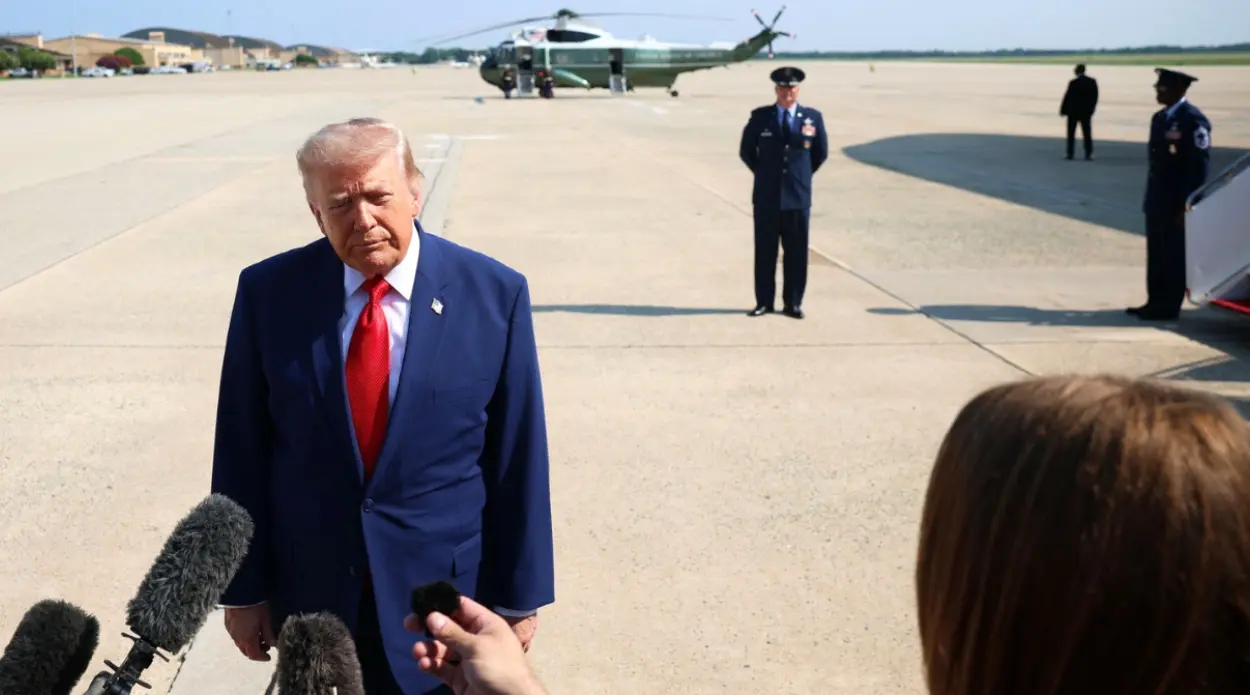
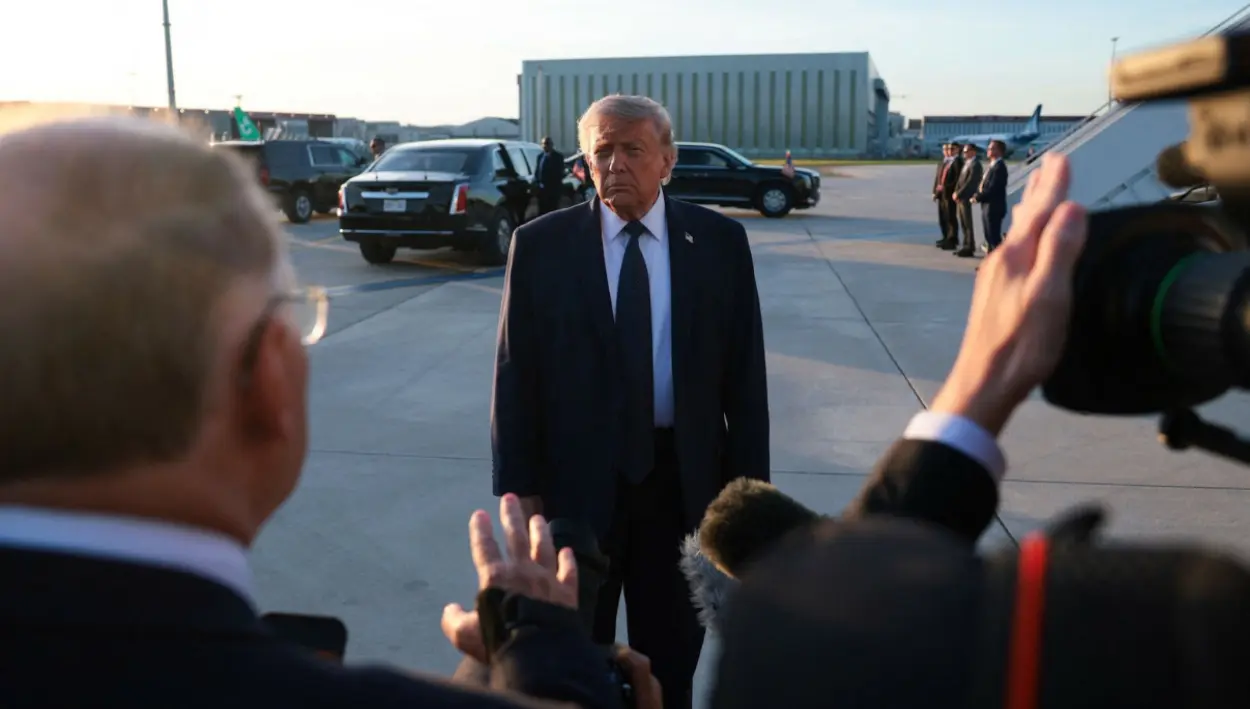
The prolonged war is not in the United States’ favor, and Donald Trump is aware of the upcoming midterm elections and the complex promises that the current war in Iran will not be another Afghanistan.
The main fuel for the European currency will not be another battle in the Middle East, but the actions of the European Central Bank.
“We expect a 25 basis‑point rate hike by the European Central Bank in April and predict that the Fed will resist the temptation to raise rates and will be able to cut rates twice more this year,” analysts at ING Think said.
This scenario creates a powerful magnet for capital. Higher rates in the eurozone mean better real yields and more willing investors. This, in turn, provides a strong basis for forecasting the EUR/USD rate at 1.20 over the next 12 months.
The current rate is 1,17 USD.
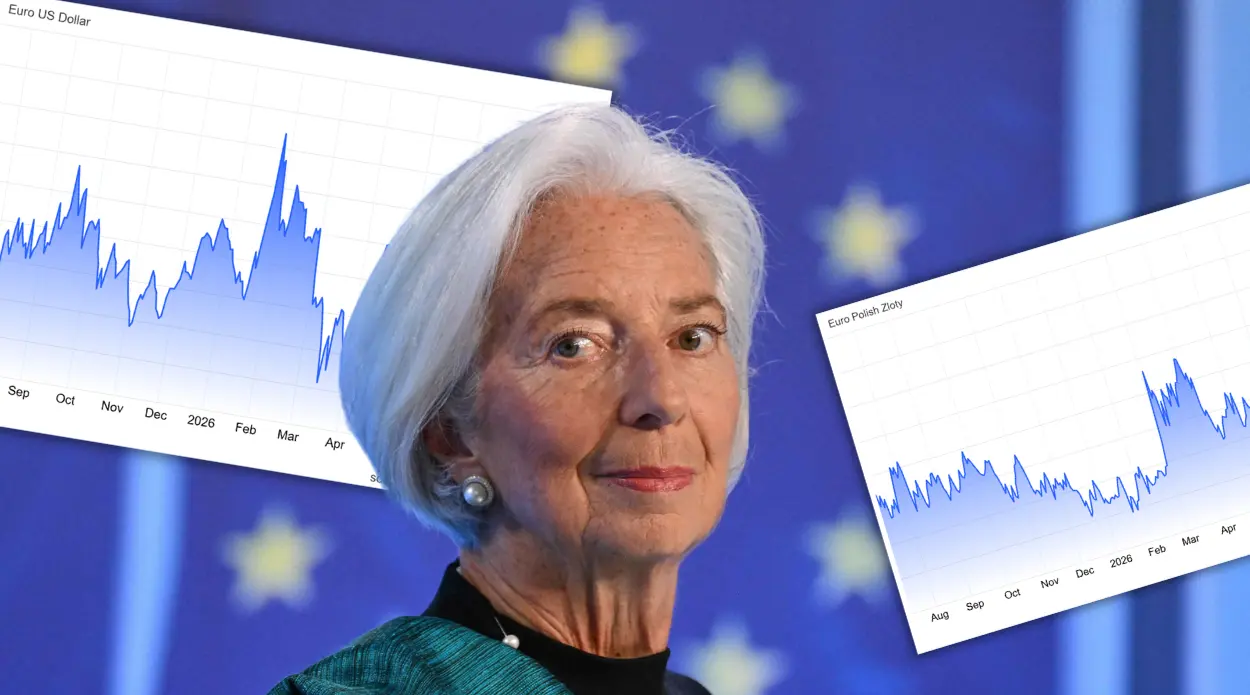
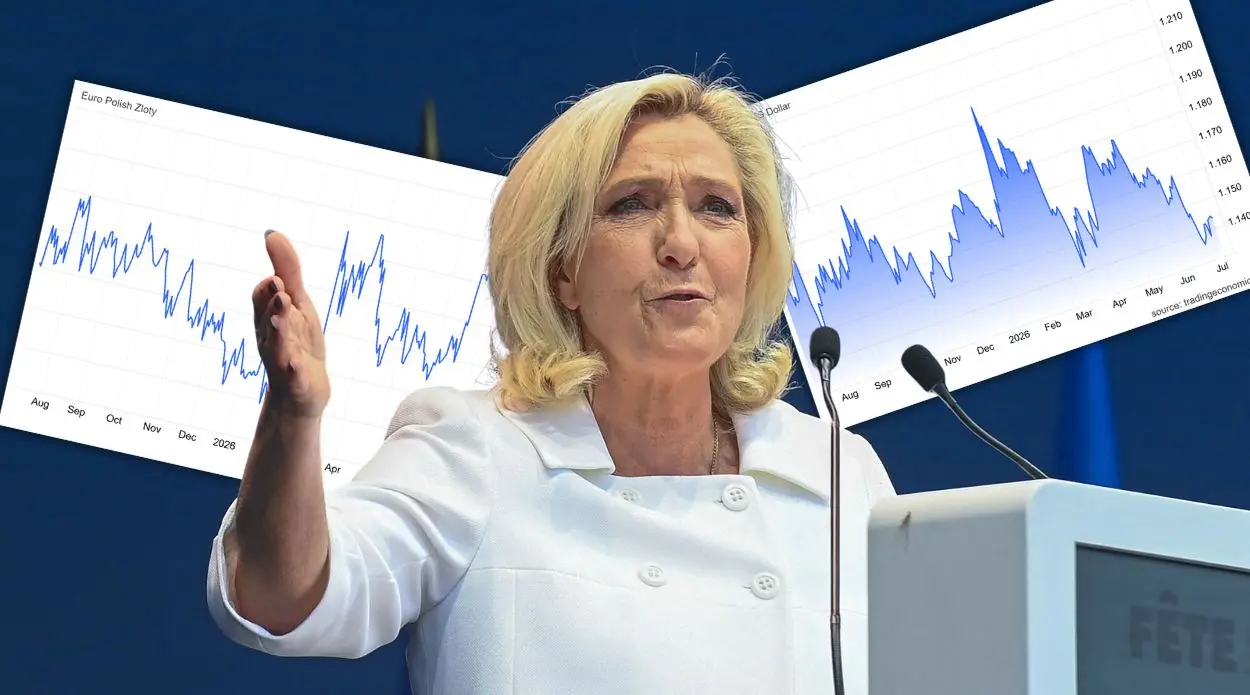
Chart. Euro to dollar (EUR/USD)

Source: Trading Economics
See also: Will the dollar rate return to 4 PLN? The land invasion of Iran still poses a threat. Expert: “Unlikely, but still potentially possible.”
Euro rate – what next? Zloty gains after the post‑election shake‑up in Hungary
The Polish zloty showed in April a character, wiping out most of March’s losses.
The euro to zloty rate, which recently reached around 4.30, has returned to a safe level of 4.24 PLN.
As ING Think experts point out, the Polish currency was supported by two geopolitical events in the region:
“Hungarian parliamentary election results, which herald a new dynamic in the region, and progress in peace talks between Russia and Ukraine after the Easter ceasefire.”
The Polish economy is growing faster than the rest of the region, and the announced stream of funds from Brussels creates an optimistic outlook for the remaining quarters of 2026.
According to experts, the rate will reach 4,25 PLN in a 12‑month perspective.
Chart. Euro to zloty (EUR/PLN)

Source: Trading Economics
See also: Will the euro rate collapse through Iran? “Risk seems more inclined towards declines” – says a well‑known bank.
Technological Arms Race and the Specter of De‑Dollarisation
Current geopolitical events make the term de‑dollarisation increasingly visible in headlines. Iran, during its six‑week‑old war, has repeatedly mentioned the possibility of charging fees in Chinese yuan, or even bitcoin.
The specter of abandoning the USD is, however, at the moment only a clickbait move.
Behind the scenes, an ongoing arms race continues, especially in the field of artificial intelligence.
Both China and the USA want to prove that it is the sector they dominate. Although the USA’s technological advantage remains strong, the global network of connections is becoming clearly multipolar, especially when we look at the chip and semiconductor market.
See also: Dollar rate before the “nervous and dynamic” move, euro waiting for a decline? Expert issued a forecast for USD/PLN and EUR/USD