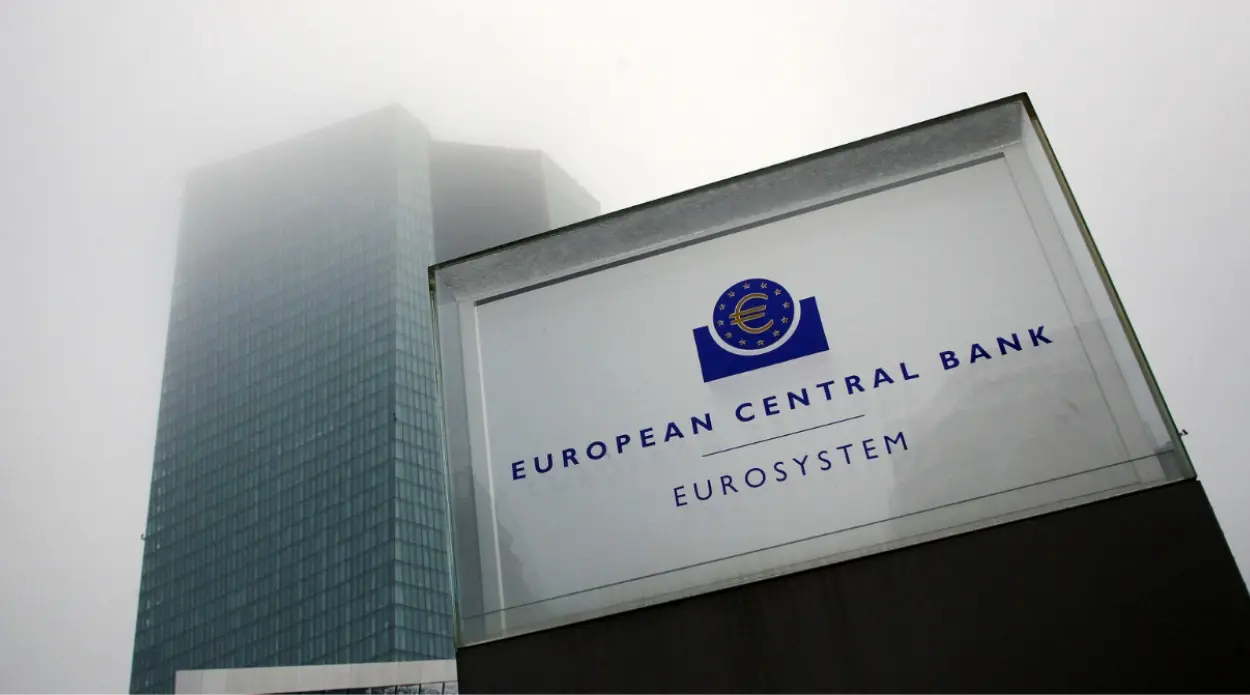
On Thursday, all eyes will be on the European Central Bank.
Thursday's ECB stalemate. Inflation, the energy crisis, and the fire in the Middle East
The market expects the ECB to keep interest rates unchanged, but the stability is only apparent. In reality, it is the calm before the storm triggered by a mix of geopolitical risk and economic suffocation.
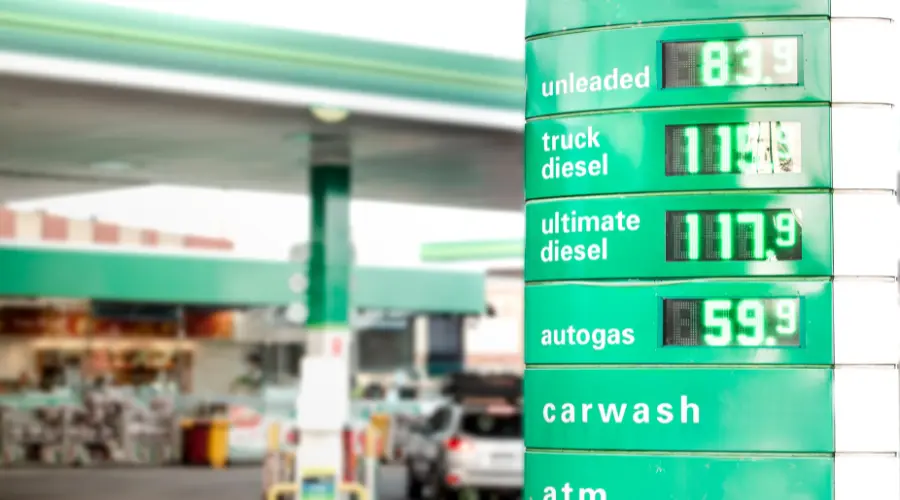
The war in the Middle East and soaring energy prices have dramatically worsened investment prospects. Trust from both business and consumers evaporated at an express pace, causing economic activity to visibly weaken.
April PMI data shows the brutal truth. Growth dynamics have practically stalled. Worse, price pressure in distribution channels is intensifying, though the labor market still shows surprising resilience.
The Board of Directors already assesses inflation risks as upwardly biased.
“In our baseline scenario we assume that only a sudden and full opening of the Strait of Hormuz could convince the ECB to ignore this shock,” analysts from UniCredit said.
“If, however, the energy markets only start normalizing in the summer, inflation in the second half of 2026 will average about 3.5%, returning to the 2% target only in the second half of 2027. Assuming the economy does not experience a hard landing, rate hikes later in the year seem more likely than their absence,” they added.
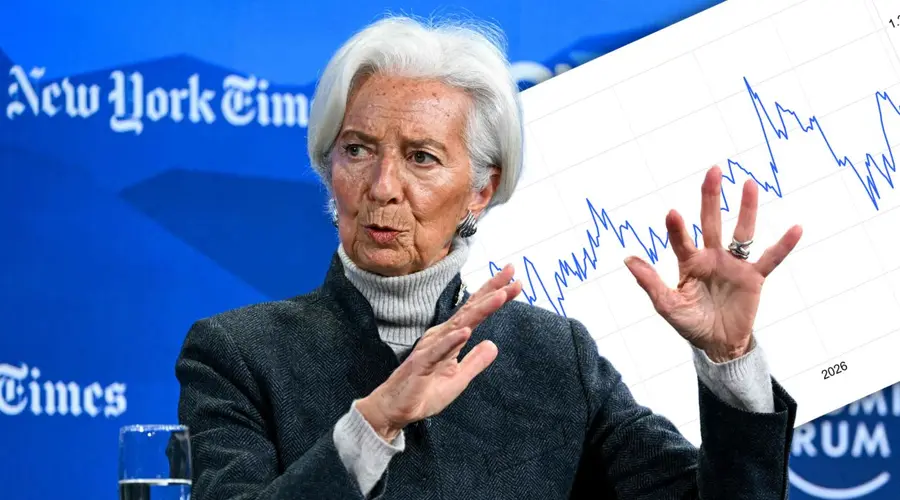
Christine Lagarde stated at the March “The ECB and Its Watchers” conference that leaving a large, though temporary, inflation space uncut would be a communication mistake.
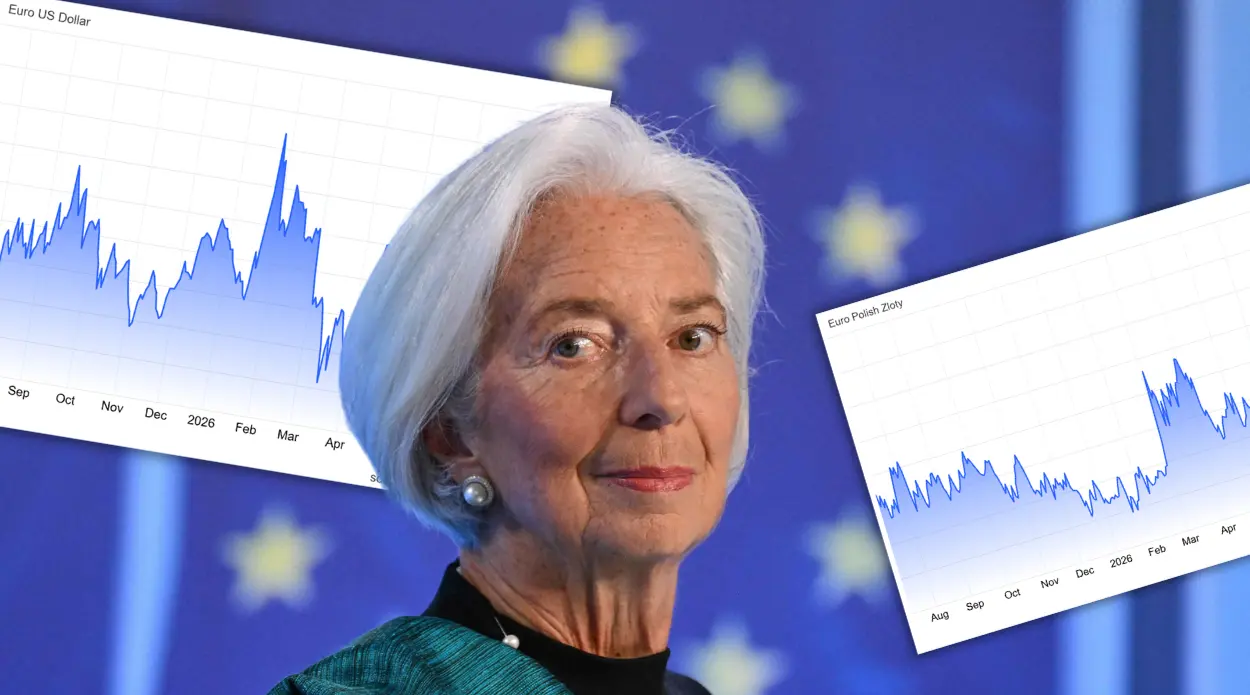
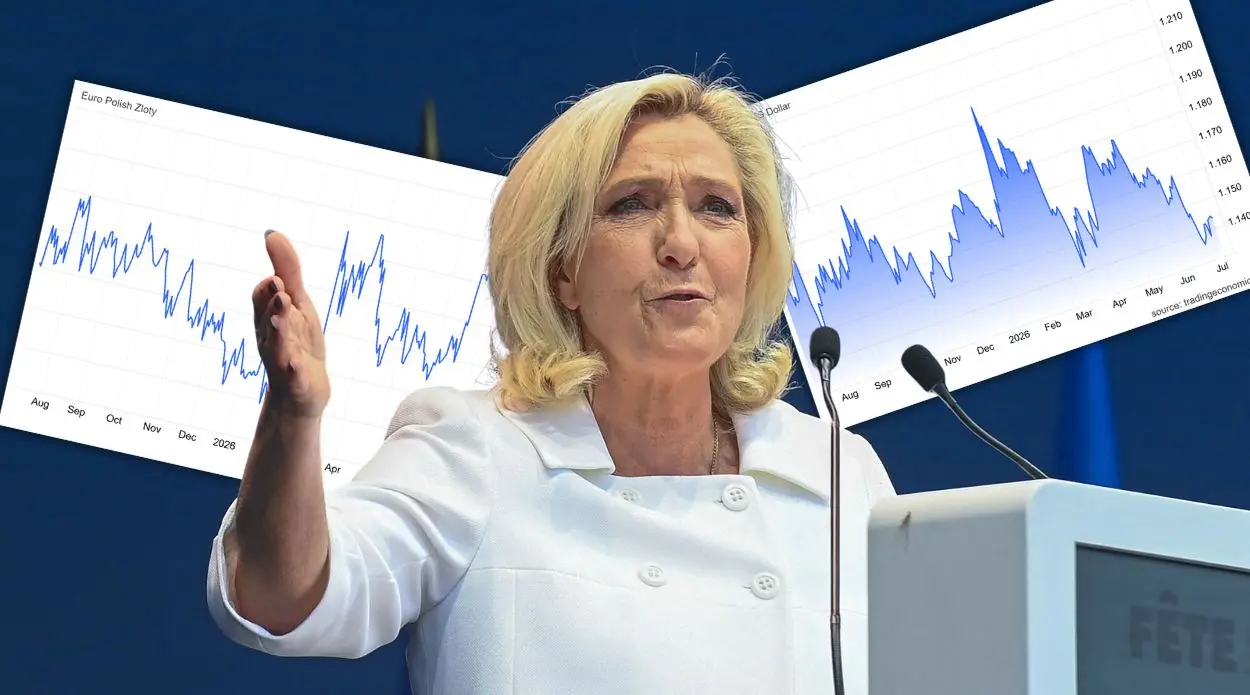
Currently, the EUR/USD pair resembles a loop; the rate oscillates around the level 1,17, reacting more strongly to geopolitical factors than to the rate differences themselves.
Chart. Euro to dollar (EUR/USD)

Source: Trading Economics.
Read also: Will the dollar surprise again? The expert issued a forecast for USD/PLN and EUR/USD. “It’s hard to believe there will be no more fires.”
See also: The dollar on a long road to 4 PLN? The expert issued forecasts for USD/PLN and EUR/USD. “The dollar could gain.”
Euro’s dance with geopolitics
The next calm ECB meeting is unlikely to trigger a spectacular explosion on the EUR/USD pair.
Futures contracts have almost entirely erased expectations of a rate hike at this particular meeting. Christine Lagarde implied that she needs more hard data to reliably assess the impact of rising energy on European portfolios.
Interestingly, a stronger EUR could be a convenient, though indirect, tool for her to fight imported inflation. Nevertheless, the ECB chief traditionally avoids specifying exact currency targets.
“In our baseline scenario we expect the ECB to raise the deposit rate twice this year (in June and September), compared with one Fed rate cut in December, while forward rates currently indicate that the Fed will keep rates unchanged this year,” analysts at UniCredit said.
“Smaller interest rate differentials could again push the EUR/USD higher, likely even toward the year‑to‑date peak at 1,2078, but not before the current risk premium caused by the war fully expires,” they added.
In the shadow of global dollar‑euro battles, the Polish zloty tries to maintain its position, though it is not an easy task.
The EUR/PLN rate currently oscillates around 4,25 PLN, reflecting the relative strength of our currency against the region.
However, this does not change the fact that PLN, as an emerging market currency, is a classic barometer of geopolitical sentiment. If the Thursday ECB statement is more hawkish, PLN could gain from the EUR/USD strengthening wave.
Chart. Euro to zloty (EUR/PLN)

Source: Trading Economics
See also: Euro will soon surprise? The expert says what will happen to EUR/PLN and EUR/USD